

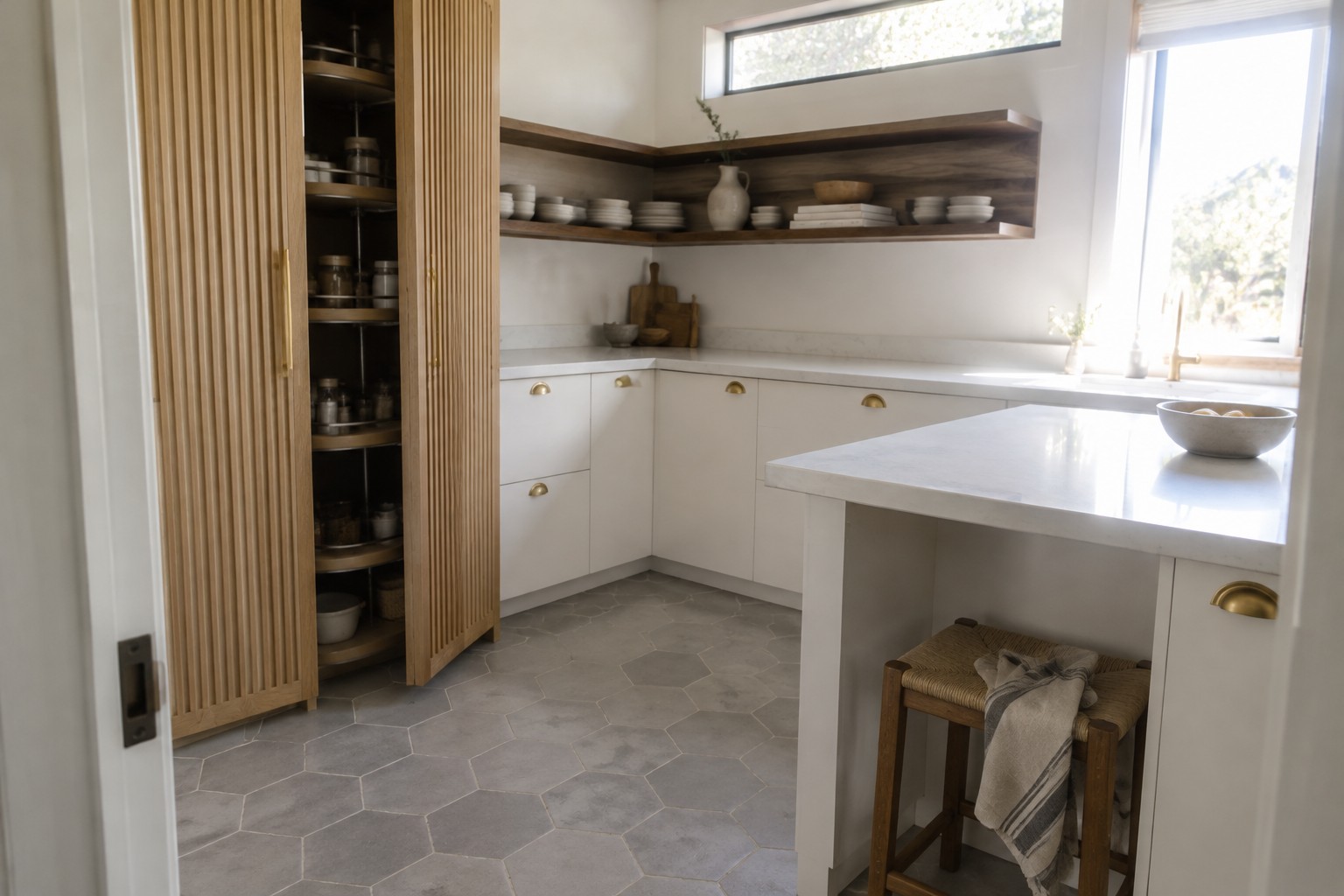
Corner cabinets can be awkward to reach, and when they do not have a clear purpose, they often collect things that belong somewhere else.
In a real kitchen, I find that storage works best when it keeps everyday items within reach without making the counters feel crowded.
The right shelves, pullouts, or doors can make use of a forgotten corner while keeping the room’s layout easy to move through.
Small choices matter, too, since a cabinet that opens smoothly and fits what you actually use can make the whole kitchen feel more settled.
I’d start with the ideas that suit your cabinet’s shape and your daily routine, then adapt the details to keep clutter off the counters.
Use a Corner Cabinet for Everyday Storage
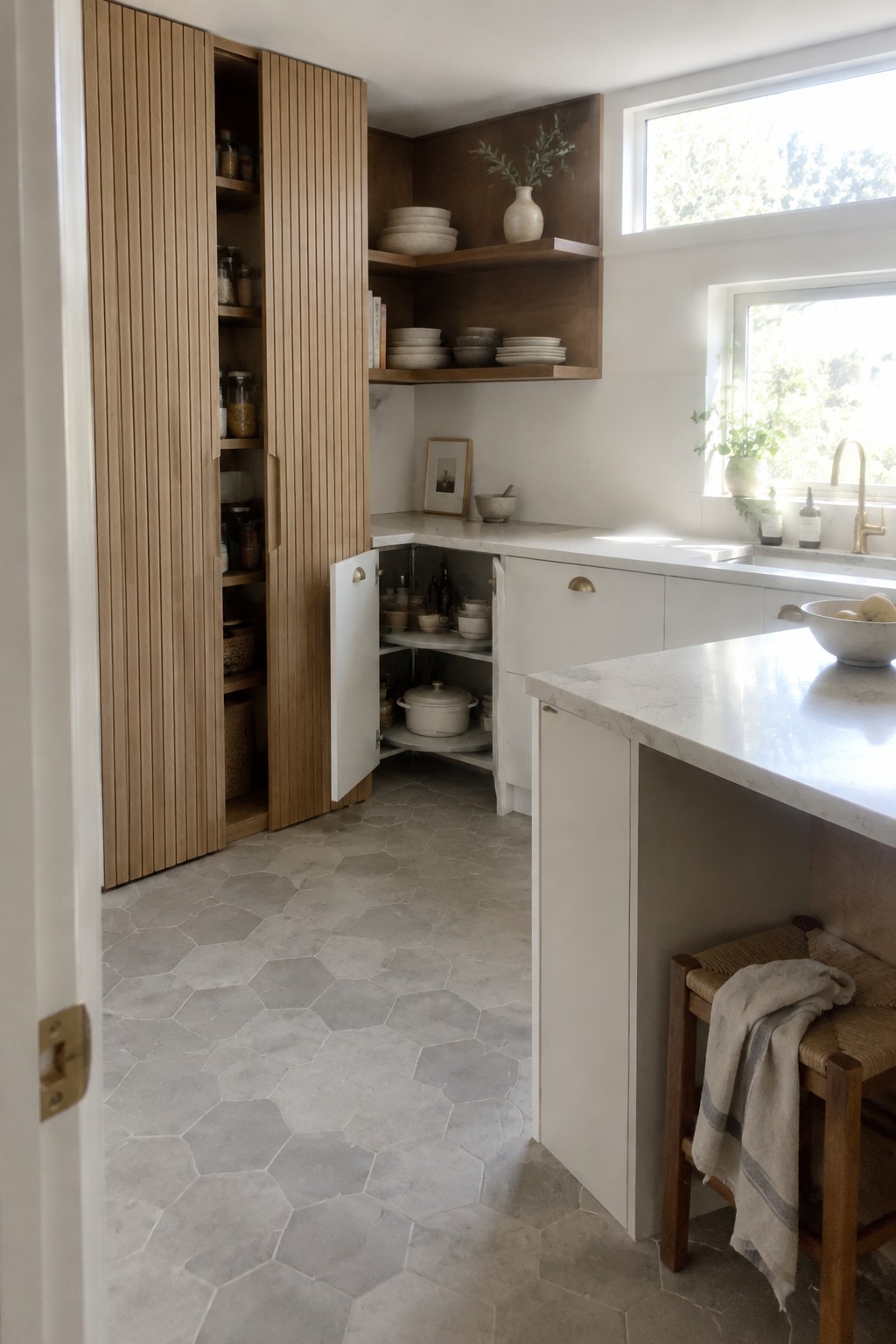
A corner cabinet can hold the things you use often without taking up valuable counter space. In this kitchen, the lower cabinet opens to shelves that make the tucked-away corner easier to use.
This idea works well where two runs of cabinets meet, especially in a smaller kitchen. Keep everyday dishes or cookware inside, and choose shelves or a rotating insert that lets you reach items at the back.
Use Deep Corner Cabinets for Hidden Storage
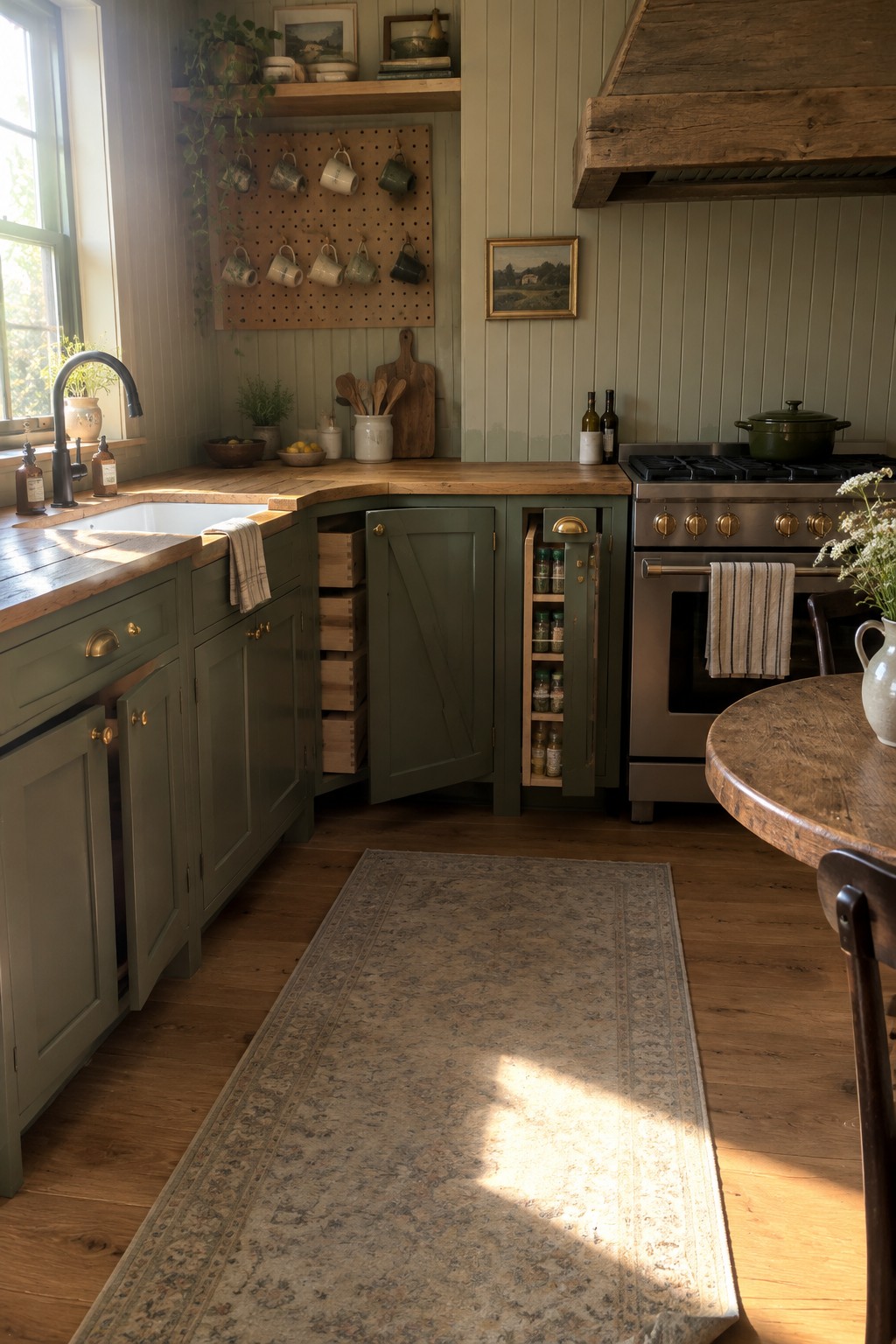
A deep corner cabinet can hold more than a standard cabinet, but items often get lost at the back. Pull-out drawers make that space easier to use and help keep counters clear. It’s a practical option for kitchens where every bit of storage counts.
Use drawers that slide fully out so you can reach what’s inside without moving everything in front. In this kitchen, the corner drawers sit beneath the countertop, alongside a narrow pull-out cabinet.
Use an Appliance Garage To Keep Counters Clear
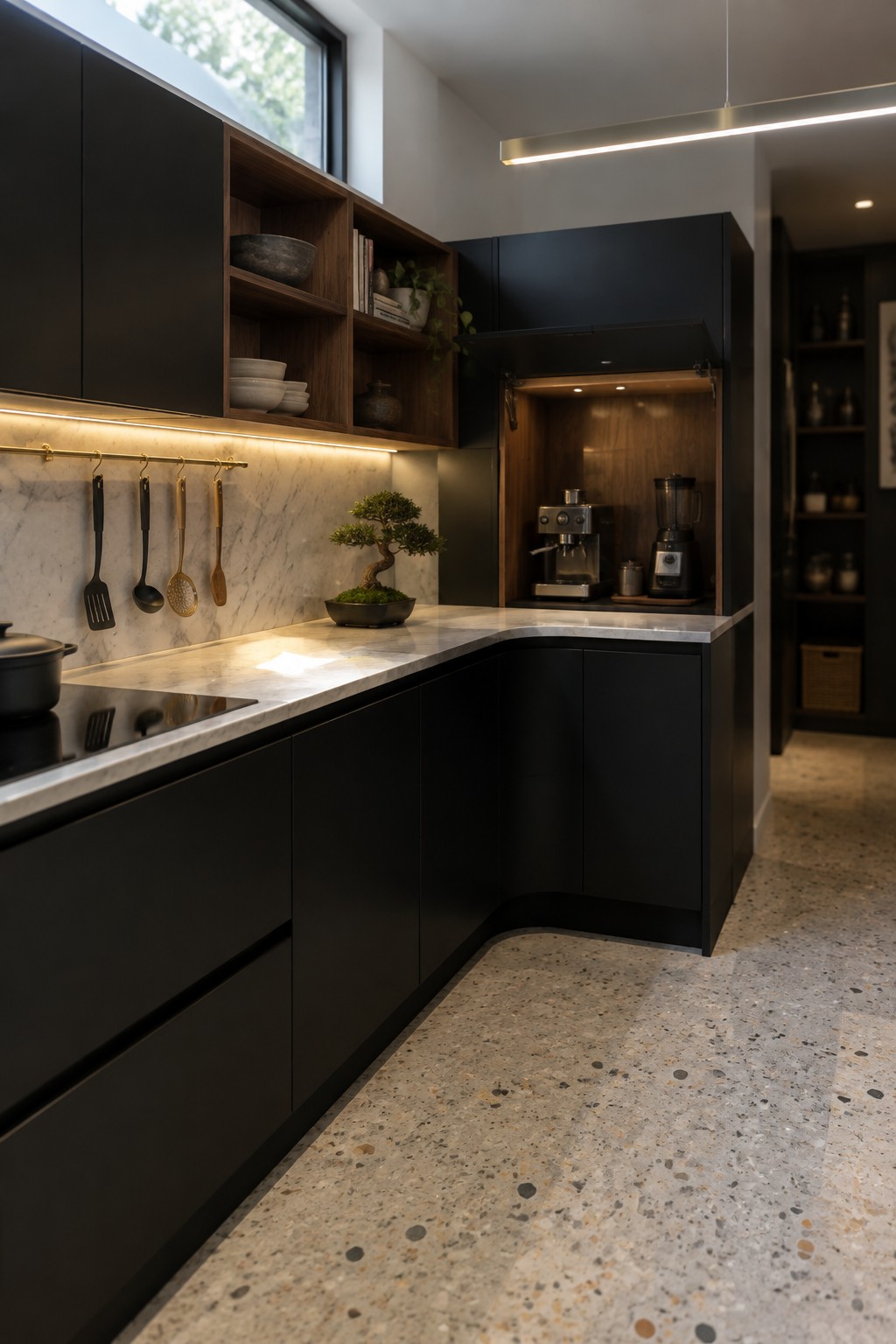
A built-in appliance garage gives small kitchen machines a place to live without taking up open counter space. The lift-up door hides them when they are not in use, while keeping them close at hand.
This works well at the end of a counter or in a corner cabinet where the space might otherwise go unused. Check that the opening is wide enough for your appliances, and leave room for ventilation if you plan to store a coffee maker or other machine that gets warm.
Make a Corner Cabinet Work Harder
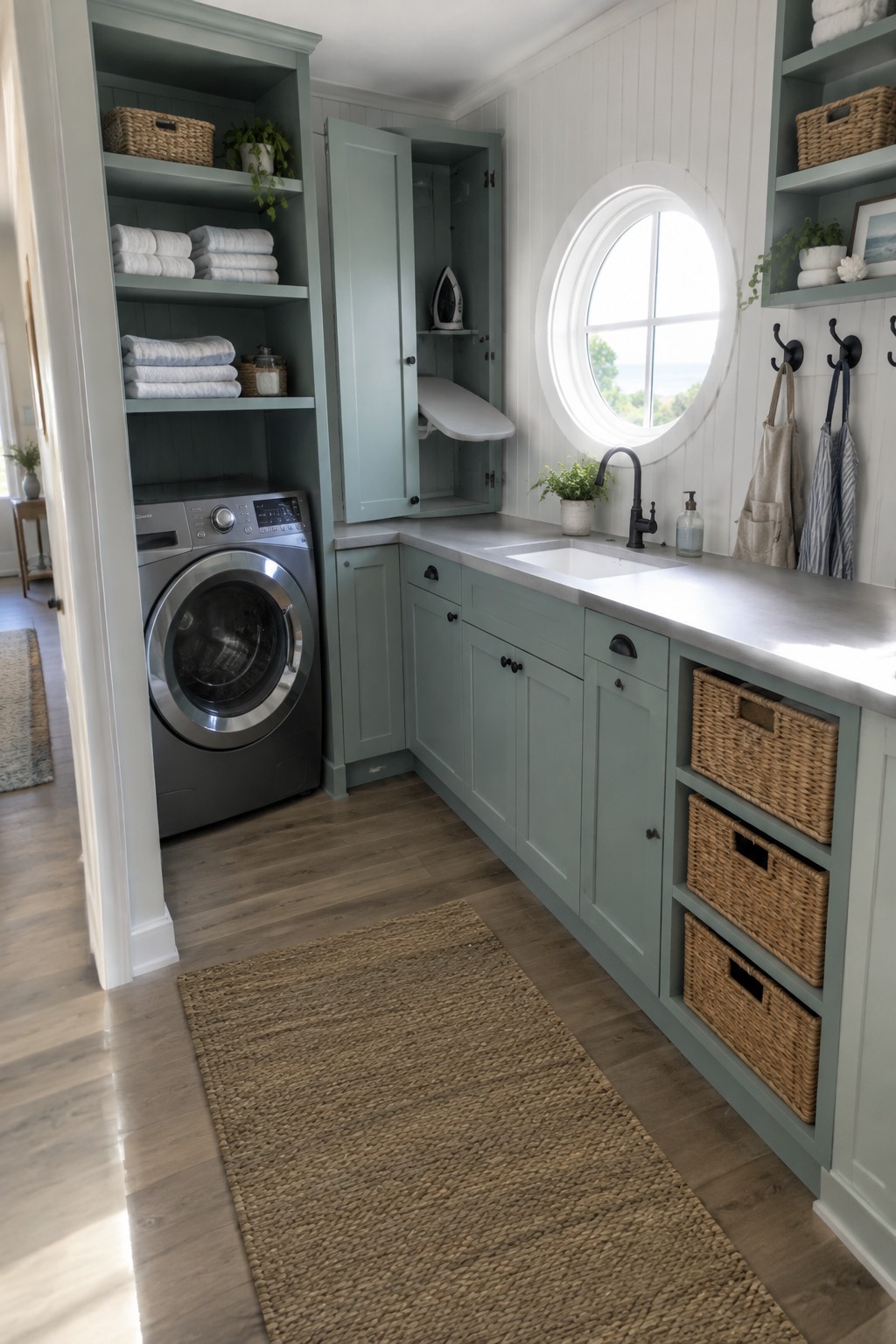
A corner cabinet can do more than hold a few rarely used items. In this laundry room, a tall built-in cupboard tucks an ironing board out of sight, leaving the counter free for everyday tasks.
This approach works well in a laundry room or utility space where counter room is limited. Give the cabinet enough depth for the items you want to store, and make sure its doors can open without blocking the main walkway.
Use a Floating Vanity to Free Up Floor Space

A wall-mounted vanity leaves the floor visible beneath it, which can help a small bathroom feel less crowded. The simple wood cabinet also provides useful storage without taking up extra floor area.
This approach works well in compact bathrooms where every bit of open space helps. Keep everyday toiletries inside the cabinet, and use a tray on the counter to prevent small items from spreading out.
Use a Corner Cabinet To Keep Storage Out of Sight
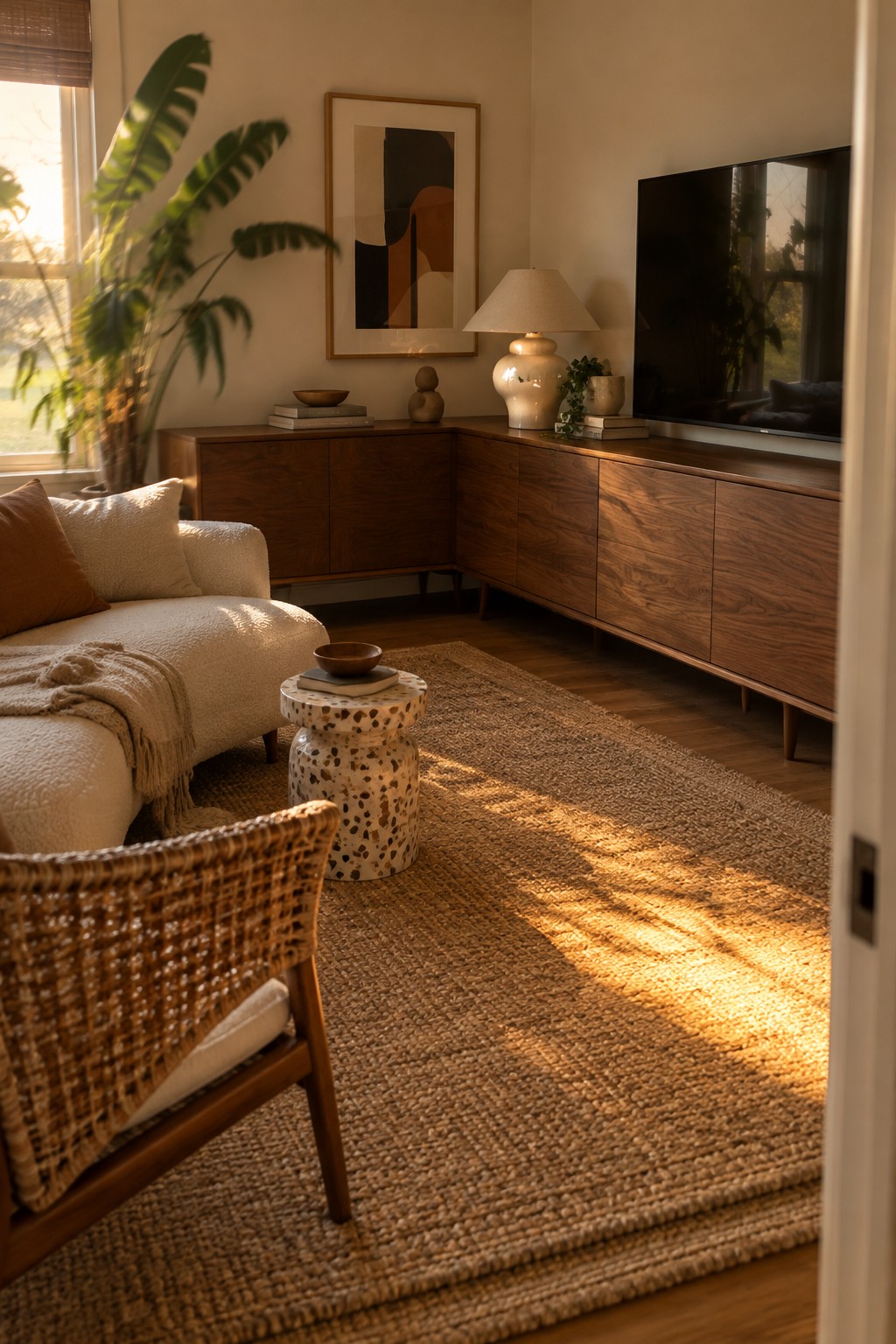
A corner cabinet can make an awkward turn in the room useful without adding visual clutter. The long, low cabinet in this living room shows how closed storage can sit neatly along two walls while keeping its contents out of view.
This approach works well in living rooms where a corner needs to hold everyday items, media equipment, or serving pieces. Choose cabinet doors that open easily and leave enough room around the corner for access.
Add Built-In Storage Near the Entry

A narrow built-in can make an entry easier to keep tidy by giving shoes a place to go instead of leaving them on the floor. Open shelves make everyday pairs easy to reach, while a small drawer can hide keys or other odds and ends.
This idea works especially well in a tight hallway or mudroom where a freestanding cabinet would take up too much space. Fit the shelves to the available wall, and leave enough room to walk comfortably past them.
Add a Built-In Desk to a Corner Cabinet

A corner cabinet can do more than store dishes or pantry goods. A small desk built into the cabinetry gives an unused corner a purpose and keeps work supplies tucked away instead of spreading across the counter.
This setup works well in a kitchen nook or another room where space is tight. Use shelves above the desk for books and closed cabinets for items you do not need every day. A wood desktop is a practical choice, but make sure there is enough legroom to sit comfortably.
Use a Closet Corner for Out-of-Sight Storage
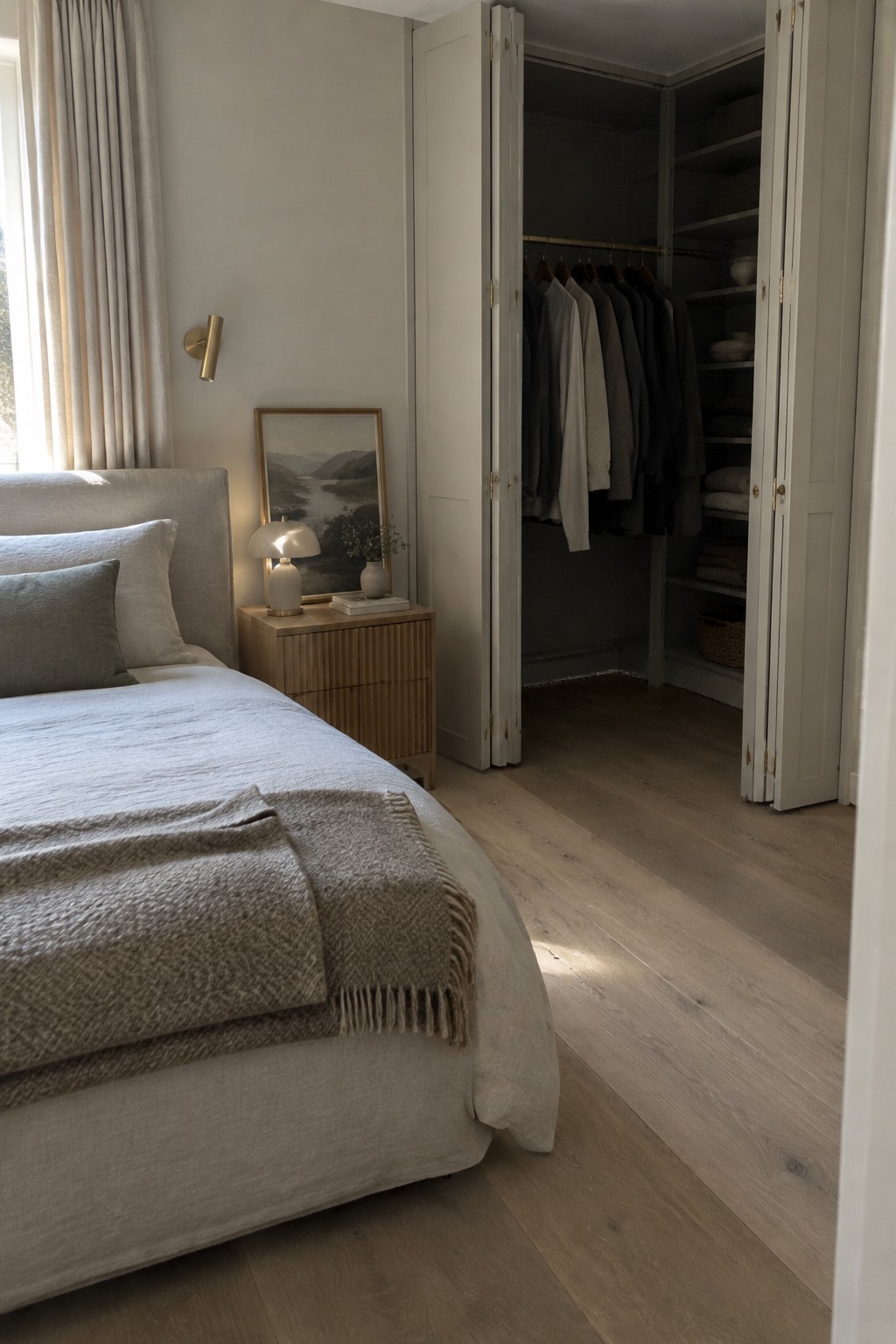
A closet tucked into a bedroom corner can hold clothes and folded linens without adding another dresser to the room. Keeping those everyday items behind doors helps the bedroom stay simple and uncluttered.
This idea works well in bedrooms with an awkward or unused corner. Add shelves for folded items and a hanging rod for clothes, and keep the doors easy to open so the storage stays practical.
Use Glass-Front Cabinets to Store Dishes
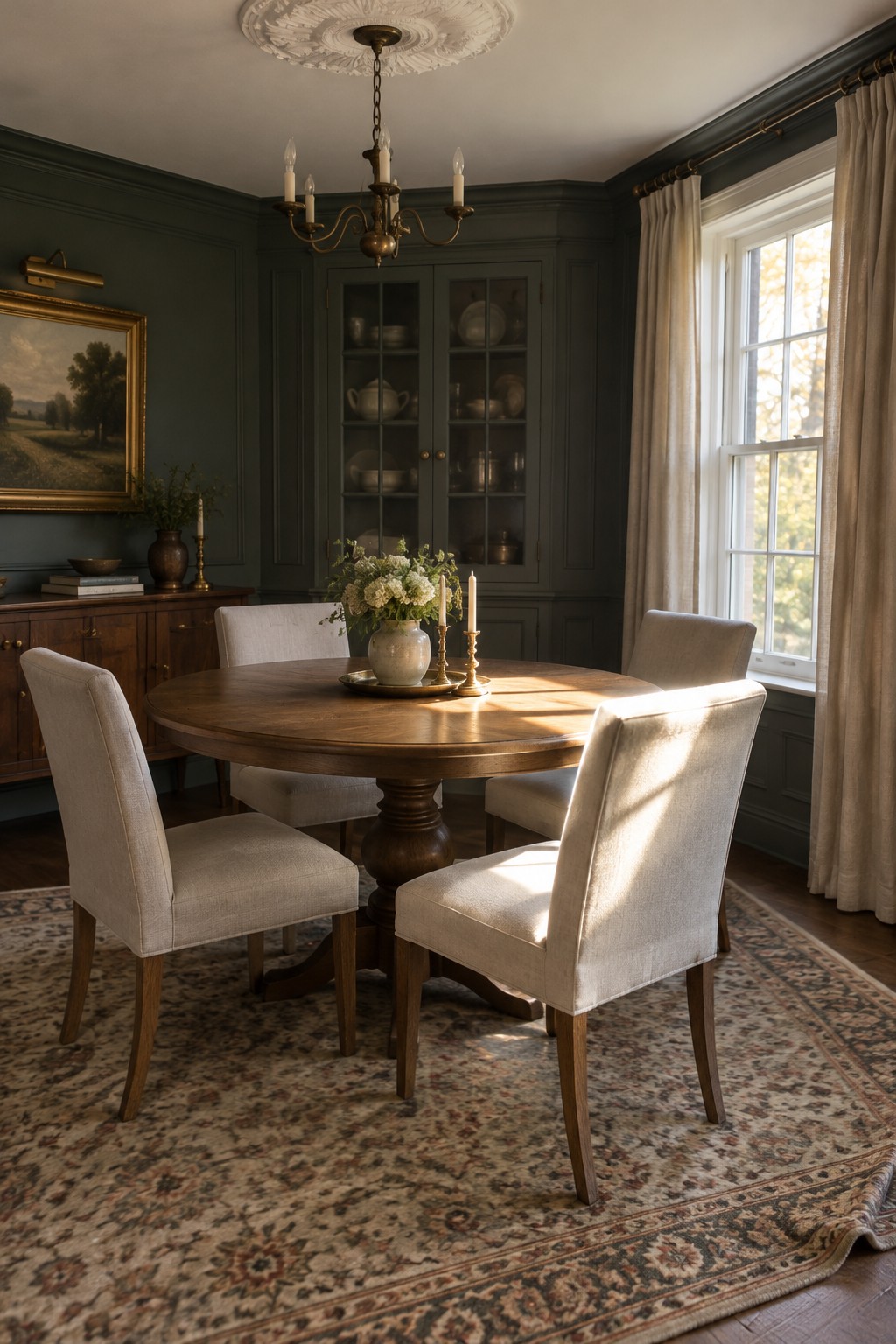
Glass-front cabinets keep dishes tucked away while making them easy to find. They can also make a dining room feel less closed in than a bank of solid cabinet doors. Here, the dark built-in gives the room useful storage without taking up floor space.
This idea works well in a dining area or kitchen where dishes are used often. Keep the shelves edited so the contents look orderly, and use lower closed cabinets for anything you would rather keep out of sight.
Use a Corner Vanity Cabinet for Hidden Storage
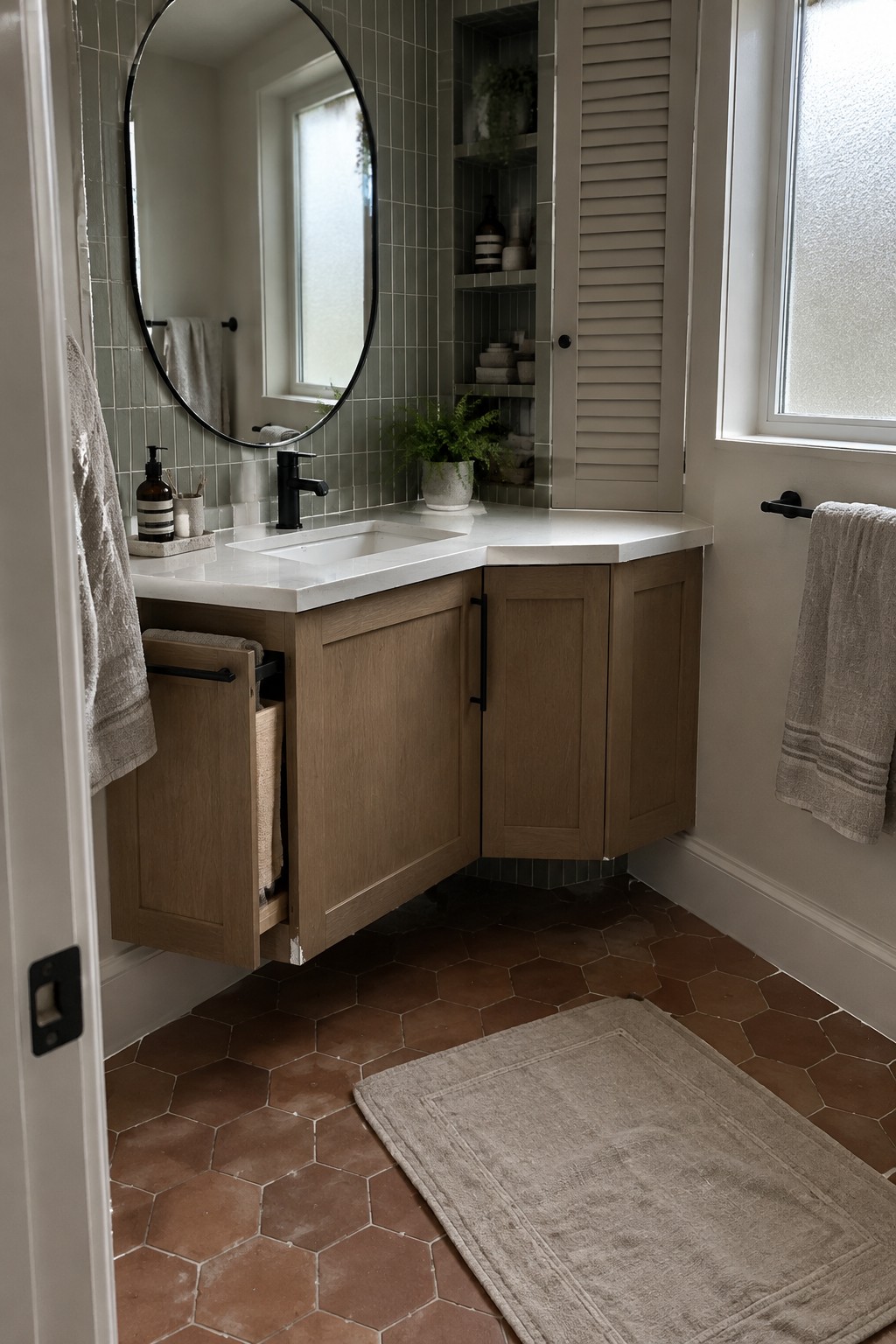
A corner vanity can make a small bathroom more useful without taking up extra wall space. The angled cabinet in this room fits neatly into the corner, while its closed doors keep everyday supplies out of sight and the counter clear.
This approach works well in compact bathrooms where a standard straight vanity would waste space. Choose a cabinet with drawers or shelves that are easy to reach, and keep the countertop to just the items you use daily.
Make a Corner Cabinet Into a Small Workstation
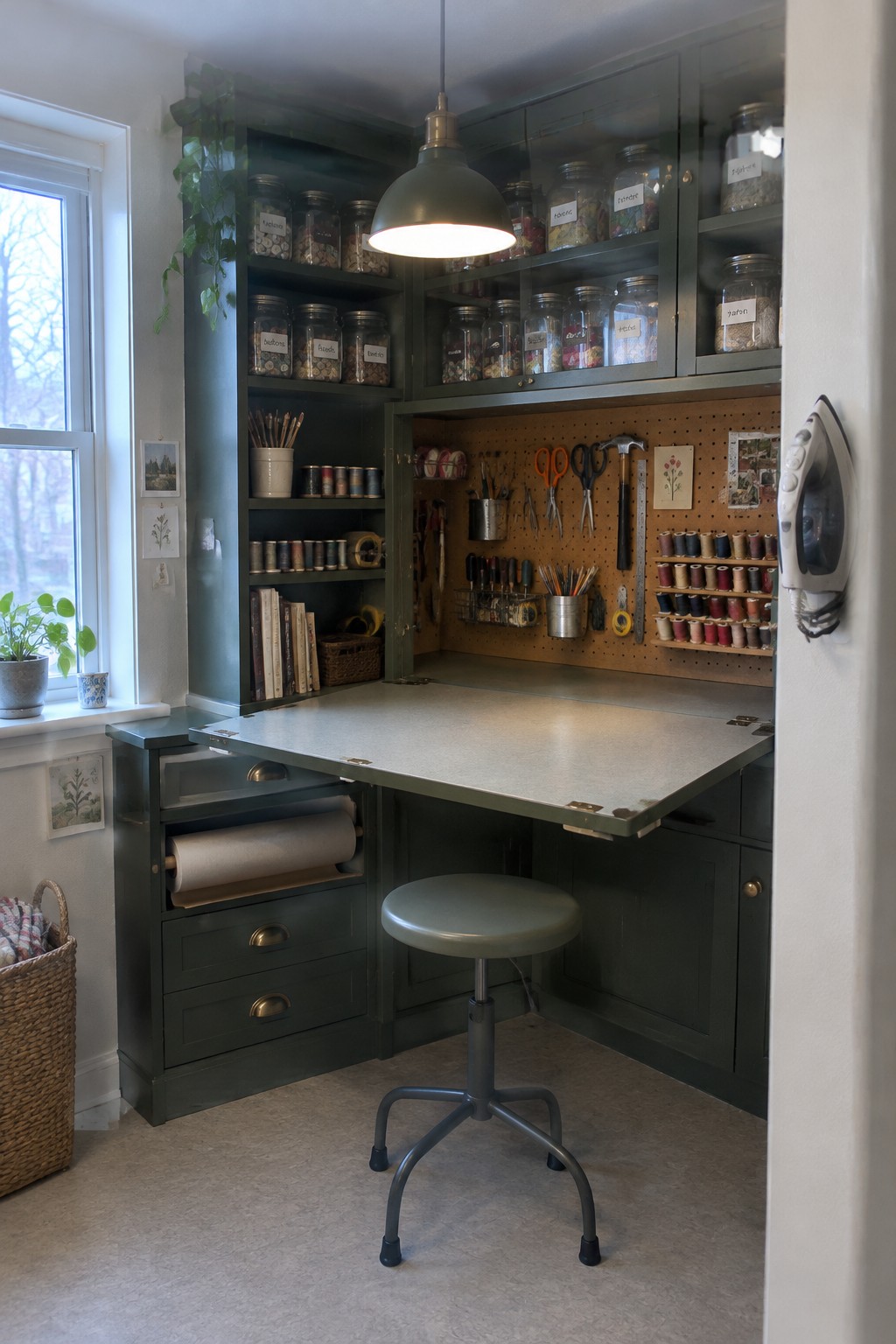
A corner cabinet can do more than store supplies. Here, a fold-down work surface turns a tucked-away corner into a handy sewing spot, while the closed surface keeps the area clear when the work is done.
This idea suits a craft room, laundry room, or any small space that needs an occasional desk. Add shelves or drawers nearby for supplies, and check that the opened surface leaves enough room to sit comfortably.
Add a Fold-Down Changing Station to a Built-In Cabinet
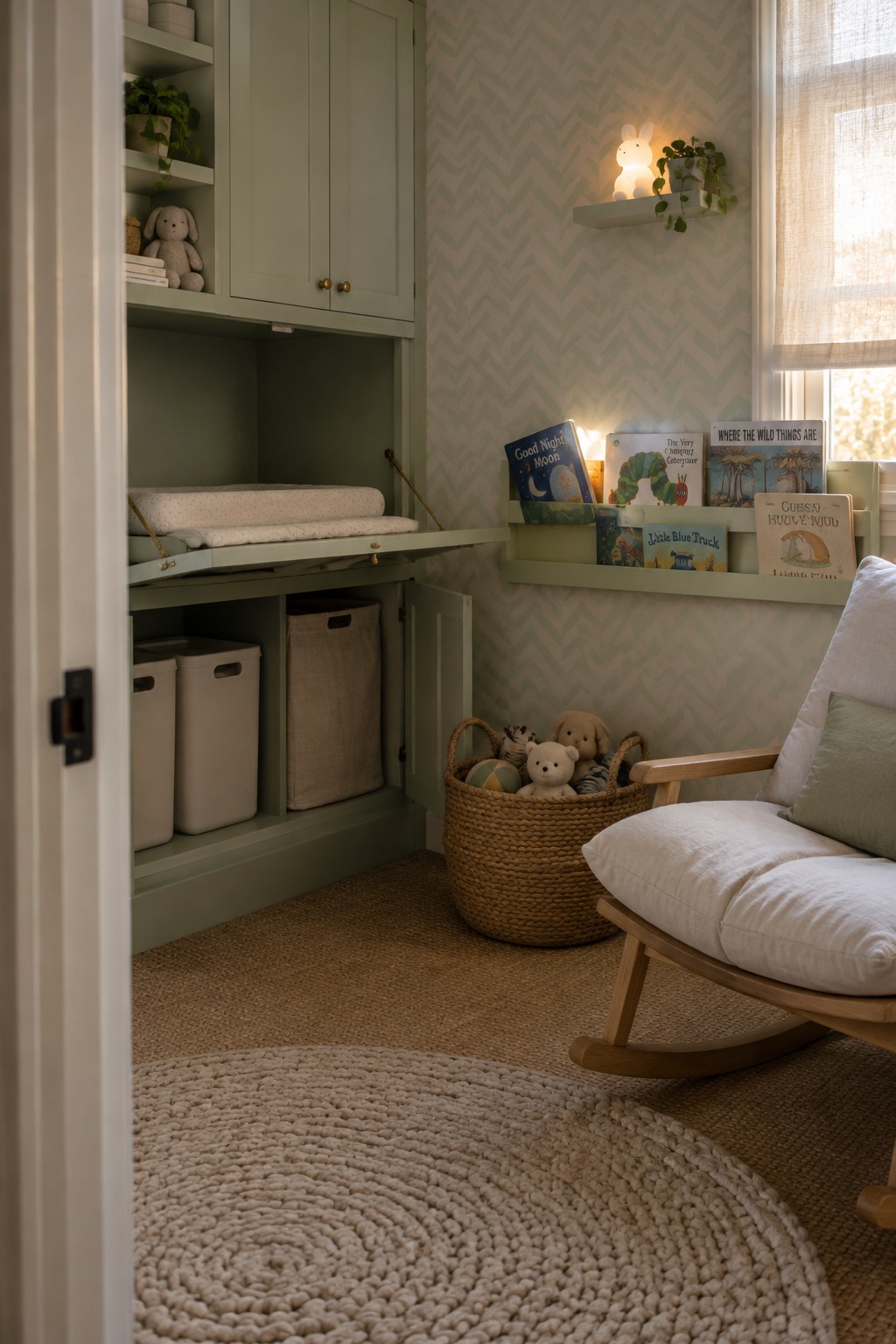
A fold-down changing station makes a built-in cabinet useful in a nursery without taking up permanent floor space. The padded shelf folds away when it is not needed, keeping the room easier to use and the surface clear.
This works well in a small nursery or a spare room that serves more than one purpose. Add storage below for diapers and linens, and make sure the shelf is securely mounted and easy to fold back into place.
Add a Built-In Bench for Entryway Storage
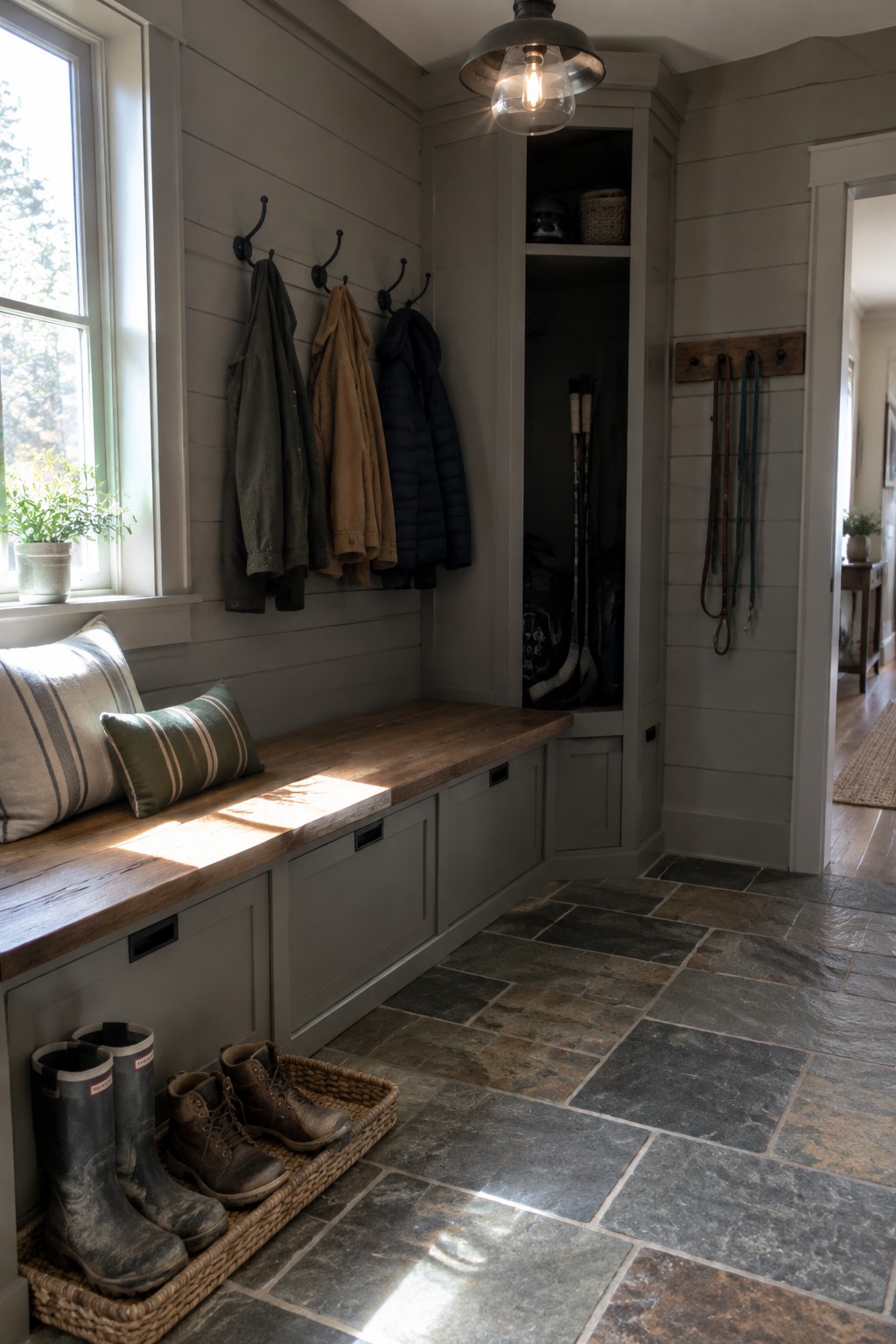
A built-in bench makes an entry or mudroom more useful by giving you a place to sit while keeping everyday items close at hand. In this setup, drawers beneath the seat tuck away shoes without leaving them scattered across the floor.
This idea works especially well in a narrow entry where separate furniture would take up too much room. Add sturdy drawers or lift-up storage below, and keep the bench depth comfortable enough for sitting.
Use a Tall Corner Pantry to Hide Everyday Supplies

A tall cabinet that reaches up to the ceiling can make a kitchen corner useful without leaving supplies on the counter. Narrow shelves inside keep jars and pantry goods easy to find while the closed doors keep the storage out of sight.
This works well in a small kitchen where every bit of cupboard space matters. Use adjustable shelves so taller items fit, and avoid packing them too tightly or the back of the cabinet can become hard to reach.
Use a Closet Corner for Shoe Storage
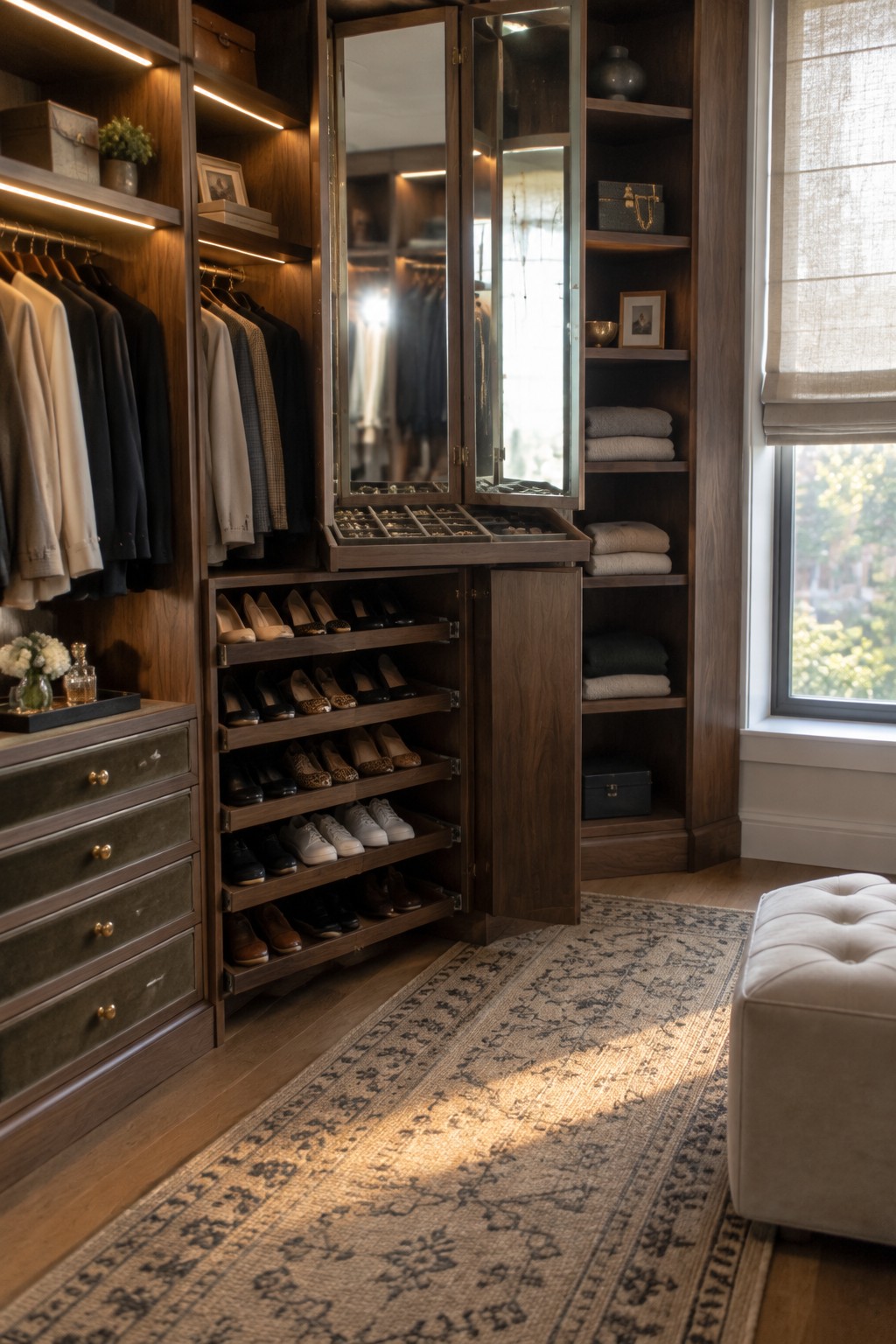
A built-in shoe rack makes a closet corner useful without taking up floor space. Angled shelves keep pairs easy to reach, while the surrounding cabinetry keeps the storage contained.
This setup works well in a walk-in closet or dressing room where shoes tend to collect near the doorway. Use shelves sized for the shoes you wear most, and leave enough room between them for boots or taller pairs.
Add Pull-Out Shelves to a Corner Pantry
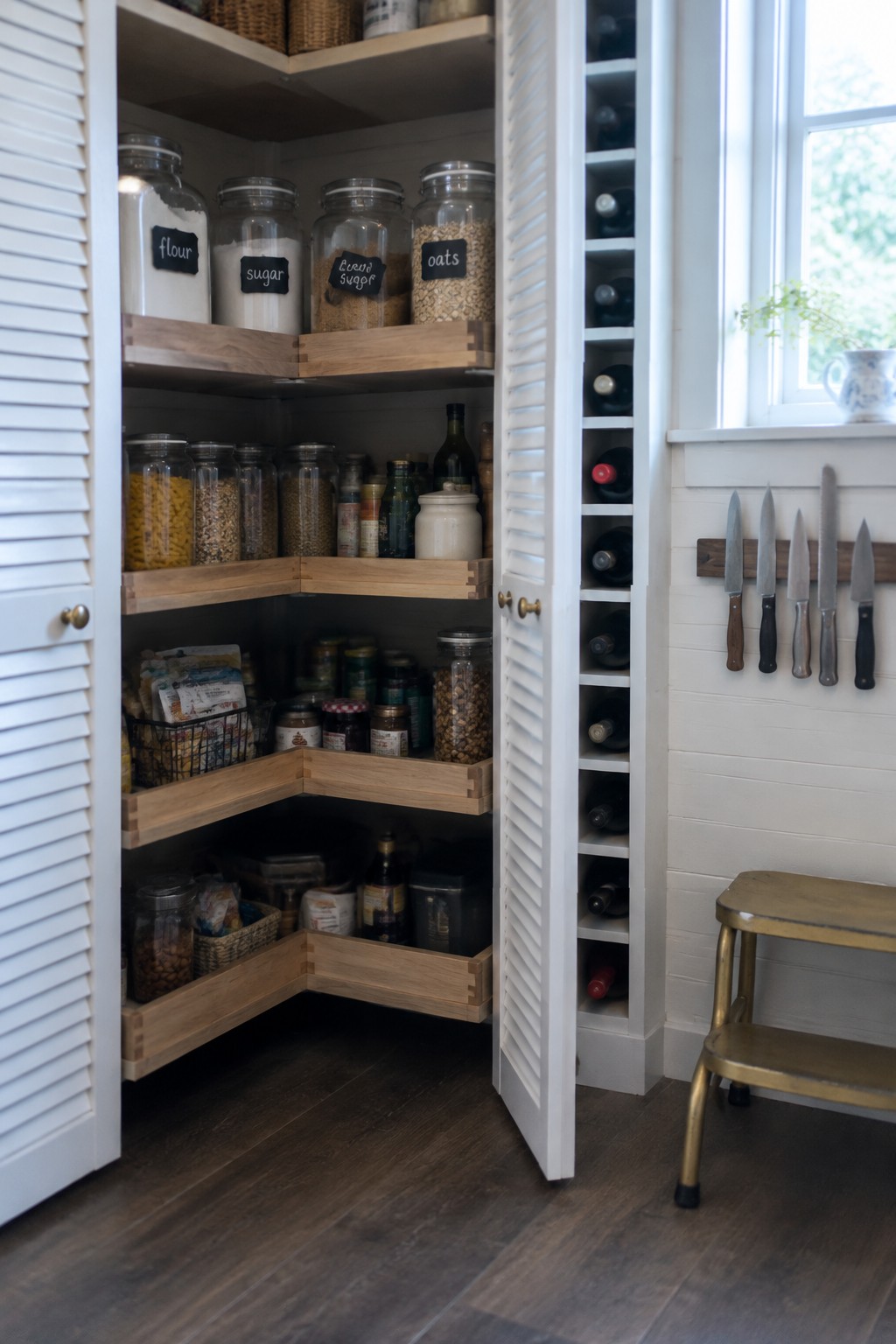
A corner pantry can hold a surprising amount, but deep shelves often leave supplies tucked out of reach. Pull-out shelves bring everything forward, so jars and pantry staples are easier to find without piling items on the counter.
Use sturdy shelves with a raised edge to keep containers steady as they slide out. This setup works especially well in an awkward corner where fixed shelves are hard to reach; keep heavier items on the lower shelves.
Use a Built-In Corner Cabinet for Bedroom Storage

A built-in corner cabinet can make use of space that might otherwise go unused, while keeping everyday items out of sight. A slim open section in the middle gives a little access to stored things without turning the whole unit into open shelving.
This approach works well in a bedroom where freestanding furniture would crowd the floor. Keep the cabinet depth modest, and use closed drawers or doors for the items you do not want on display.
Use a Corner Cabinet to Keep a Small Room Tidy
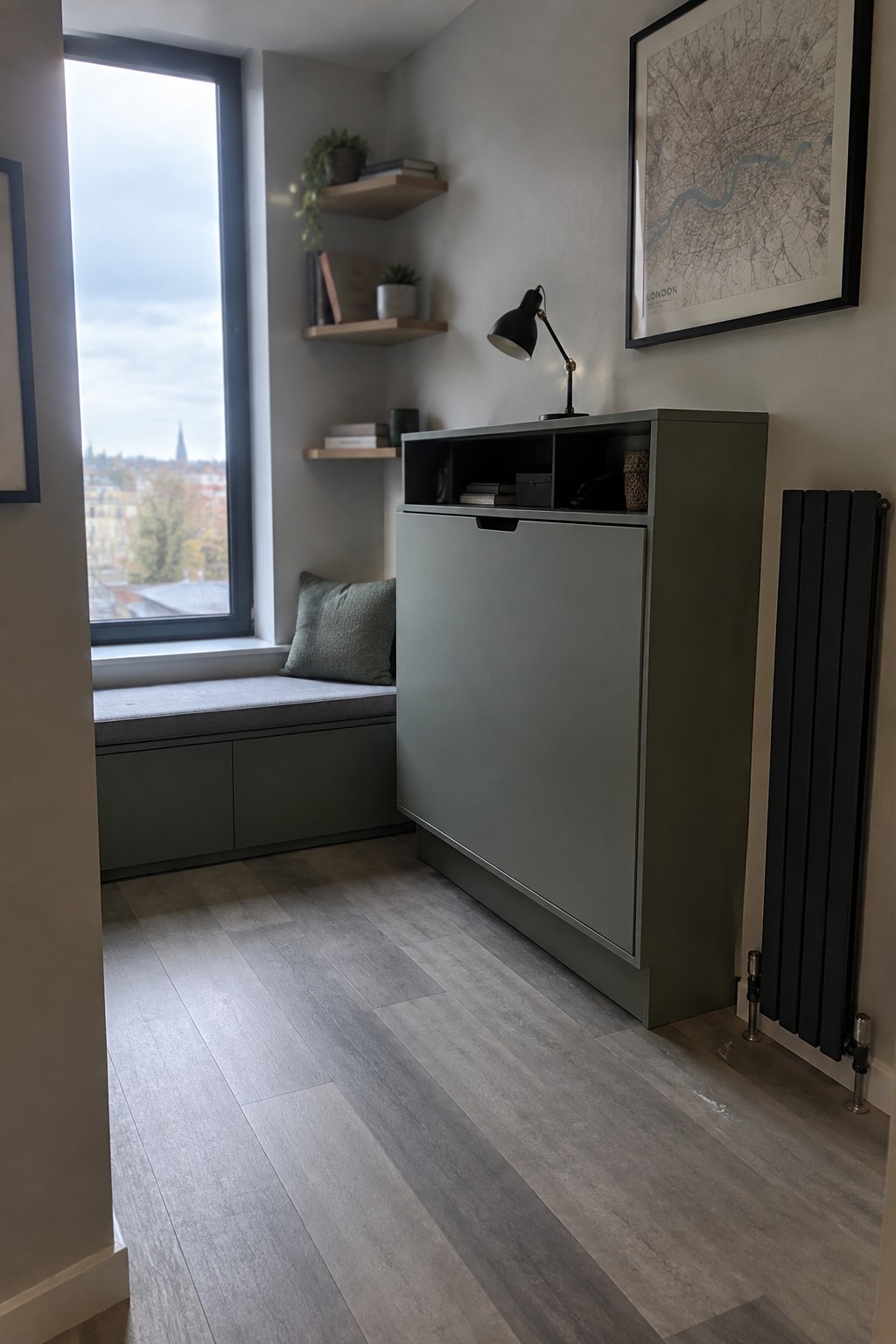
A tall cabinet can make a narrow room more useful by keeping storage off the floor and everyday items out of sight. The upper open cubbies give a few things a place to land, while the closed front keeps the rest tucked away.
This approach works well in a small study, hallway, or spare room where a full-size dresser would feel bulky. Choose a cabinet that fits the available wall space, and keep the open section simple so it does not become another clutter spot.
Use a Tall Cabinet to Organize Laundry Supplies

A narrow laundry room can benefit from tall cabinets that keep everyday supplies in one place and off the counter. Pull-out shelves make it easier to reach detergent and other items without rummaging through a deep cupboard.
This setup works well in a laundry closet or utility room where floor space is limited. Keep the most-used supplies on the easy-to-reach shelves, and leave room for larger items such as an ironing board.
Use a Corner Vanity Cabinet to Hide Bathroom Storage
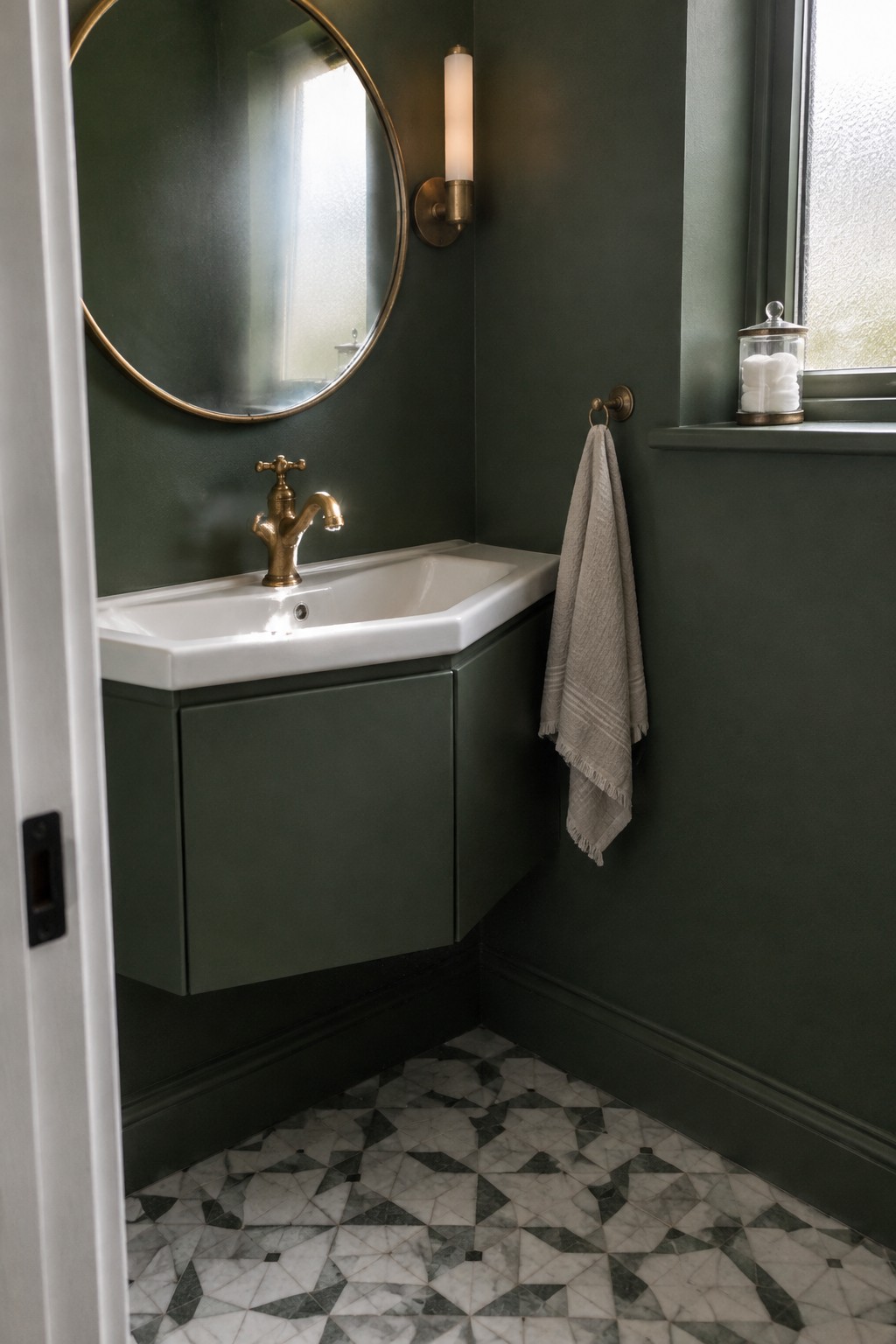
A corner vanity makes good use of space that can be awkward to furnish, while keeping everyday bathroom supplies behind closed doors. The white sink top stays clear, so the small room feels less crowded.
This approach works well in a compact bathroom or powder room. Choose a cabinet sized to fit the corner, and keep only frequently used items inside for easy access.
Frequently Asked Questions
Q: How do I keep a corner cabinet from turning into a jumble?
A: Give each shelf a clear purpose, such as pots on one level and pantry items on another. Use a turntable or pull-out shelf so things at the back stay easy to reach.
Q: What works best in a deep corner cabinet?
A: Store bulky, lightweight items there if you don’t need them every day. For daily-use cookware, a pull-out organizer makes it much easier to grab what you need without unloading the whole shelf.
Q: Can I add storage to a corner cabinet without replacing it?
A: Yes. Measure the opening and shelf depth, then add a freestanding turntable, bins, or a shelf riser that fits. A simple organizer often solves the problem without a renovation.
Q: How do I stop the counter beside the corner cabinet from collecting clutter?
A: Keep only the items you use often on the counter, and give everything else a home inside the cabinet. A small tray can corral daily essentials, but clear it regularly so it doesn’t become another catchall.