


Corner cabinets can make a kitchen feel awkward when everyday things get lost in the back.
I find that a well-planned drawer changes how the whole corner works, making it easier to reach cookware and put it away without shifting everything around.
The best designs also suit the room, since drawer depth, cabinet size, and nearby counters all affect how smoothly the kitchen functions.
Some solutions may need a little adapting to fit your layout, but they offer practical details worth keeping in mind as you plan a more accessible corner.
Make Corner Drawers Easier to Reach
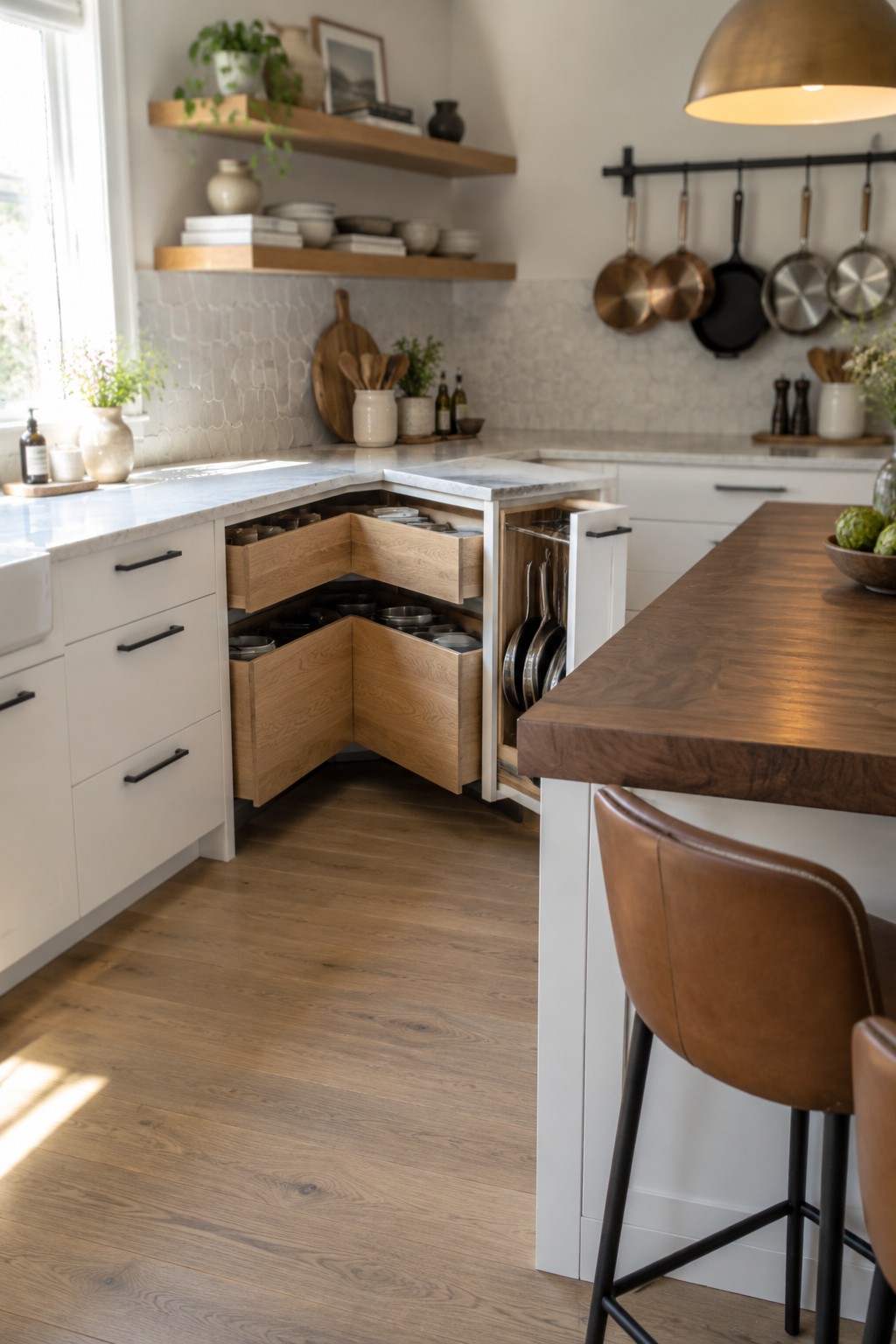
Corner drawers bring stored cookware out into the open instead of leaving it tucked away in a deep cabinet. The angled drawers shown here make use of the corner while keeping pots and pans easy to see and grab.
This setup works well in an L-shaped kitchen where a standard cabinet might waste space. Check that the drawers have room to open fully, and keep heavier cookware on the lower levels.
Make Corner Cabinets Easier to Reach
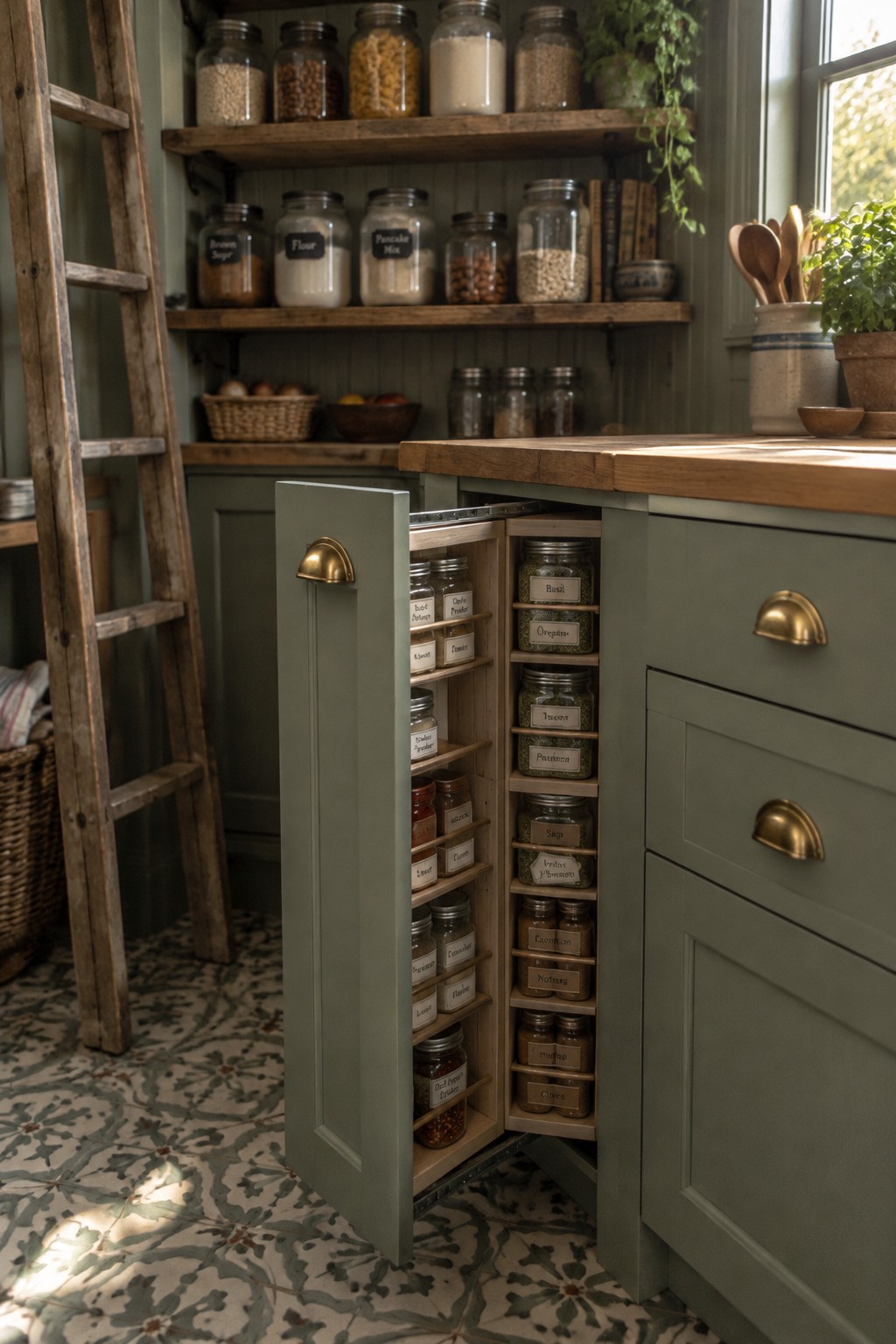
A corner drawer cabinet can put everyday seasonings within easy reach instead of tucked away in the back of a deep cupboard. In this kitchen, narrow pull-out shelves hold labeled jars and slide out from beside the cabinet, making the storage easier to see and use.
This setup works well in a kitchen where two runs of cabinets meet, especially near the stove or prep area. Measure carefully before choosing the hardware, and keep the shelves narrow enough to clear the cabinet doors and nearby drawers.
Use Pull-Out Drawers for Laundry Storage

A pull-out drawer can make laundry supplies easier to reach than items tucked at the back of a deep cabinet. The same idea works well for sorting clothes, as shown by the pair of fabric hampers in this cabinet.
Use a pull-out unit where there’s enough clearance for it to open fully, and check that the hampers are easy to lift out when full. In a compact laundry room, this keeps sorting close at hand without taking up extra floor space.
Use Corner Drawers To Reach More Easily

Corner drawer cabinets make awkward bathroom storage easier to use by bringing smaller items forward instead of hiding them in a deep cupboard. A narrow stack of drawers beside the main vanity drawers can make good use of the cabinet’s corner area.
This setup works well in a compact bathroom where every bit of storage matters. Keep everyday items in the upper drawers, and check that the drawer fronts have enough clearance to open without hitting nearby fixtures.
Use a Bench to Make Entry Storage More Useful
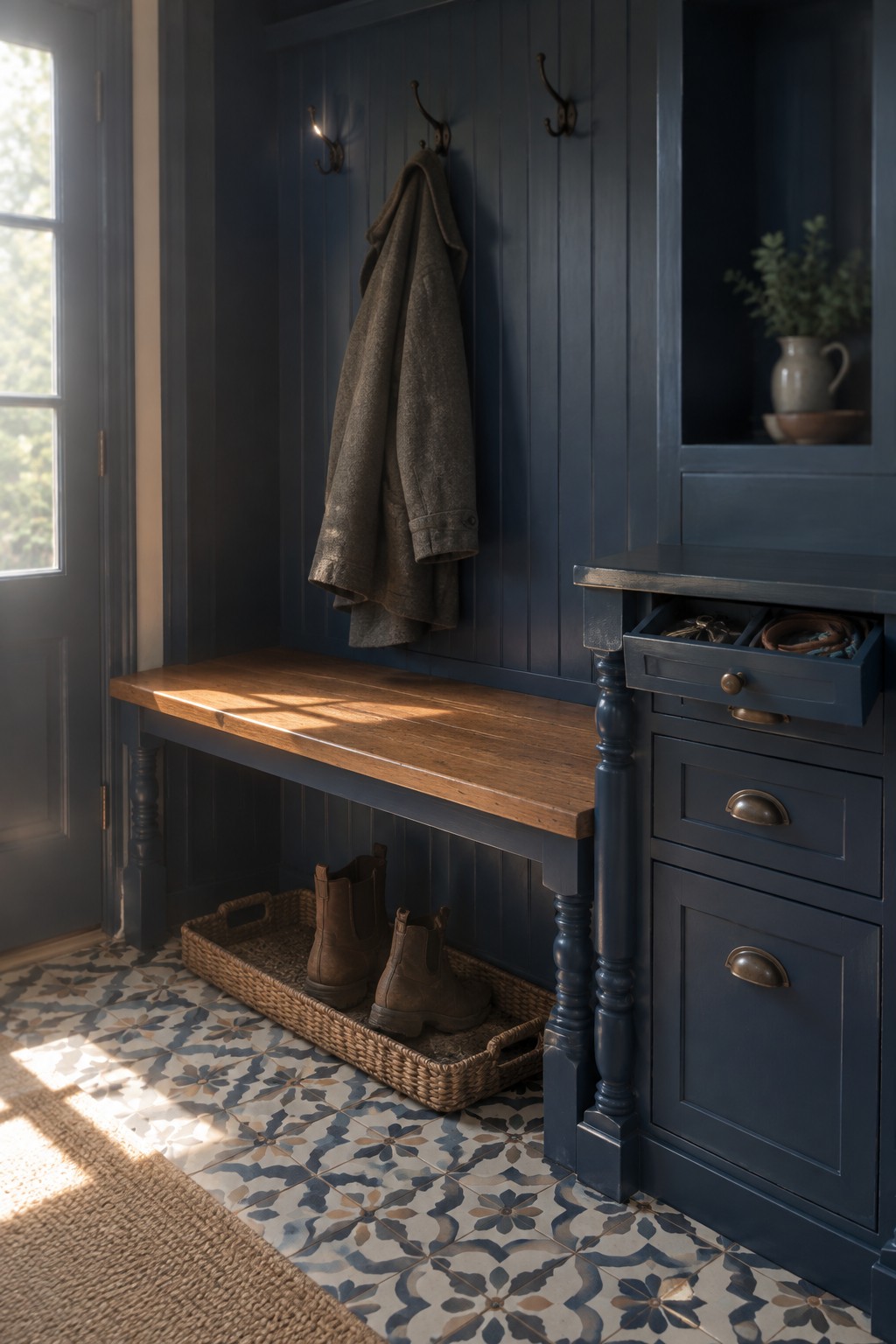
A built-in bench can turn an entry corner into a practical place to sit and get ready. Here, the open space beneath the wooden seat holds a basket for boots, keeping everyday footwear close by without crowding the walkway.
In a narrow mudroom, a bench with storage underneath can make better use of space than a separate chair and shoe rack. Keep the basket easy to pull out, and leave enough room around the bench to sit comfortably.
Use Corner Drawers For Easy Desk Storage
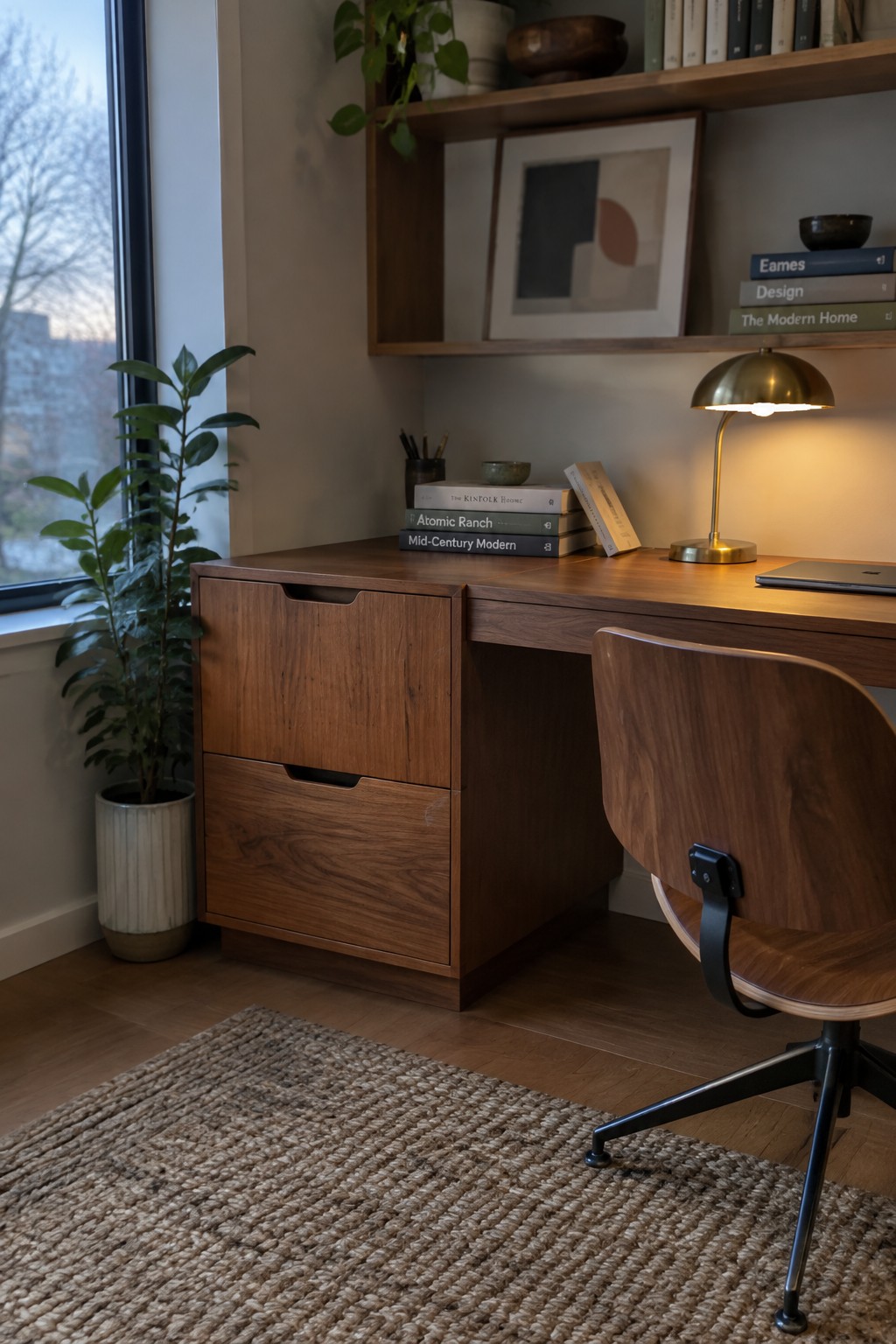
A corner drawer cabinet can make a desk feel more practical by keeping everyday supplies close without taking up extra floor space. The two wide drawers here use recessed pulls, so the fronts stay simple and easy to open.
This kind of storage works well in a home office where a desk meets a wall or built-in. Keep frequently used items in the upper drawer, and avoid making the drawers so deep that small supplies get lost.
Use a Corner Drawer Cabinet for Bedroom Storage

A drawer cabinet tucked into a bedroom corner can make good use of space that might otherwise go unused. The woven drawer fronts shown here keep the storage practical while giving the cabinet a furniture-like look.
This idea works well in bedrooms where there isn’t room for a wide dresser. Choose drawers that open fully and keep the cabinet’s depth in mind, so you can reach items at the back without blocking the nearby bed or walkway.
Use a Rotating Corner Cabinet for Cookware

A rotating corner cabinet makes awkward cabinet space easier to use. Shelves swing out so pots and pans are easier to reach, instead of getting lost at the back.
This setup works well in an L-shaped kitchen where two runs of cabinets meet. Keep heavier cookware on the lower shelf, and leave enough room for the shelves to turn freely.
Use Deep Drawers to Make Corner Storage Easier
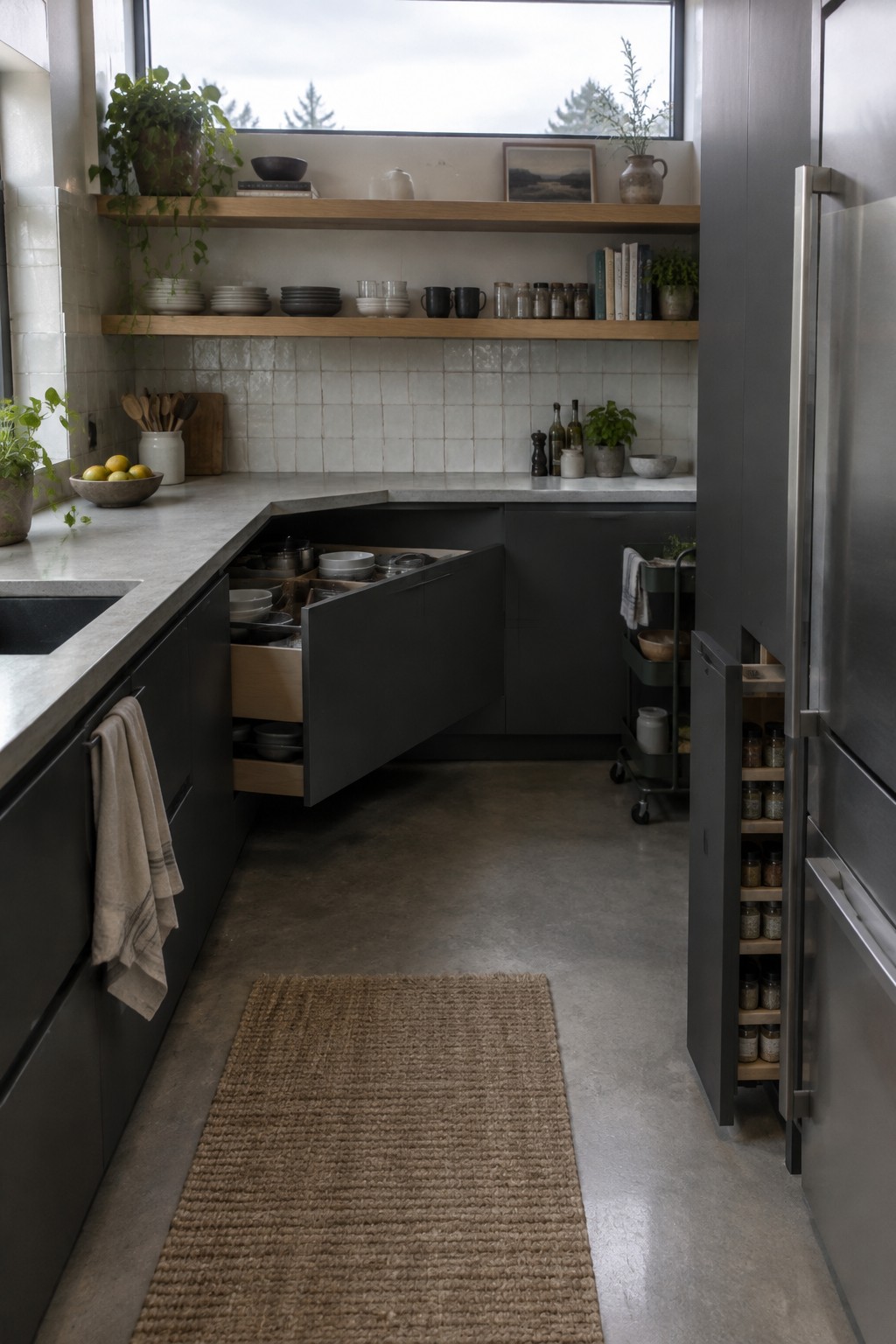
Deep corner drawers bring cookware and dishes out into the open, so you don’t have to reach into the back of a cabinet. Divided storage can also keep stacks of bowls and pans from shifting around.
This setup works well in an L-shaped kitchen where a standard cabinet corner might otherwise be awkward to use. Check that the drawers can open fully without blocking nearby cabinets or appliances.
Plan Corner Drawers Around the Sink
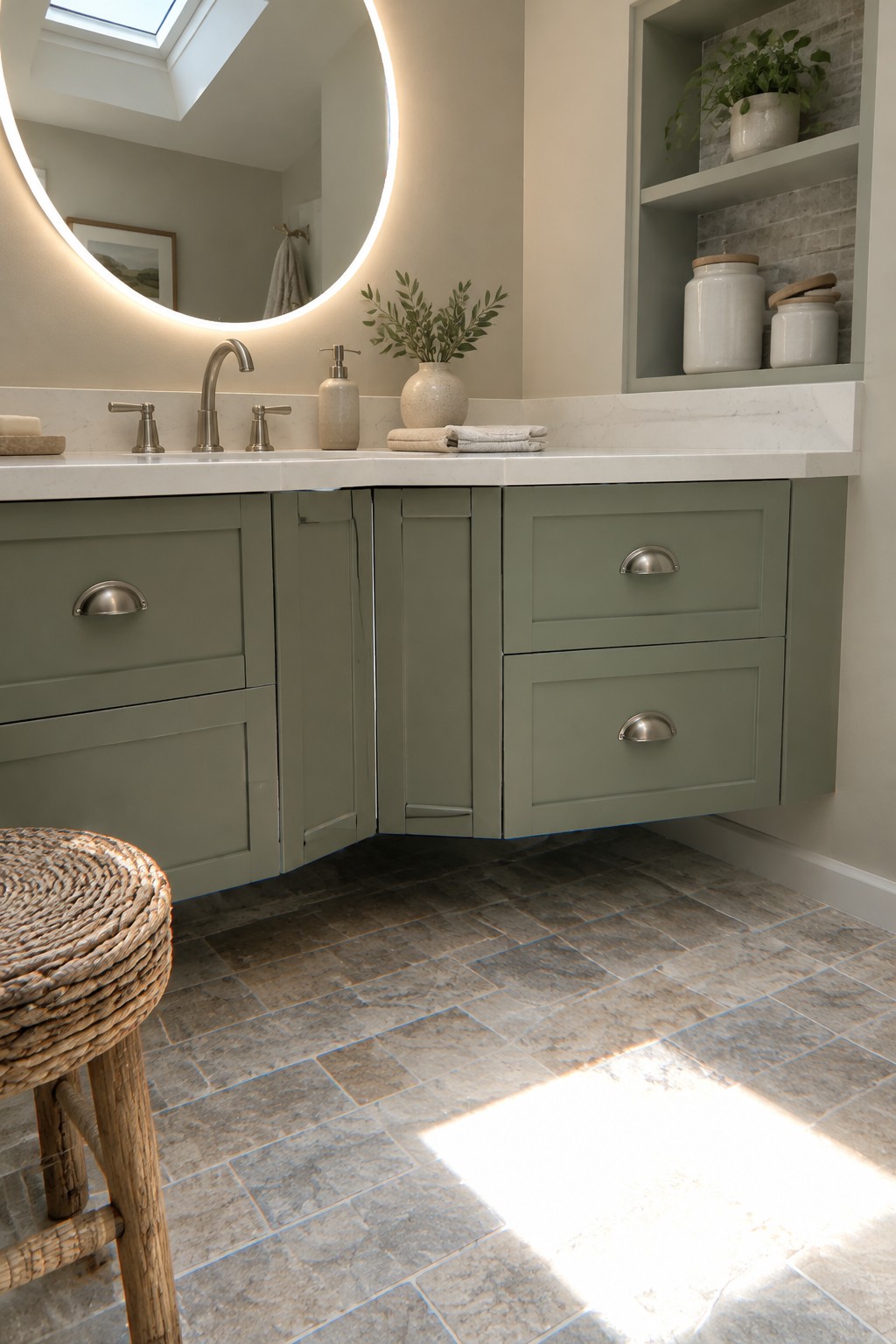
Corner drawers can make the awkward space beside a bathroom sink easier to use. A built-in vanity keeps storage close at hand, while the drawers make everyday items simpler to reach than they might be in a deep corner cabinet.
This approach works well in bathrooms where the vanity turns around a corner. Keep the drawer fronts and cabinet finish consistent with the rest of the vanity, and check that the drawers can open fully without bumping into plumbing or nearby doors.
Add a Corner Drawer Cabinet to the Entry
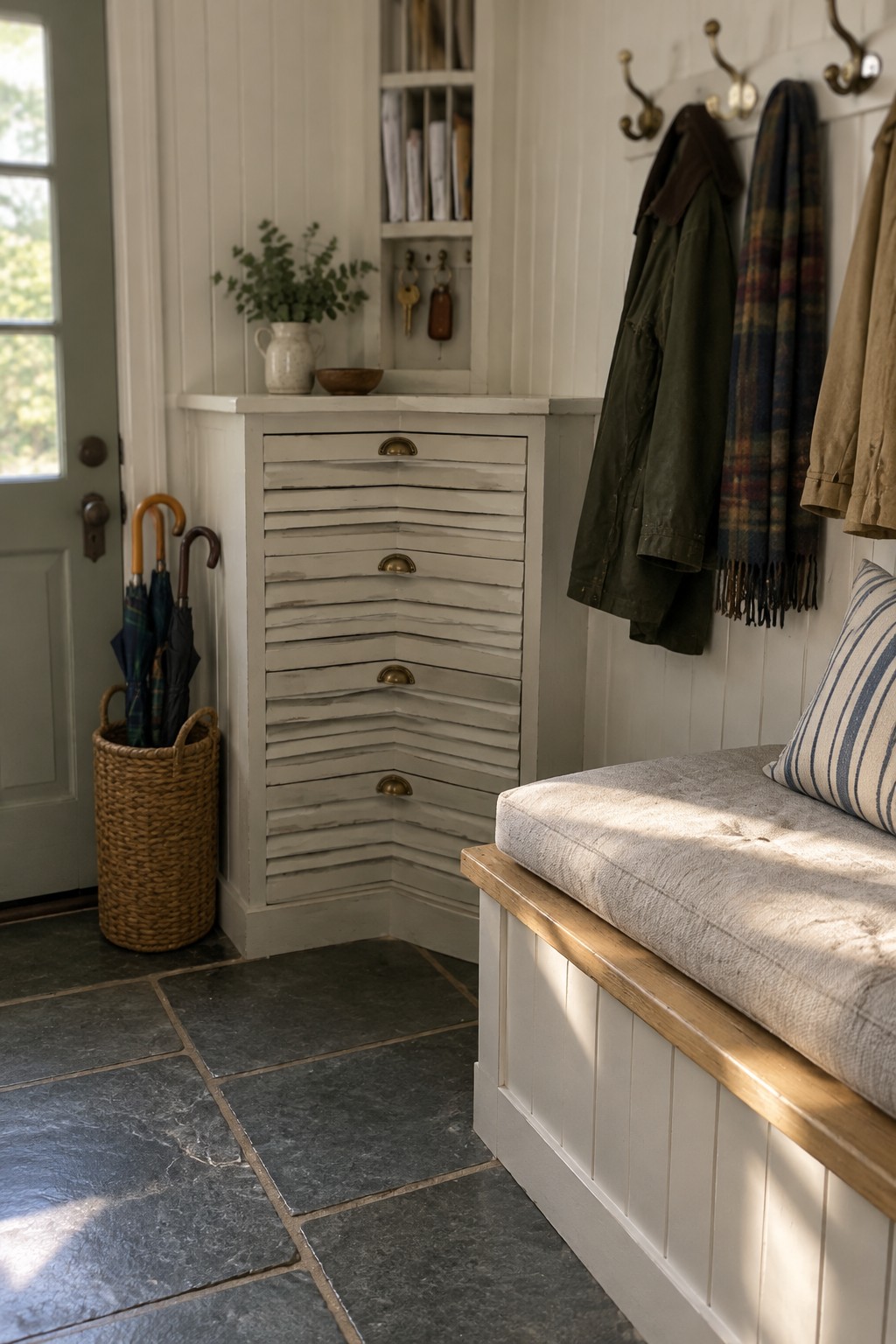
A corner drawer cabinet makes use of space that can otherwise be awkward to reach. Shallow drawers keep smaller everyday items organized and visible, so you do not have to dig into the back of a deep cupboard.
This kind of storage works well in an entry or mudroom where floor space is limited. Choose drawers that open fully, and keep the most-used items in the upper ones for easy access.
Store Cutting Boards in a Corner Drawer
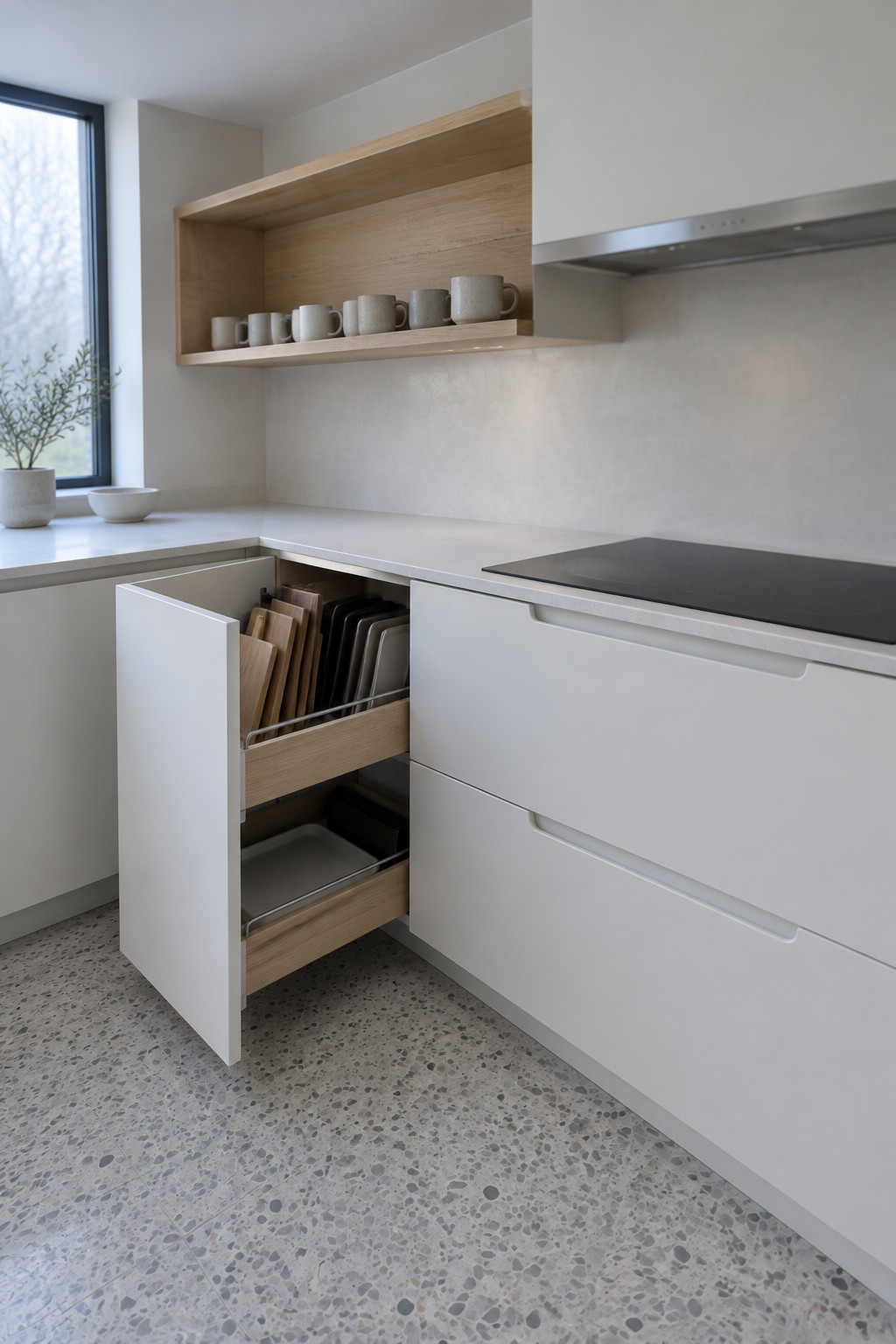
A deep corner drawer can make awkward cabinet space useful for everyday kitchen items. Here, the upper pull-out keeps cutting boards upright, so they are easier to sort through and remove than they would be in a stack.
This setup works well near a food-prep area, especially when the drawer has a divider or rail to keep boards from tipping. Leave enough room for different board sizes, and use the lower drawer for less frequently needed items.
Choose a Wide Dresser for Changing-Table Storage

A dresser with a changing pad on top can make nursery storage easier to use every day. The broad drawers keep clothes and supplies close at hand, while the top serves as a practical changing spot.
Look for a dresser with drawers that open fully and keep frequently used items in the easiest-to-reach ones. This setup works well in a nursery where floor space is limited, but leave enough room to open drawers safely.
Use Corner Drawers to Keep Everyday Items Close
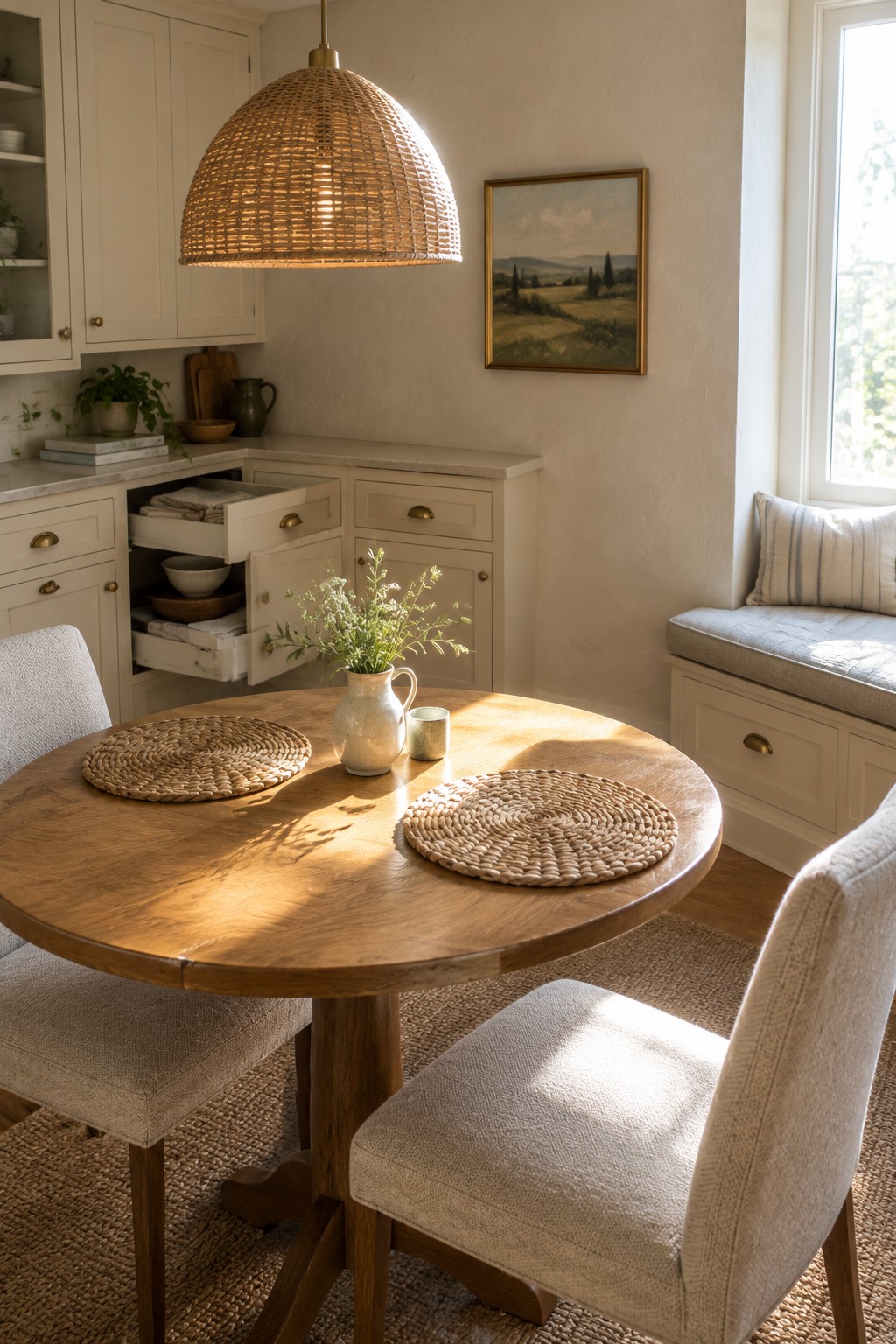
Corner drawers make awkward cabinet space easier to use, especially in a small kitchen or breakfast nook. Instead of reaching into a deep cabinet, you can pull out linens, bowls, or other frequently used items and see them at a glance.
A stack of drawers beside a corner counter can also keep the work surface clear. Choose drawer depths to suit what you plan to store, and make sure the doors and drawers have room to open without bumping nearby furniture.
Use a Corner Drawer Cabinet for Bar Storage
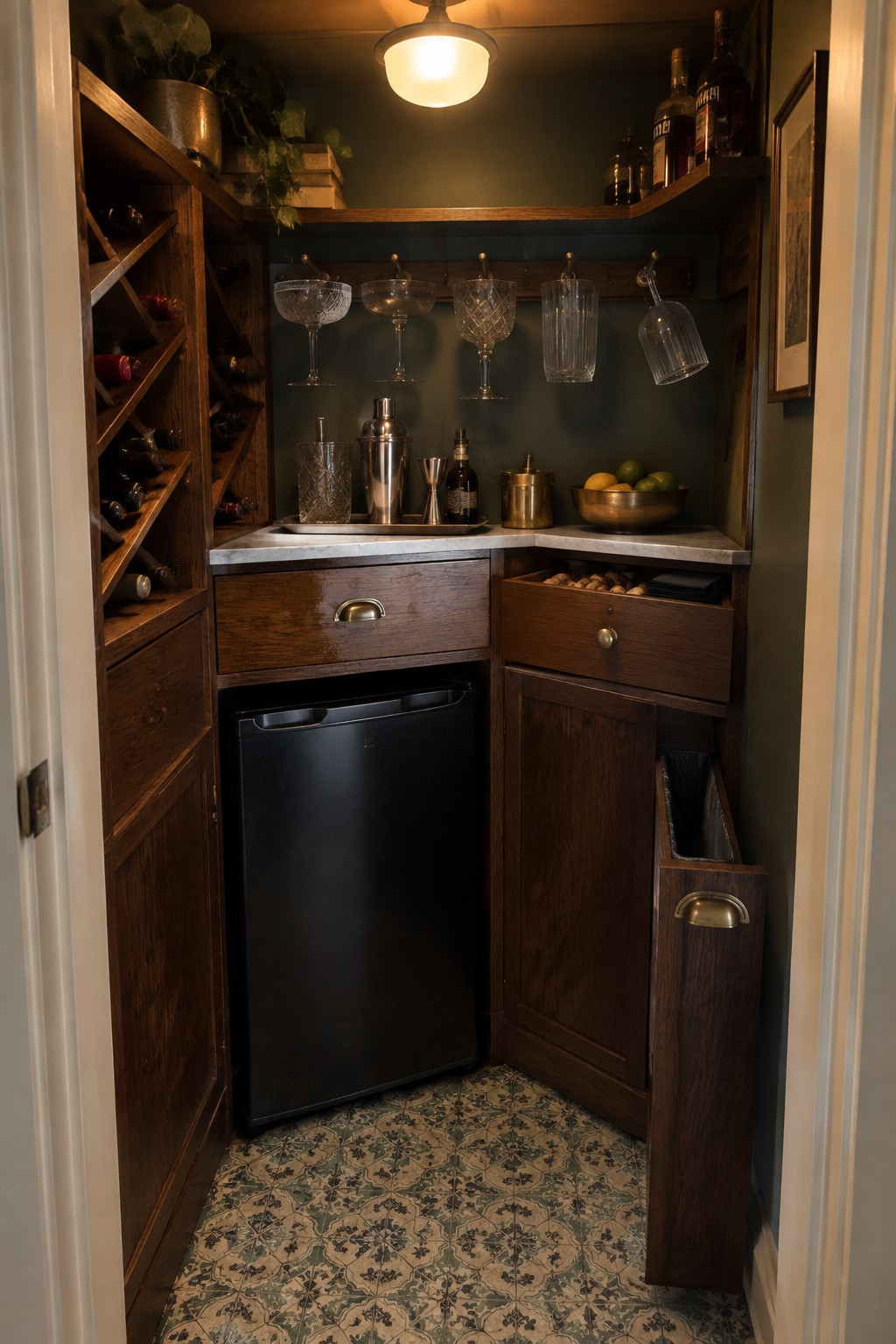
A corner drawer cabinet can make a small home bar easier to use by putting supplies within reach without taking up much floor space. Here, the counter turns into the corner, with a compact refrigerator tucked below.
This setup works well in a pantry, dining nook, or unused kitchen corner. Keep the most-used bottles and tools in the drawers, and leave enough room for the cabinet to open fully.
Use Corner Drawers to Organize Pantry Supplies

Corner drawers make awkward cabinet space easier to use by bringing stored items out where you can reach them. This setup uses separate drawers for baking tools and pantry staples, so small supplies are less likely to get lost at the back.
Use this idea in a kitchen corner near the cooking area, and choose drawer depths that suit what you plan to store. A chalkboard list inside the door can help keep track of staples, but leave enough room for the drawers to open fully.
Add a Fluted Corner Cabinet Beside the Bed

A corner cabinet can make a narrow bedside area more useful without needing a wide nightstand. The fluted drawer fronts give this compact storage a finished look, while the lower drawer can hold books or other items you want nearby.
This setup works well in bedrooms where the bed sits close to a wall or window. Measure the corner and check that drawers can open fully before choosing a cabinet, especially in a tight walkway.
Add a Narrow Corner Cabinet for Spices

A narrow cabinet tucked into a kitchen corner can put small everyday items within easy reach without taking up much counter space. Shelves that pull out or open toward you make it easier to see what is stored at the back.
Use this kind of cabinet for spices, jars, or other compact supplies near the work area. Check that the doors can open fully and that the shelves are easy to reach before settling on the layout.
Keep Pet Feeding Supplies in a Low Drawer

A low pull-out drawer can turn a corner cabinet into a handy feeding station. Here, bowls sit in the open drawer, so they are easy to reach and can be tucked away when mealtime is over.
This setup works well near an entry or wherever a pet is usually fed. Use a sturdy, easy-to-clean drawer and leave enough room for the bowls to slide out without catching on nearby furniture.
Frequently Asked Questions
Q: What’s the easiest way to organize a corner drawer so things don’t get lost in the back?
A: Keep everyday items near the front and use small bins or dividers to group things by type. Leave a little room between groups so you can lift out what you need without shifting everything else.
Q: Can I add a corner drawer to my existing kitchen cabinets?
A: Sometimes, but the cabinet opening and nearby doors need enough clearance for the drawer to open fully. Measure the space first, then check with a cabinet installer before ordering a custom drawer.
Q: Are deep corner drawers useful for pots and pans?
A: Yes, especially if the drawer pulls out far enough to reach the back. Store heavier pots low and avoid stacking them too high, so you can lift each one out safely.
Q: How do I stop a corner drawer from catching on the cabinet next to it?
A: Check that the drawer is level and that its slides are firmly attached. If it still rubs, adjust the slide position or add a small stop to keep the drawer from opening too far.