


Blind corner cabinets often look roomy until I reach past the first shelf and find the things at the back are hard to see or use.
In a working kitchen, storage needs to make sense during busy routines, not just look tidy when the doors are closed.
Pull-out shelves and rotating trays can bring hidden space within reach, though the best choice depends on the cabinet’s shape and what I plan to store there.
I’d pay attention to how smoothly each system moves and whether it leaves enough room for larger pots, pans, or small appliances.
Some of these designs are worth adapting to make an awkward corner feel like a useful part of the kitchen.
Make Use of a Blind Corner

A blind corner cabinet can hold more than you might expect when the shelves pull out and turn into the room. This setup keeps cookware and everyday items reachable instead of tucked away at the back.
A corner pull-out works well in an L-shaped kitchen, especially where two runs of cabinets meet. Check that the shelves can clear the cabinet door and leave enough room to open fully; otherwise, items can be awkward to reach.
Use Pull-Out Storage in Narrow Cabinets

Pull-out storage makes a narrow kitchen cabinet easier to use by bringing its contents forward instead of leaving jars tucked out of reach. A slim cabinet beside the counter can hold spices and bottles neatly, while its sliding shelves make it easier to see what you have.
This approach works well in galley kitchens, where every bit of storage matters. Check that the pull-out clears nearby doors and drawers, and leave enough room for it to open fully.
Make Blind Corner Storage Easy to Reach

A blind corner cabinet can hold a lot, but items tucked at the back are easy to forget. Pull-out shelves bring those supplies forward, much like the open pantry storage shown here, so you can see what you have without reaching into a dark corner.
Choose shelves that glide smoothly and leave enough room for the cabinet door to open fully. This setup works especially well for pots, pantry goods, or small appliances, but check the cabinet measurements before choosing a pull-out system.
Add Rotating Shelves to a Blind Corner

A rotating shelf system makes the awkward corner cabinet easier to use by bringing stored items around to the opening. In this kitchen, curved shelves hold glasses and small appliances, so items tucked toward the back are still within reach.
This setup works well when a corner cabinet needs to store a mix of everyday kitchen gear. Check the cabinet’s width and height before choosing a system, and leave enough clearance for the shelves to turn without catching on the door or nearby drawers.
Use Corner Drawers for Heavy Cookware
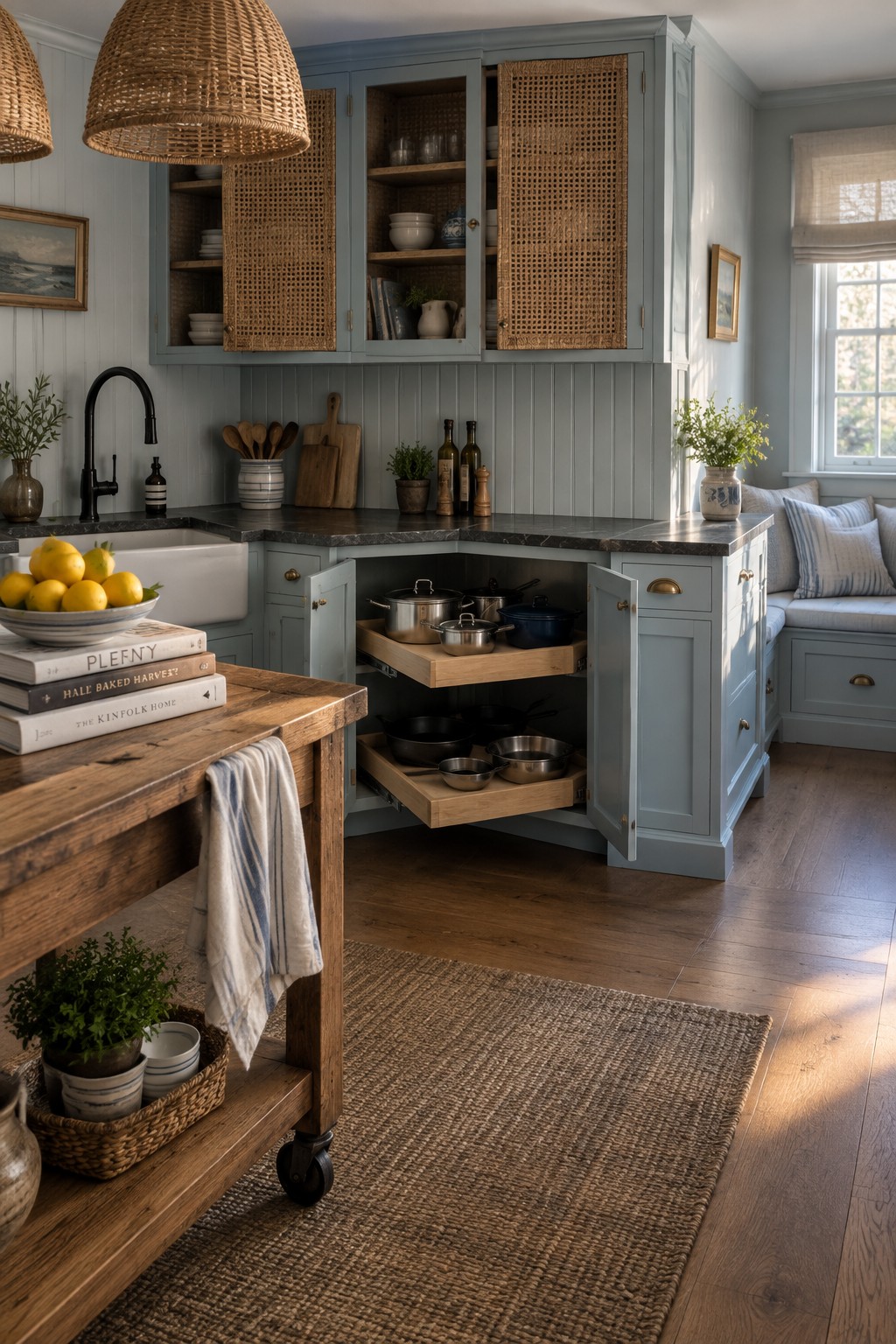
Deep corner drawers let you bring pots and pans out into the open instead of reaching into a dark cabinet. The cookware stays easy to see, and the wide trays make good use of space that can otherwise be awkward to access.
This setup works best in a kitchen where two cabinet runs meet. Use sturdy, full-extension hardware, and keep the heaviest pans on the lower drawer so it slides smoothly.
Add Pull-Out Bins to a Blind Corner
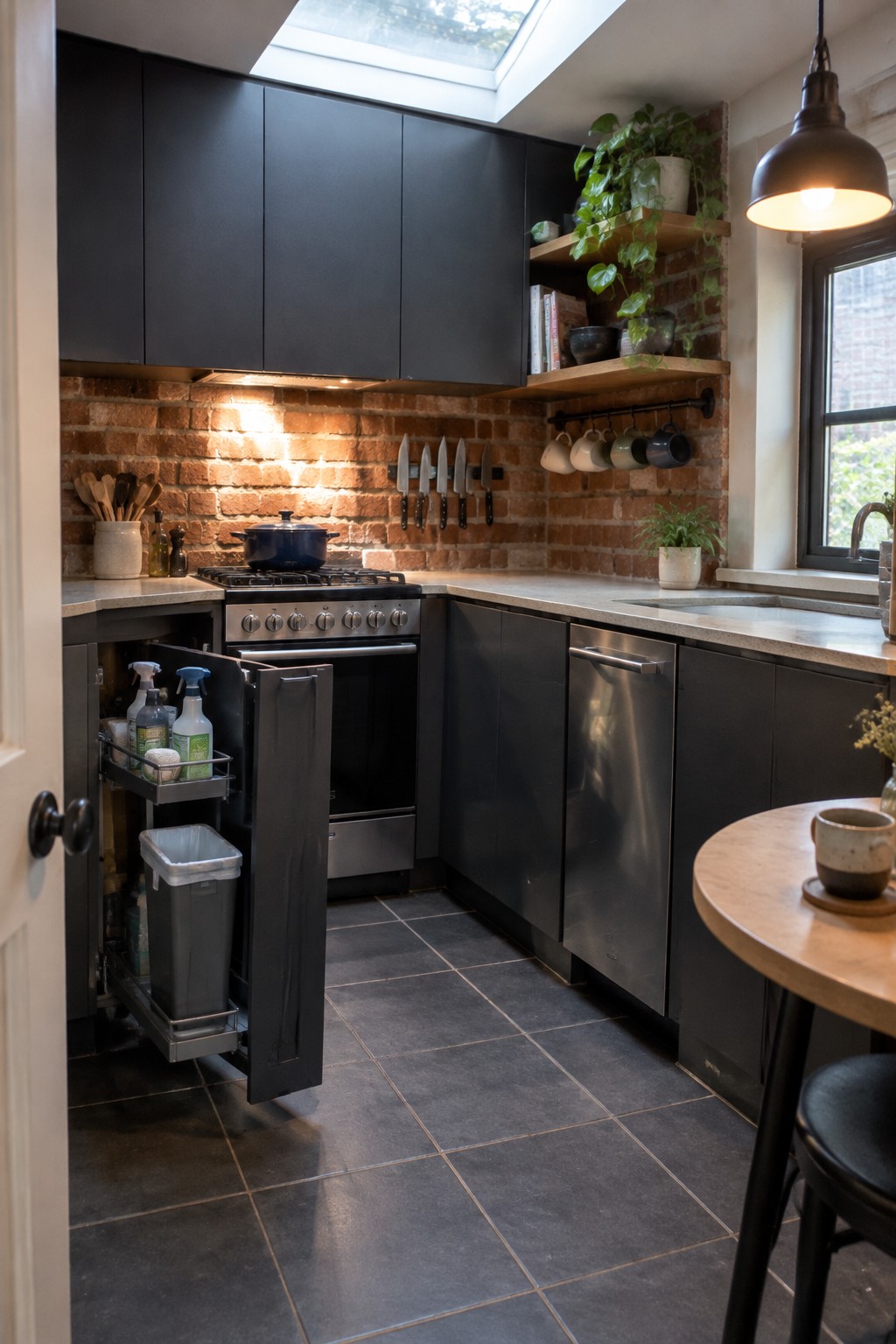
Pull-out storage can make a blind corner more useful by bringing tucked-away supplies into reach. In this kitchen, a narrow cabinet holds cleaning bottles and a tall bin on sliding racks, so those items don’t have to sit loose at the back.
This setup works well beside a sink or prep area where cleaning supplies are handy. Check the cabinet’s width and depth before choosing hardware, and leave enough clearance for the racks to slide out fully.
Add Pull-Out Shelves to a Blind Corner
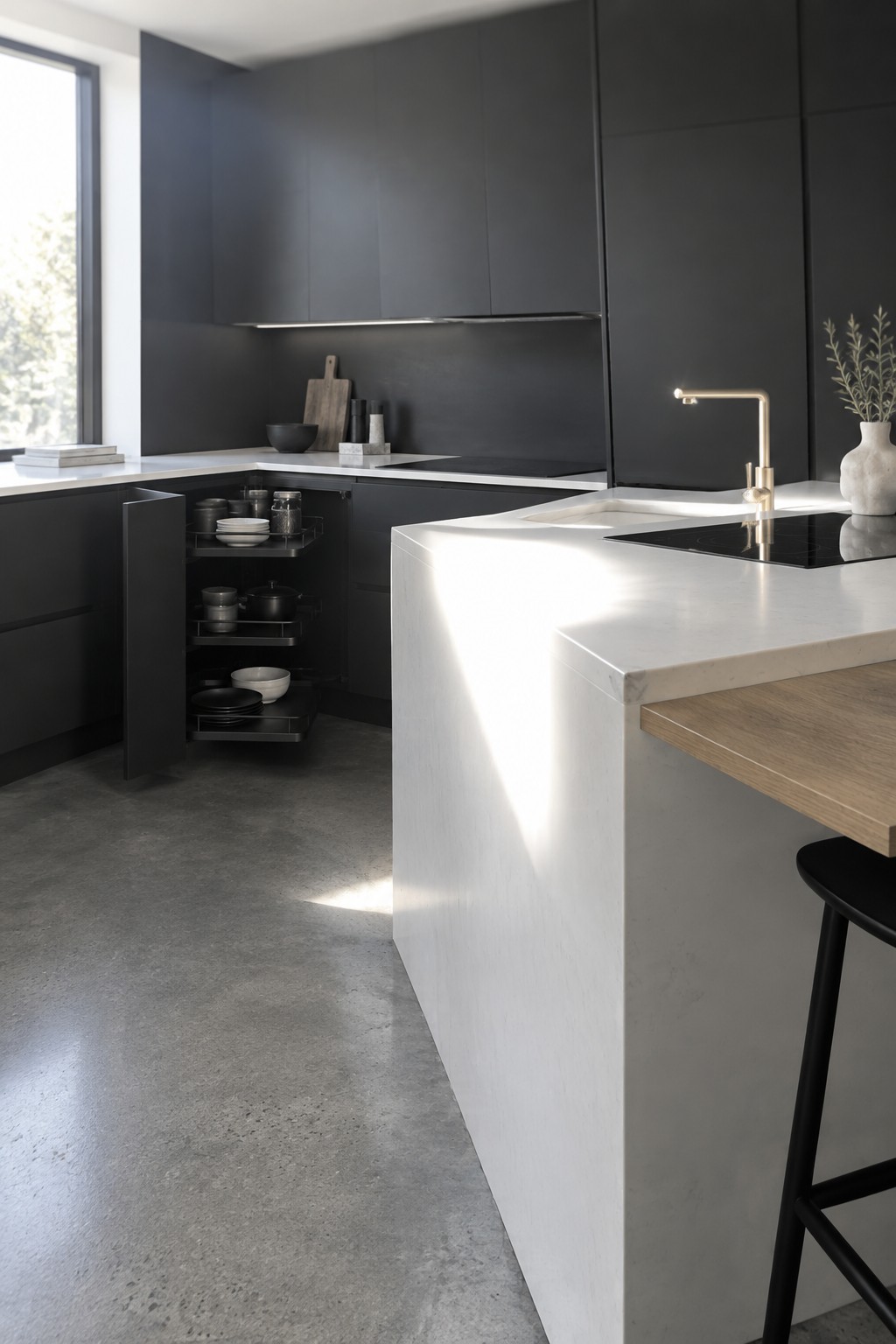
Pull-out shelves make a blind corner cabinet easier to use by bringing stored dishes out into the open. Instead of reaching past the cabinet frame, you can see and access more of what is inside.
This works well in an L-shaped kitchen where corner space can be awkward to reach. Choose shelves that fit the cabinet opening and leave enough room for cookware or dishes to slide out smoothly.
Turn a Blind Corner Into Useful Drawer Storage
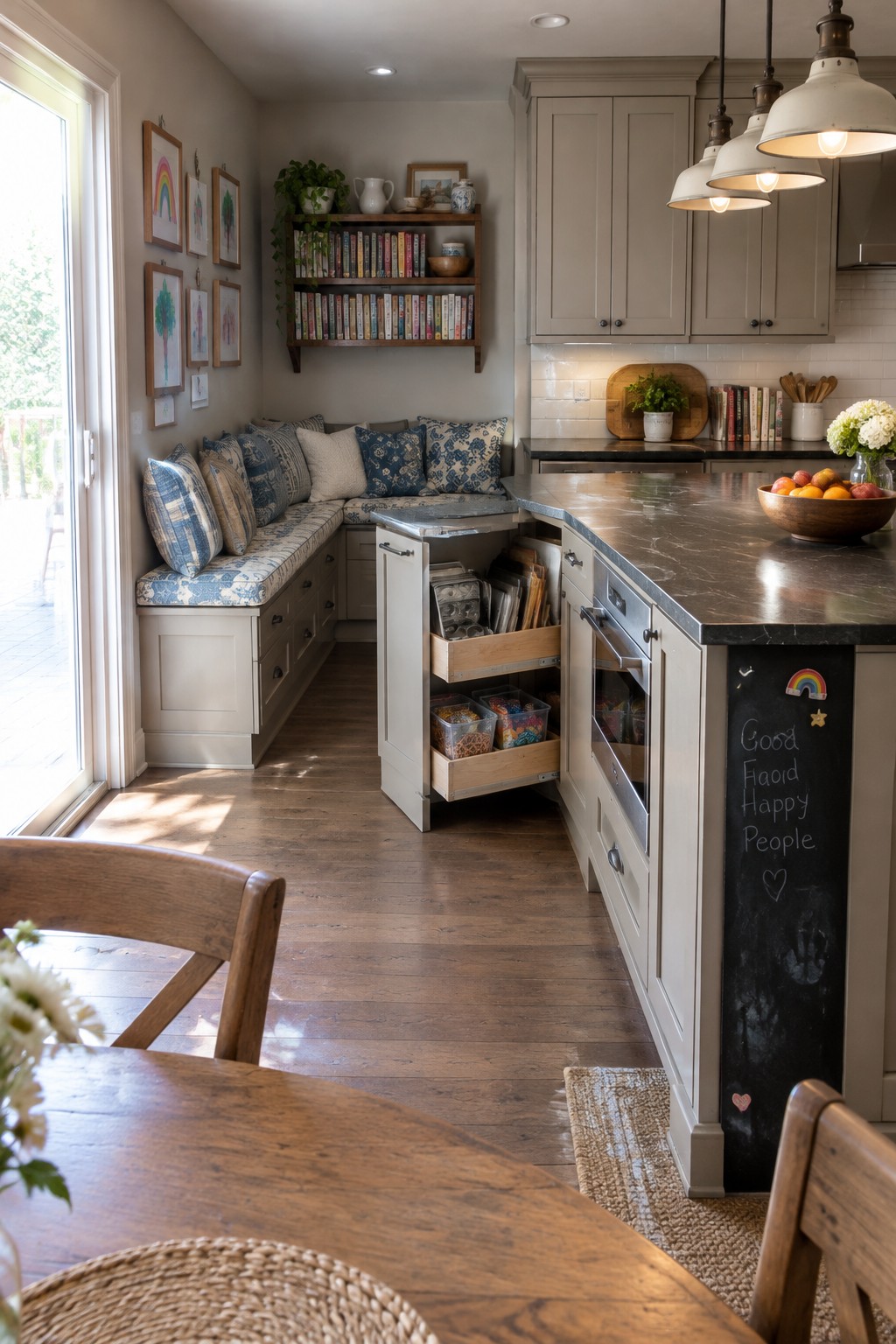
A blind corner can hold more than items pushed out of sight. Deep pull-out drawers bring stored goods forward, so you can reach them without leaning into a cabinet or moving everything at the front.
This setup works well where kitchen counters meet at a corner, especially when the drawers can be sized for the things you keep there. Leave enough room for them to open fully, and use sturdy slides for heavier supplies.
Use a Narrow Pull-Out Cabinet for Laundry Storage
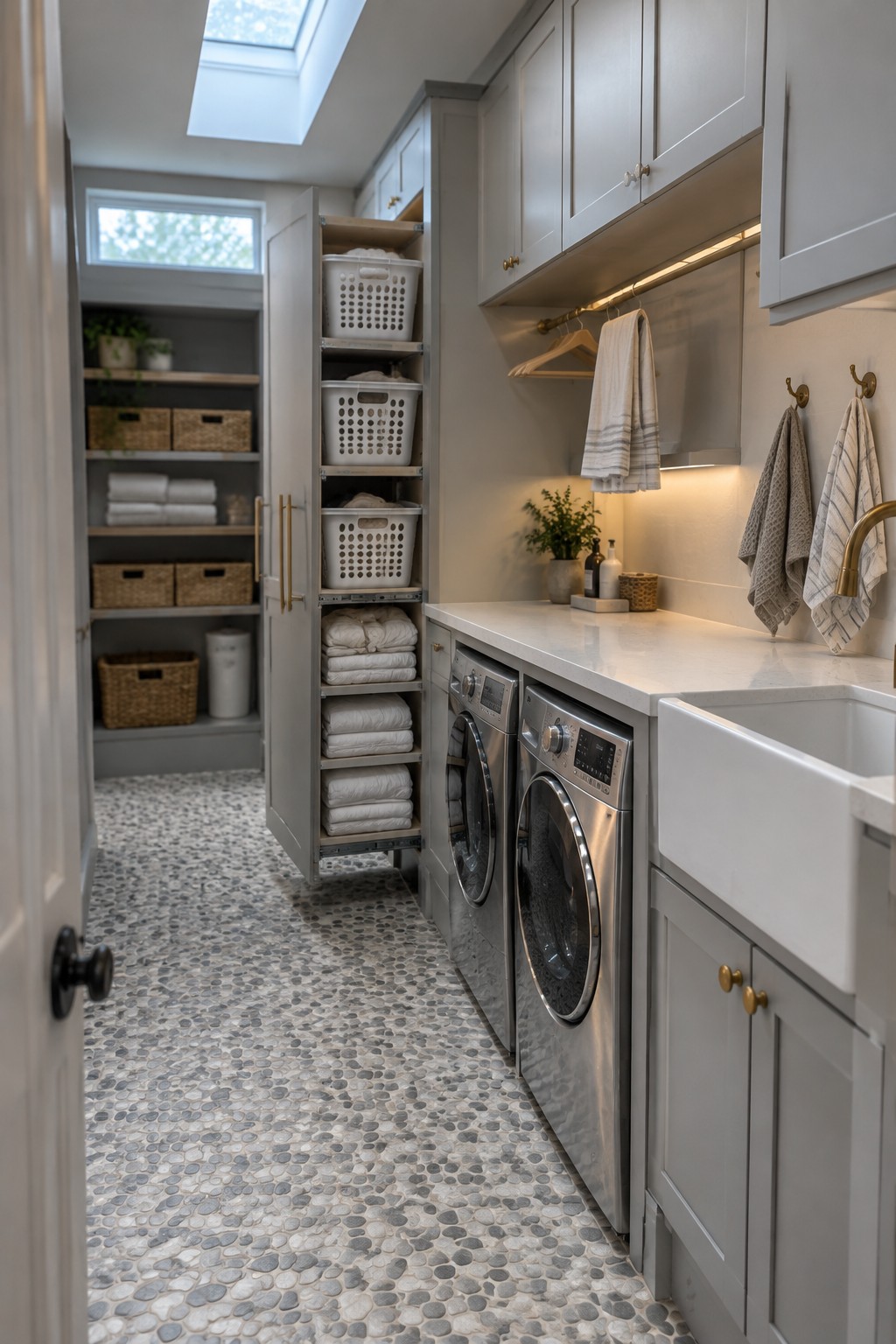
A slim pull-out cabinet can make use of the narrow space beside laundry machines. Shelves that slide forward keep baskets and folded towels easier to reach than they would be in a deep, fixed cupboard.
This idea works well in a laundry room where every bit of storage counts. Check the cabinet width and clearance before choosing a pull-out unit, and keep heavier items on the lower shelves.
Add a Narrow Pull-Out to an Awkward Corner

A narrow pull-out can make a deep corner cabinet much easier to use. Instead of reaching past the door to find what has slipped to the back, the shelves come out where everything is visible.
This approach works well in a bathroom vanity, where bottles and small supplies can be hard to keep in order. Check the cabinet opening and plumbing before choosing a unit, so the shelves can slide freely without hitting pipes or doors.
Add a Pull-Out Shoe Drawer to an Entryway
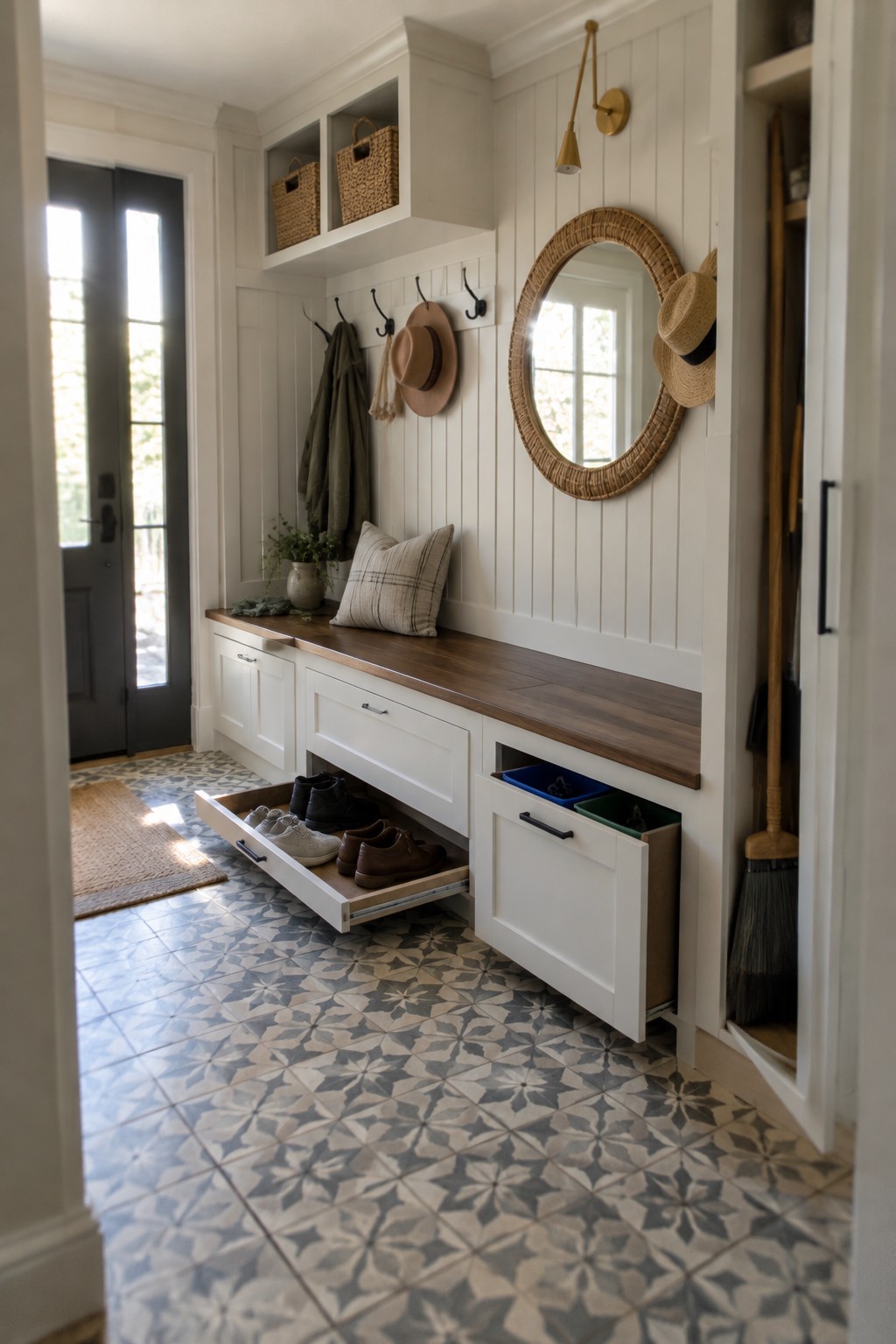
A pull-out drawer beneath an entry bench keeps everyday shoes close by without leaving them scattered on the floor. It is an easy idea to borrow for a narrow entry, where ordinary cabinet doors can be awkward to open.
Choose a drawer that slides out fully so shoes at the back are easy to reach. A shallow tray like the one shown works well for a small daily rotation, while a deeper cabinet may need divided shelves to keep pairs in place.
Use a Pull-Out Cabinet for Narrow Storage
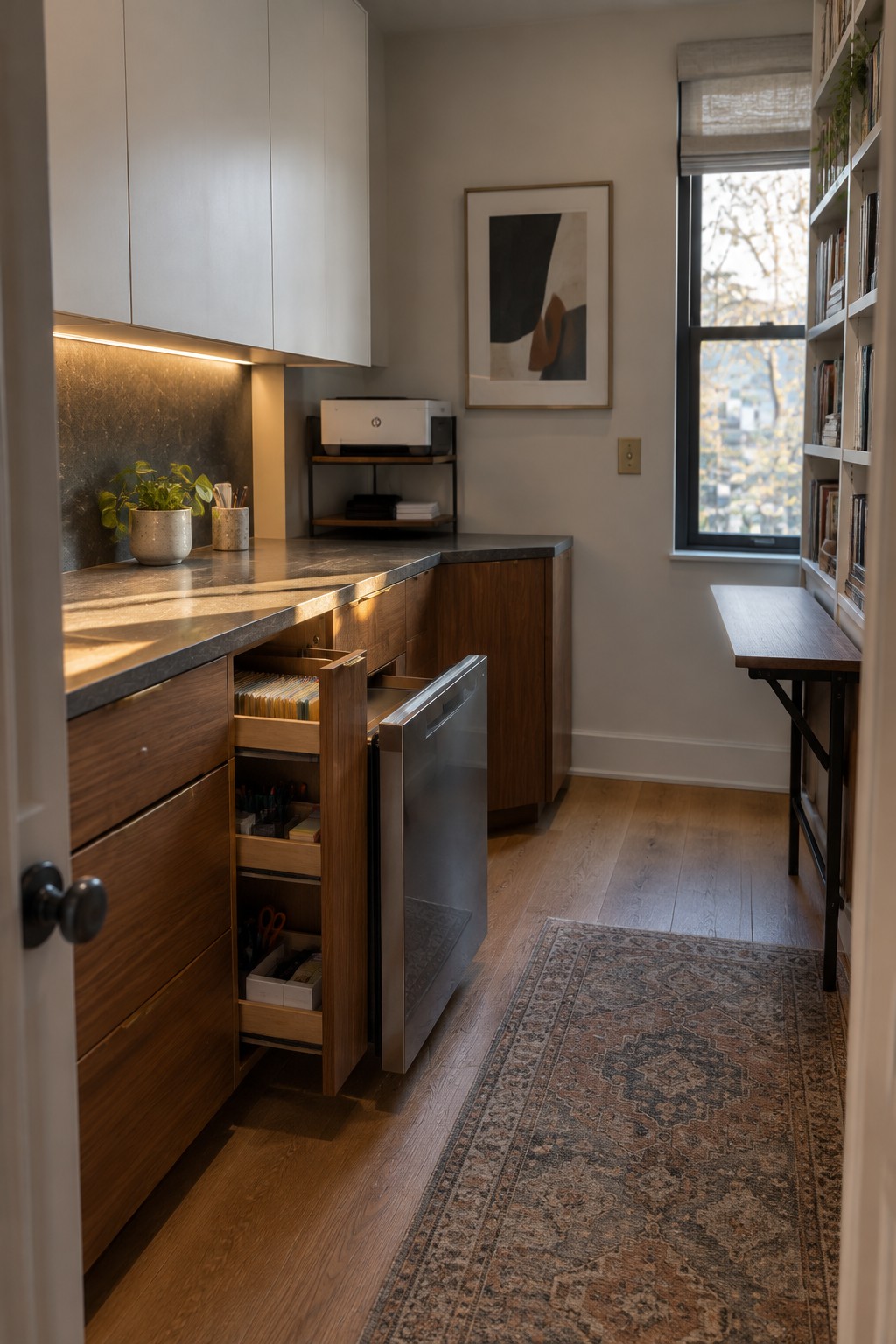
A pull-out cabinet can make a narrow stretch of kitchen storage much easier to use. Instead of reaching into a deep cupboard, you can slide the whole unit out and see supplies on its shelves.
This approach works well beside a dishwasher or at the end of a cabinet run, especially where a full-size cupboard would crowd the walkway. Keep frequently used items near the top and check that the pull-out clears nearby doors and appliances.
Use a Pull-Out Cabinet to Make a Bar Corner Useful
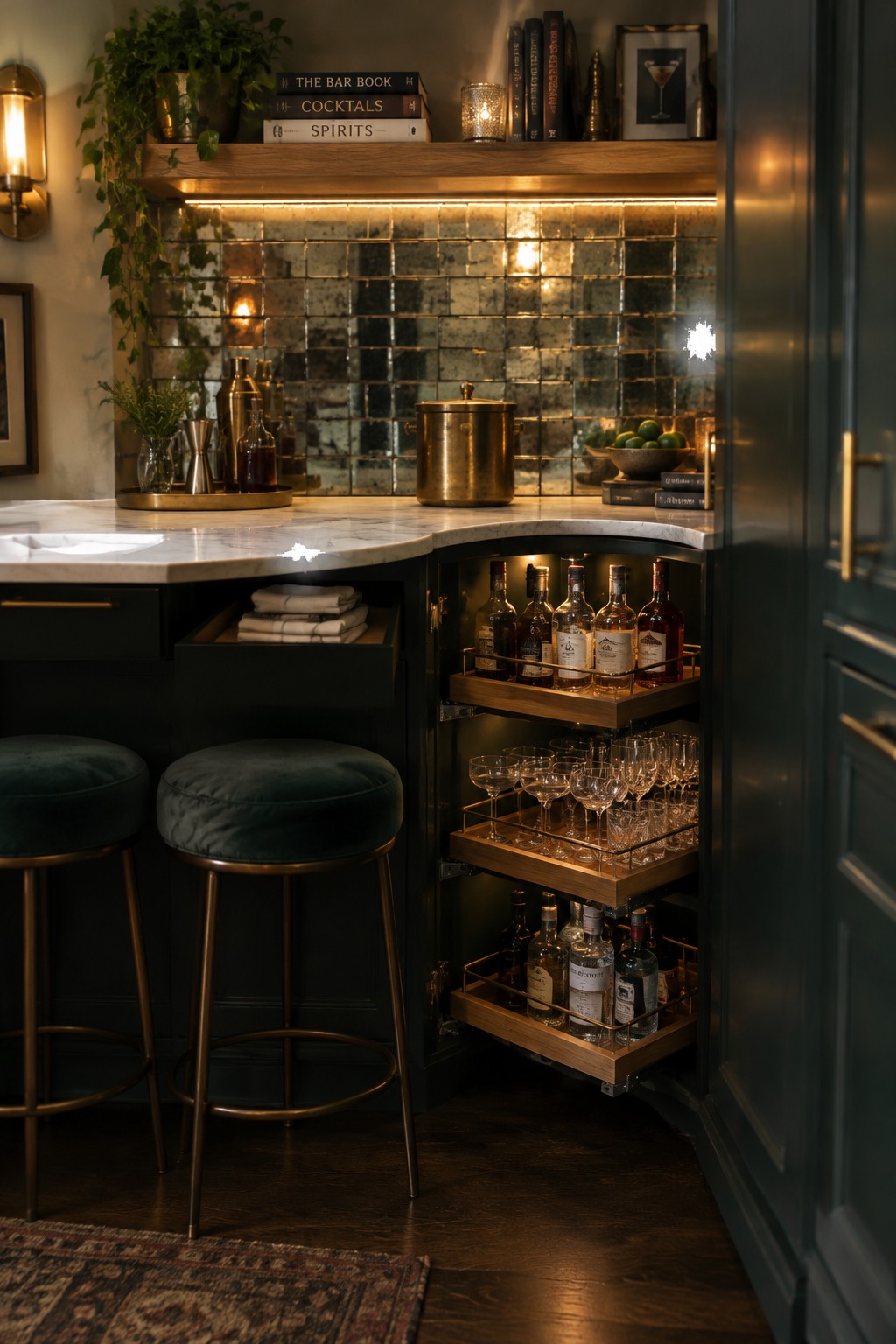
A blind corner can hold more than you might expect when the storage pulls out toward you. In a small home bar, tiered shelves keep bottles and glasses accessible instead of leaving them tucked behind the counter.
Measure the cabinet opening and the items you plan to store before choosing a pull-out system. It works best when the shelves can slide out fully and have enough clearance for bottles, especially in a tight corner.
Use a Tall Pull-Out Pantry Beside the Range
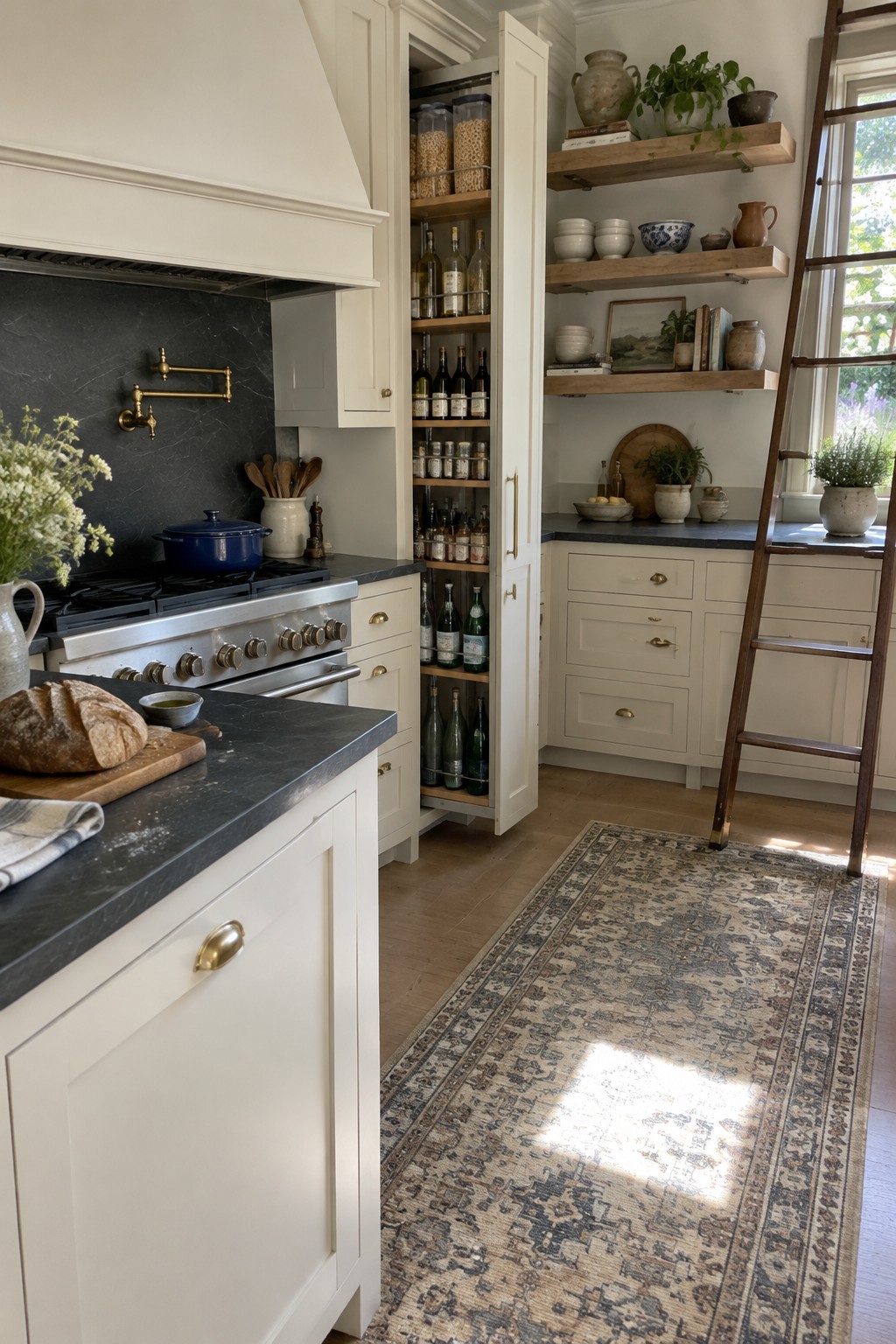
A slim pull-out pantry can make an awkward narrow gap useful, keeping everyday ingredients close to the stove without taking up much floor space. The tall, shallow shelves make it easier to see what is stored than a deep cabinet where items can get lost at the back.
This setup works well beside a range or at the end of a cabinet run. Keep frequently used bottles and pantry staples on reachable shelves, and check that the pull-out has enough clearance to open fully.
Use a Swing-Out Shelf for Blind Corner Storage
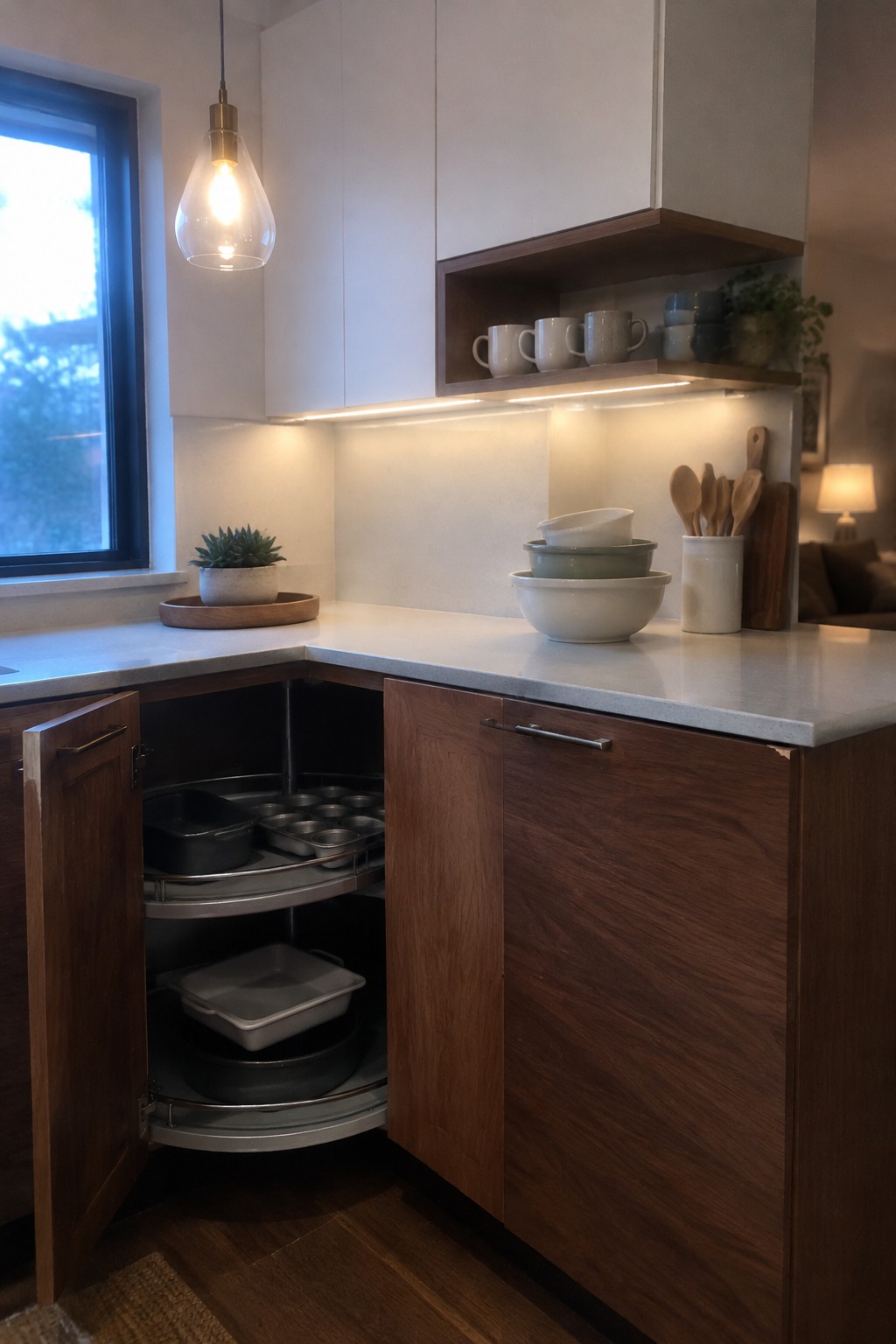
A swing-out shelf makes the awkward corner cabinet easier to use by bringing stored items out where you can reach them. It works especially well for cookware and baking pans that might otherwise get lost at the back.
Use the shelves for sturdy pieces you reach for often, and leave enough room for them to move freely when the cabinet opens. This kind of storage is useful in an L-shaped kitchen where a standard shelf would be hard to access.
Use a Pull-Out Drawer for Sorting Waste

A deep corner drawer can make recycling easier to manage without taking up counter space. Keeping paper and glass in separate bins means each one has a clear place, and the drawer brings them out when it is time to sort.
This setup works well in a kitchen where an awkward corner would otherwise be hard to use. Check that the drawer can open fully and that the bins are easy to lift out for emptying.
Store Small Appliances in a Corner Cabinet

A corner cabinet can hold the small appliances that take up valuable counter space. Shelves behind a wide door make it easier to group items together, while keeping them out of sight when they are not in use.
Use this setup for appliances you reach for often, such as a microwave or coffee maker. Leave enough room around each item for cords and ventilation, and make sure the shelves are sturdy enough for their weight.
Add a Pull-Out Breakfast Station to a Blind Corner

A pull-out shelf can turn an awkward corner cabinet into a handy spot for breakfast supplies. Here, the tray holds a mug, fruit, and juice, while the toaster sits in a nearby cabinet. Keeping these items together makes a small kitchen easier to use in the morning.
Use a sturdy, full-extension drawer so everything stays within reach, and check that there’s enough room to open it without blocking a walkway. This works especially well in a compact kitchen where counter space is limited.
Frequently Asked Questions
Q: Can I add pull-out storage to an existing blind corner cabinet?
A: Often, yes. Measure the cabinet opening, interior depth, and nearby door clearance before choosing a pull-out, since some systems need a wider opening than you might expect. If the cabinet has a center post or plumbing in the way, a simple shelf upgrade may be easier.
Q: What should I store in a blind corner pull-out?
A: Keep heavier pots, pans, and mixing bowls on the sturdier lower shelves. Put lighter or less-used items toward the back so you can pull everything out without knocking things over.
Q: How do I stop a pull-out from scraping the cabinet door?
A: Check the hardware’s clearance requirements and measure with the door fully open. A small gap around the pull-out matters, especially if your doors have thick frames or unusual hinges.
Q: Is a pull-out worth it if I only use the cabinet for a few things?
A: It can be, if those things are awkward to reach or easy to forget. If you rarely use the corner, a couple of fixed shelves may be simpler and less expensive.