

Some links on this page are affiliate links (for example Amazon). If you buy through them I may earn a small commission, at no extra cost to you. How this works.
Brick lasts for generations, which is great until you are tired of its color. Orange-red brick from the 1970s, a patchwork of mismatched repairs, or a dark brown that makes the house feel heavy are all common reasons people want a change. The good news is that you have more options than plain paint. The catch is that some of them are hard or impossible to undo, so it pays to understand each one first.
This guide compares the four main methods, explains the prep that every method needs, and covers when to bring in a professional.
The four methods at a glance
| Method | Look | Breathability | Reversibility | Upkeep |
|---|---|---|---|---|
| Masonry paint | Solid, opaque color | Depends on paint; mineral and breathable masonry paints are best | Very hard to remove | Repaint every several years |
| Limewash | Soft, chalky, slightly see-through | High, it is mineral-based | Wears away gradually; can be scrubbed off when fresh | Fades and weathers over time, which is part of the look |
| Brick stain | Changes color but keeps the texture and variation | High, it soaks into the brick | Effectively permanent | Very low |
| German smear (mortar wash) | Old-world, rough, with brick peeking through | Good | Permanent once cured | Low |
Option 1: Painting brick
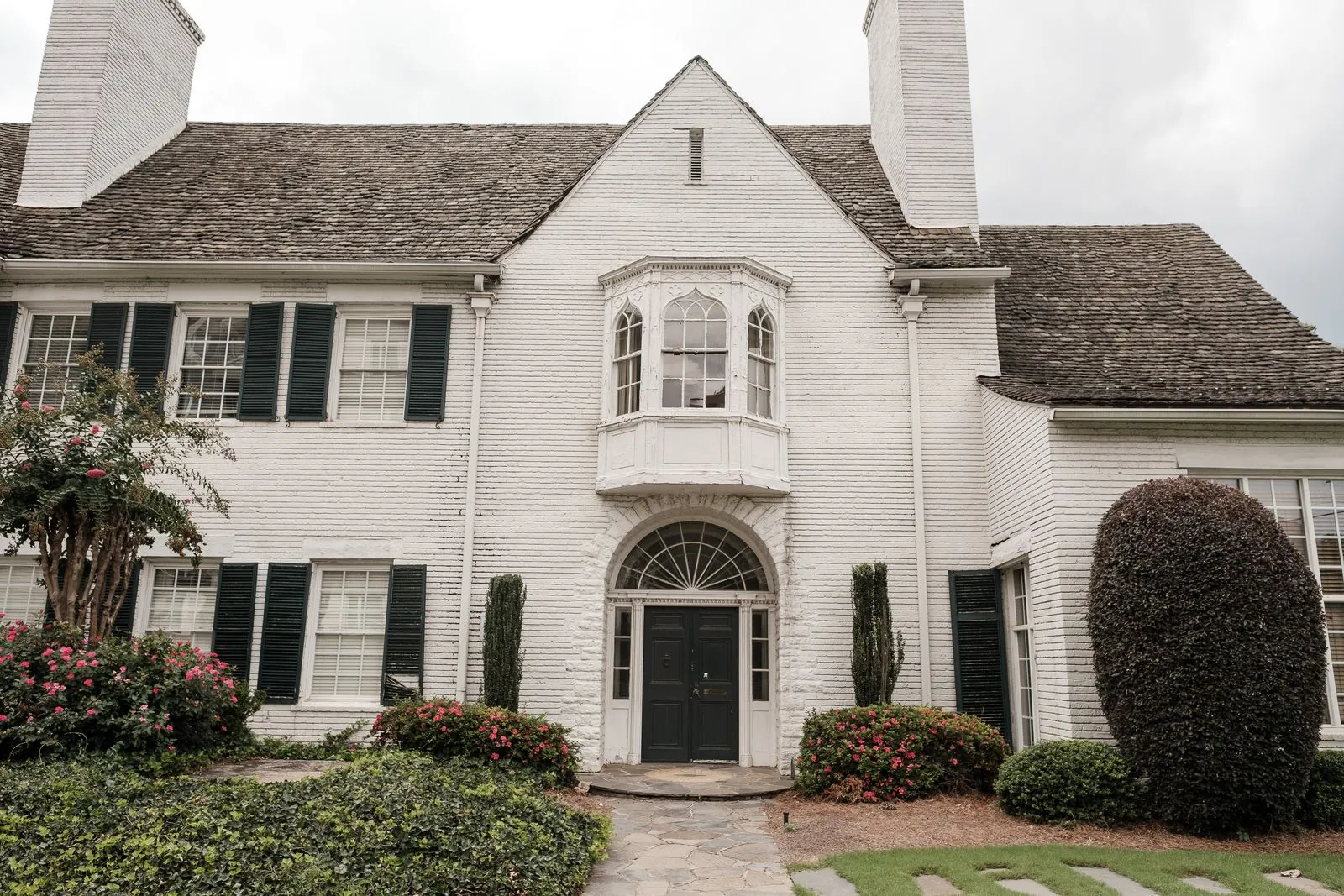
Paint gives the biggest change, whether to white, gray, navy, black or anything else. It is also the one that is hardest to reverse. Stripping paint from brick is slow, messy and expensive.
Do it right:
- Use a paint made for masonry. Breathable mineral (silicate) paints or acrylic masonry paints rated for brick allow moisture to escape. Ordinary exterior paint can trap moisture and peel.
- Make sure the brick is fully dry, with no active leaks, rising damp or efflorescence (white salty deposits) before painting.
- Prime with a masonry primer if the paint manufacturer recommends it.
Good for: dated, mismatched or patched brick where you want a complete change.
Option 2: Limewash
Limewash is made from slaked lime and water, often tinted with mineral pigments. It soaks into the surface and dries to a soft, chalky finish that lets some of the brick show through. Over years it weathers away, especially where rain hits hardest, giving an aged look.
Do it right:
- Wet the brick before applying, so the limewash does not dry too fast.
- Apply with a large masonry brush, working in sections.
- If you want more brick to show, you can wash some limewash off with water while it is still fresh.
Good for: a softer, European or farmhouse look, and for people who might change their mind, because it fades rather than peels.
Option 3: Brick stain
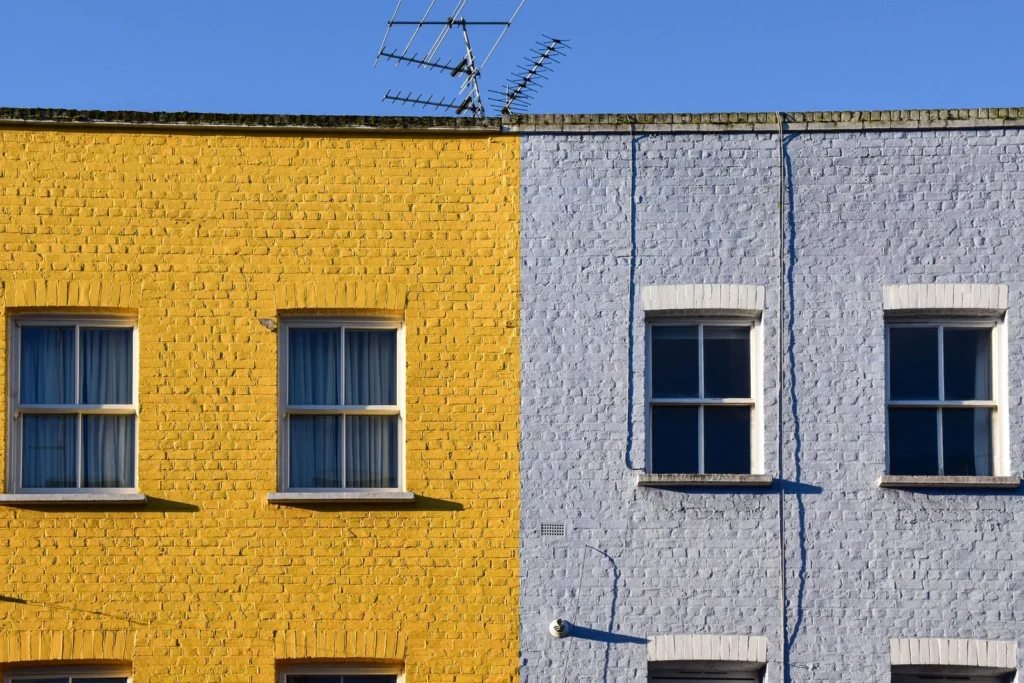
Brick stain is a thin, breathable coloring that soaks into the brick instead of sitting on top. It can change red brick to brown, gray or a more even tone while keeping the natural texture and variation that makes brick look like brick. It is also used to blend in new bricks after a repair.
Do it right:
- Test on a hidden area first. Stain looks different on each brick depending on how porous it is.
- It is applied brick by brick or with a sprayer and brushes. On a whole house, this is often a job for a specialist, because consistent results take practice.
Good for: people who like brick but not its color, and for matching repairs or additions.
Option 4: German smear
German smear is a mortar wash. A thin layer of wet mortar is spread over the brick and partly wiped off, leaving a rough, whitewashed look with some brick visible. It is popular on ranch houses and fireplaces.
Do it right:
- Practise on a sample board or a hidden wall first. The amount you wipe off decides the final look, and it is hard to adjust later.
- Use a mortar mix suitable for your brick. Ask a masonry supplier if you are unsure.
Good for: a textured, old-world look. Treat it as permanent.
Prep for every method
- Inspect the brick and mortar. Repoint crumbling mortar joints and replace cracked bricks first. Covering damage just hides it.
- Fix moisture problems. Check gutters, downspouts and grading. Water problems will ruin any finish.
- Clean the walls. Remove dirt, mildew and efflorescence with a masonry cleaner and a stiff brush or a gentle low-pressure rinse. High-pressure washing can damage soft brick and mortar.
- Let it dry fully, often several days in dry weather.
- Protect windows, plants and walkways.
Choosing a color
Look at what is fixed: the roof, window frames and any stone. White and off-white suit black or charcoal roofs. Warmer creams suit brown roofs. Grays and greige are a safe middle ground. Our guide on matching roof shingles to your house color explains how to read undertones, and our brick stain exterior ideas and brick ranch makeover ideas show finished houses using each approach. For how bloggers settled on their final shades, see how home bloggers chose their paint colors.
DIY or professional?
A small wall, a fireplace or a single-story section is a reasonable DIY project with any of these methods. For a two-story house, historic brick, or stain on a whole facade, a professional is usually worth it. They have scaffolding and experience with consistent results, and they can spot moisture issues before you seal them in. If your home is in a historic district or has an HOA, check the rules first, as some do not allow painting brick.
Budget and timing
Costs vary widely with the size of the house, the method and whether you hire out the work. As a general pattern, DIY limewash and German smear are mostly labor plus inexpensive materials; paint costs more in materials and coats; and professional brick staining is usually the priciest per square foot because it is skilled, detailed work. Get at least two quotes for any professional job, and ask each contractor which method they recommend for your specific brick and why.
Plan the work for a dry spell with mild temperatures. Most products have minimum and maximum temperatures on the label, and rain soon after application can wash out limewash or spoil fresh paint.
Frequently asked questions
Can painted brick be returned to natural brick?
It is difficult. Paint stripping on brick is slow, messy and can damage the surface. Treat paint as permanent when you decide.
Does painted brick need more maintenance?
Usually yes. Paint needs touching up and repainting over the years, while unpainted brick mostly needs occasional cleaning and mortar repairs.
Will painting brick cause damage?
It can if the wrong paint traps moisture, or if the brick already has water problems. Breathable masonry paint on dry, sound brick reduces the risk.
How long does limewash last?
It depends on climate and exposure. Many homeowners touch it up every several years. Its gradual fading is part of the appeal.
Can I go back to natural brick later?
After paint or German smear, not easily. Limewash is the most forgiving if you are unsure.