

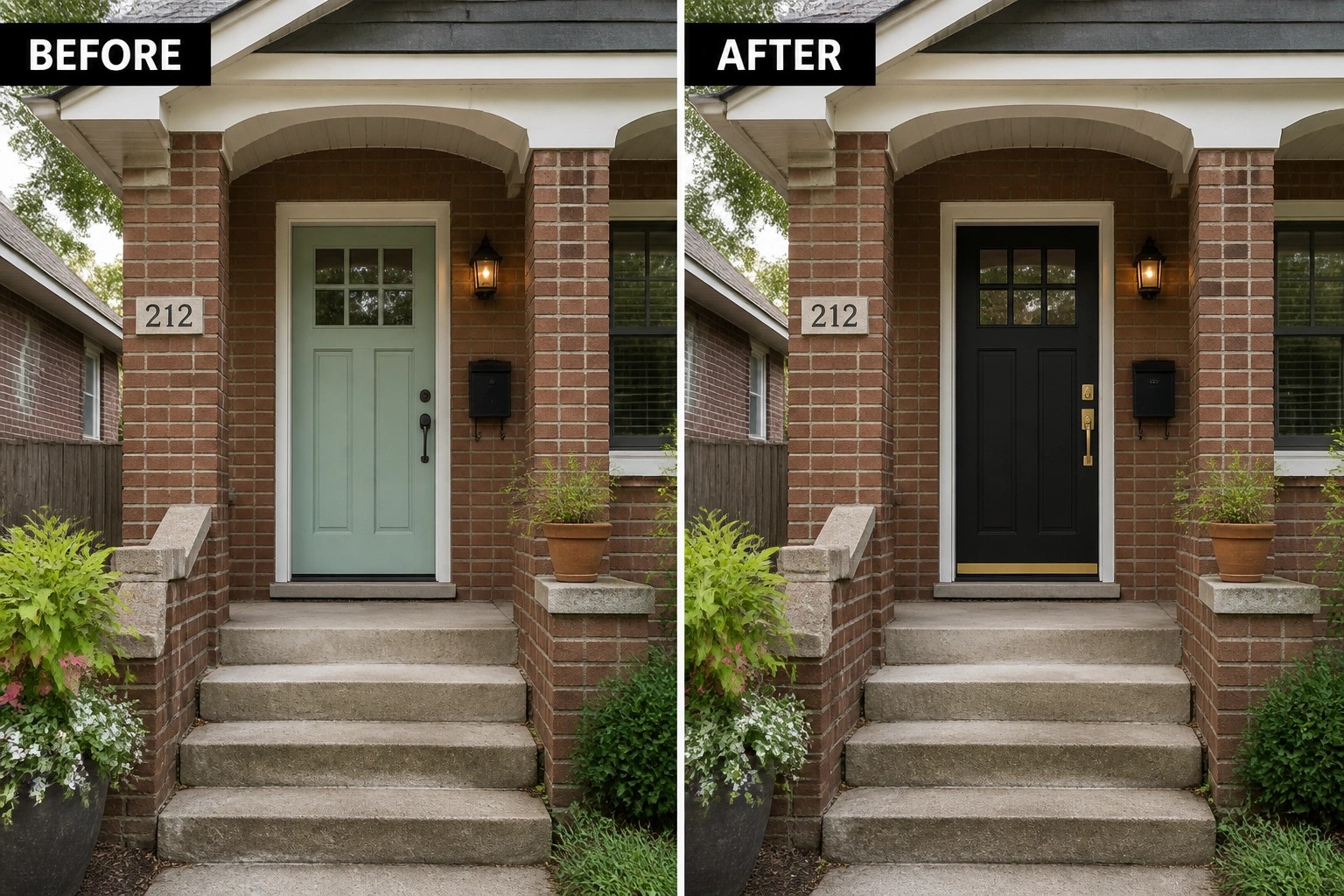
As someone who loves old brick houses, I’m always struck by how a few thoughtful updates to a porch or front entry can change the whole face of a home.
A new door color, replaced railings, neater plantings, or updated light fixtures can make a tired facade read as cared for and well balanced.
Little fixes matter.
I usually try one practical change first, such as adding a covered bench or improving the path, because seeing how people use the entry helps me pick what comes next.
Some ideas are weekend-friendly while others deserve more planning, but each shows how attention at the porch can lift curb appeal without a full renovation.
Give A Bare Porch A Clear Purpose
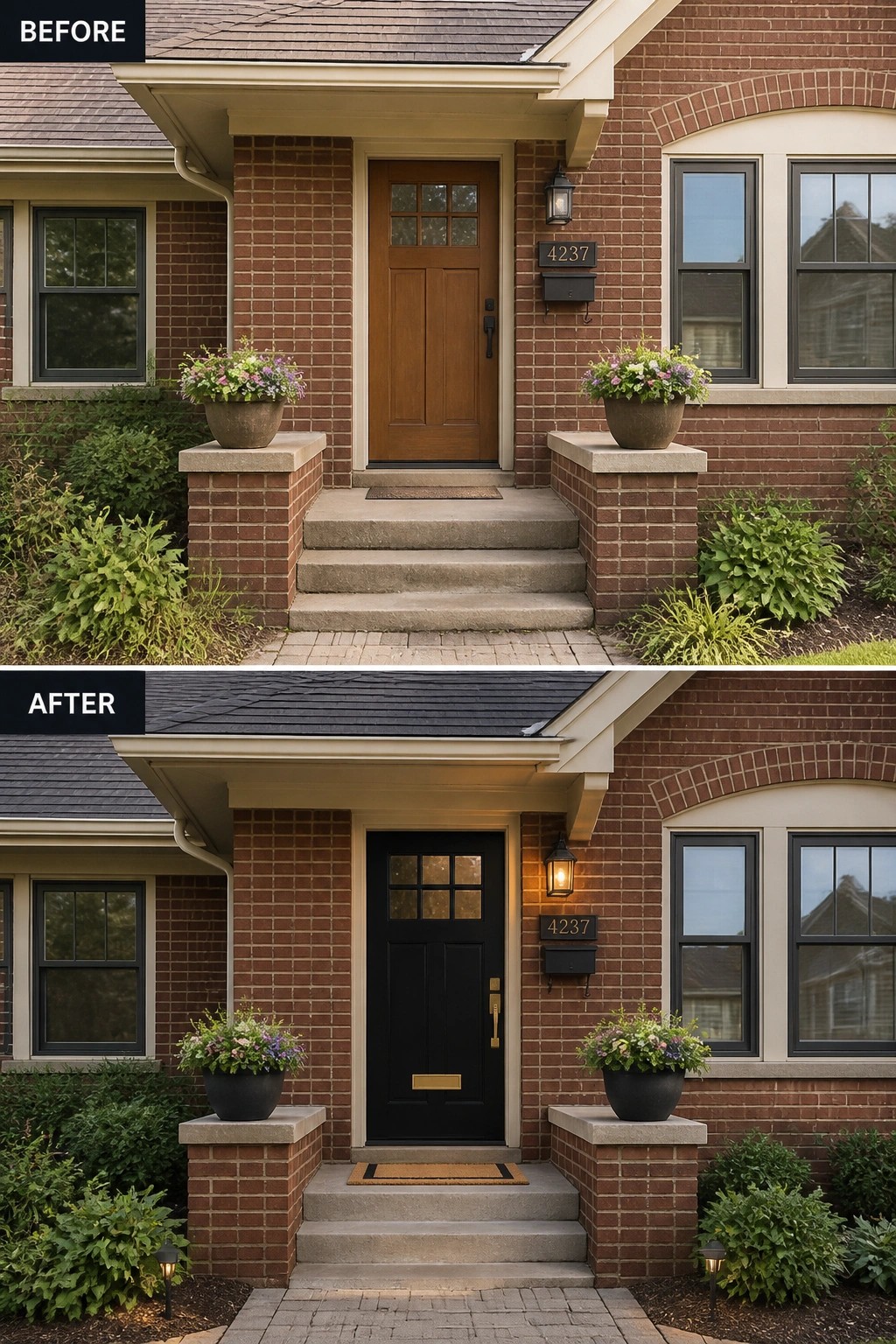
A simple front-entry refresh can do most of the curb-appeal work without a major renovation. In this example a plain wooden door was painted black and fitted with brass hardware, then paired with a warm wall lantern, matching planter pots, and a doormat to make the doorway read as a single, finished focal point. That contrast and a couple of well-chosen accessories turn an anonymous step into a purposeful entry.
To copy this idea, start with one bold change—a door color that contrasts the brick—and build around it with two matching accents, such as metal hardware and a light fixture in the same finish. Keep the scale right for your porch: one or two symmetrical planters, a weatherproof mat, and small path lights are enough. Use exterior-grade paint and fixtures, test the color in daylight, and leave room for people to pass comfortably so the styling never gets in the way.
Refresh A Neglected Stoop With Simple Repairs
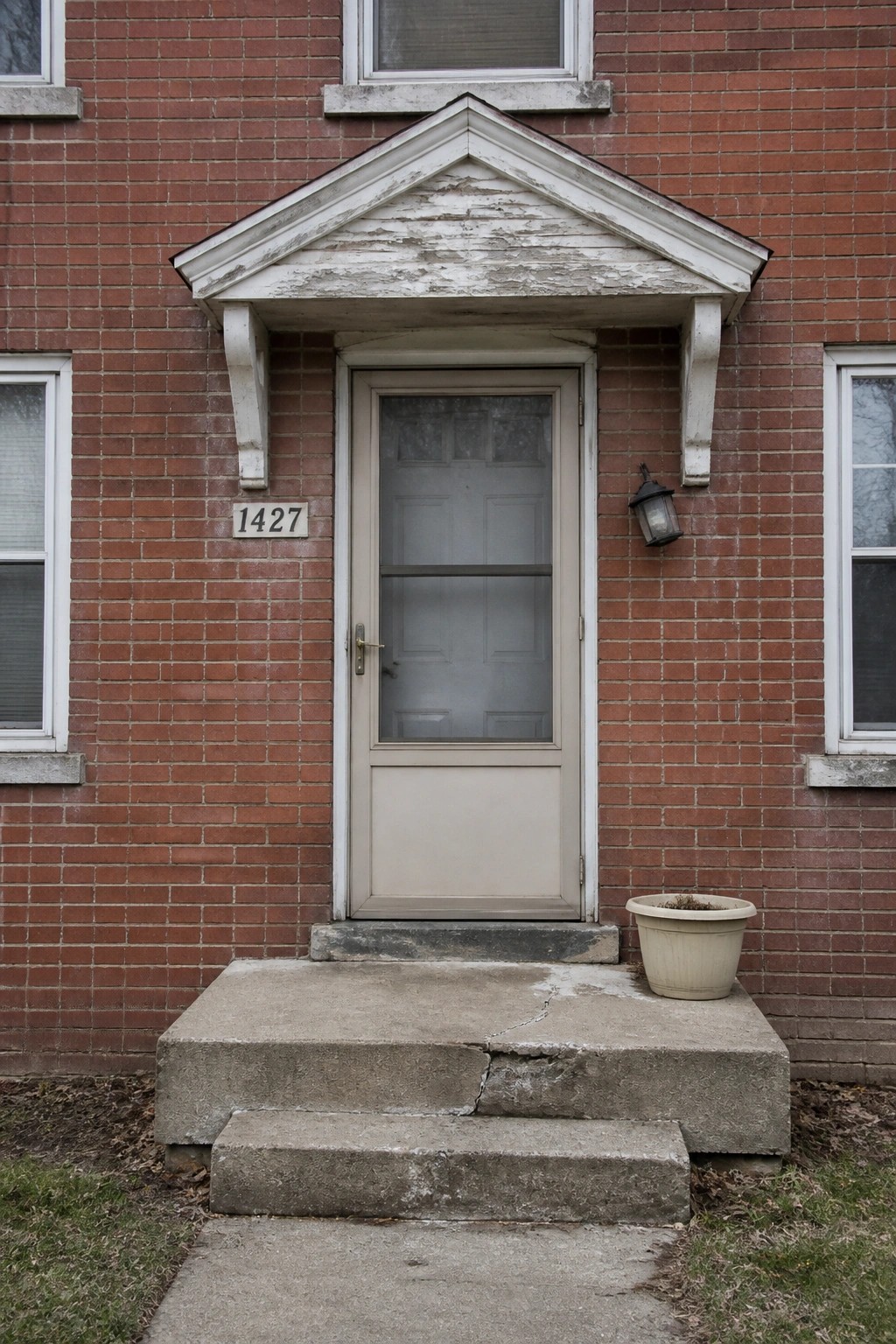
Small, focused fixes can turn a neglected stoop into a useful front entry without a full remodel. In this example the owner repaired the cracked concrete, refreshed the peeling trim, and added a simple planter to define the doorway — those few moves make the porch read as an intentional entrance instead of leftover space.
To copy this, start with the basics: fix any safety issues and clean or repaint trim so the door looks cared for. Then pick one or two durable elements to anchor the spot, such as matching planters or a weatherproof light and a doormat; keep scale modest so the step stays usable. This approach works well for older brick houses and small porches where you want an immediate curb-appeal lift without a big budget.
Use Symmetry And Planters To Define Your Entry
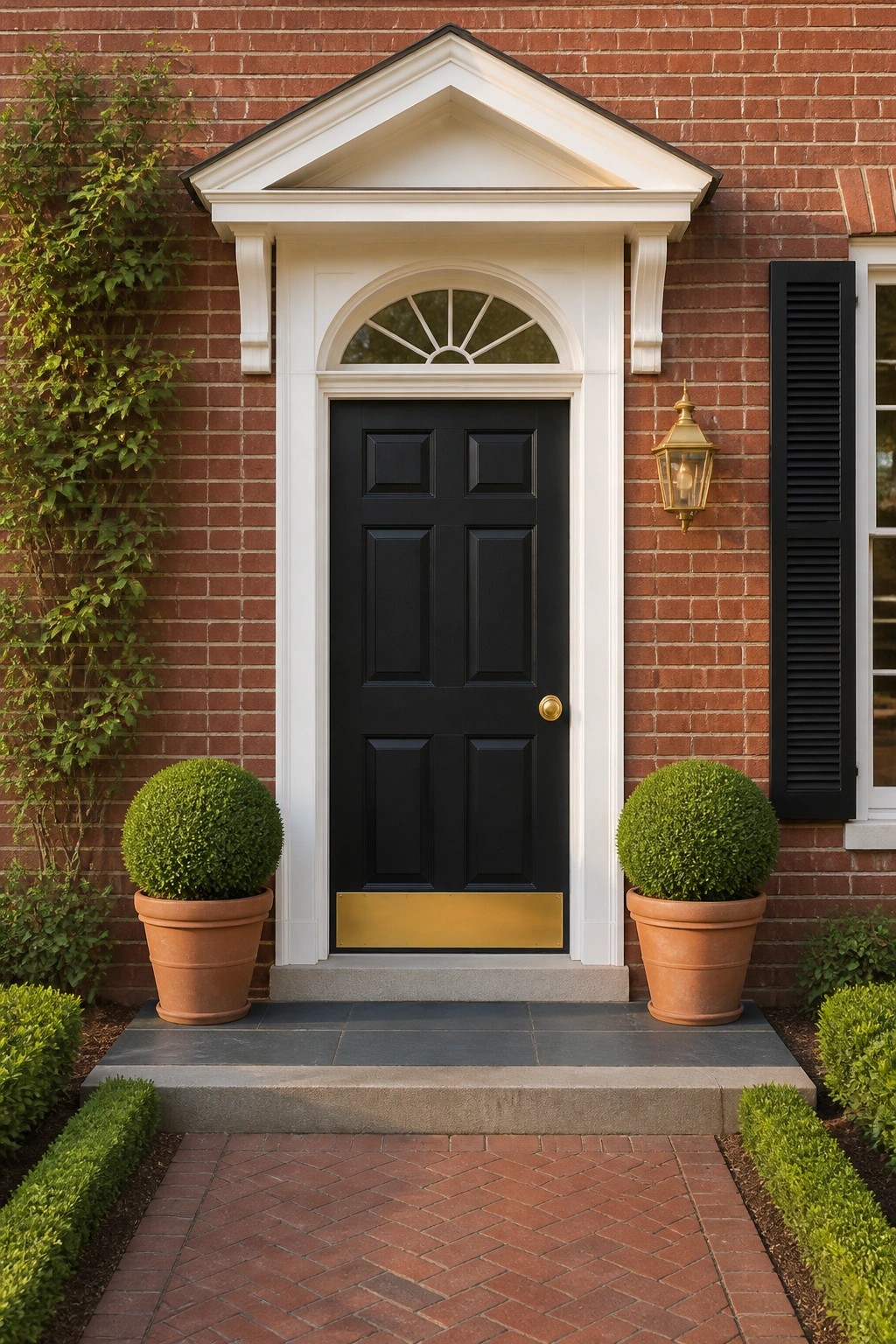
A simple way to turn an undecorated porch into a clear, welcoming entry is to add balanced elements that give the doorway purpose. In this update a dark painted door with brass hardware is anchored by a pair of matching terracotta planters with neatly clipped boxwoods, and that single move makes the whole approach read as intentional rather than leftover space.
Do it yourself by choosing one or two repeatable elements and keeping them proportional to the door and steps. Use tall or sculpted evergreens in suitably sized, weatherproof pots so the planting holds up year round, leave enough room for the door to open, and tie the look together with one consistent finish for hardware or lighting. Small, simple, and symmetrical often looks more planned than lots of scattered decor.
Make The Fireplace Wall The Main Feature
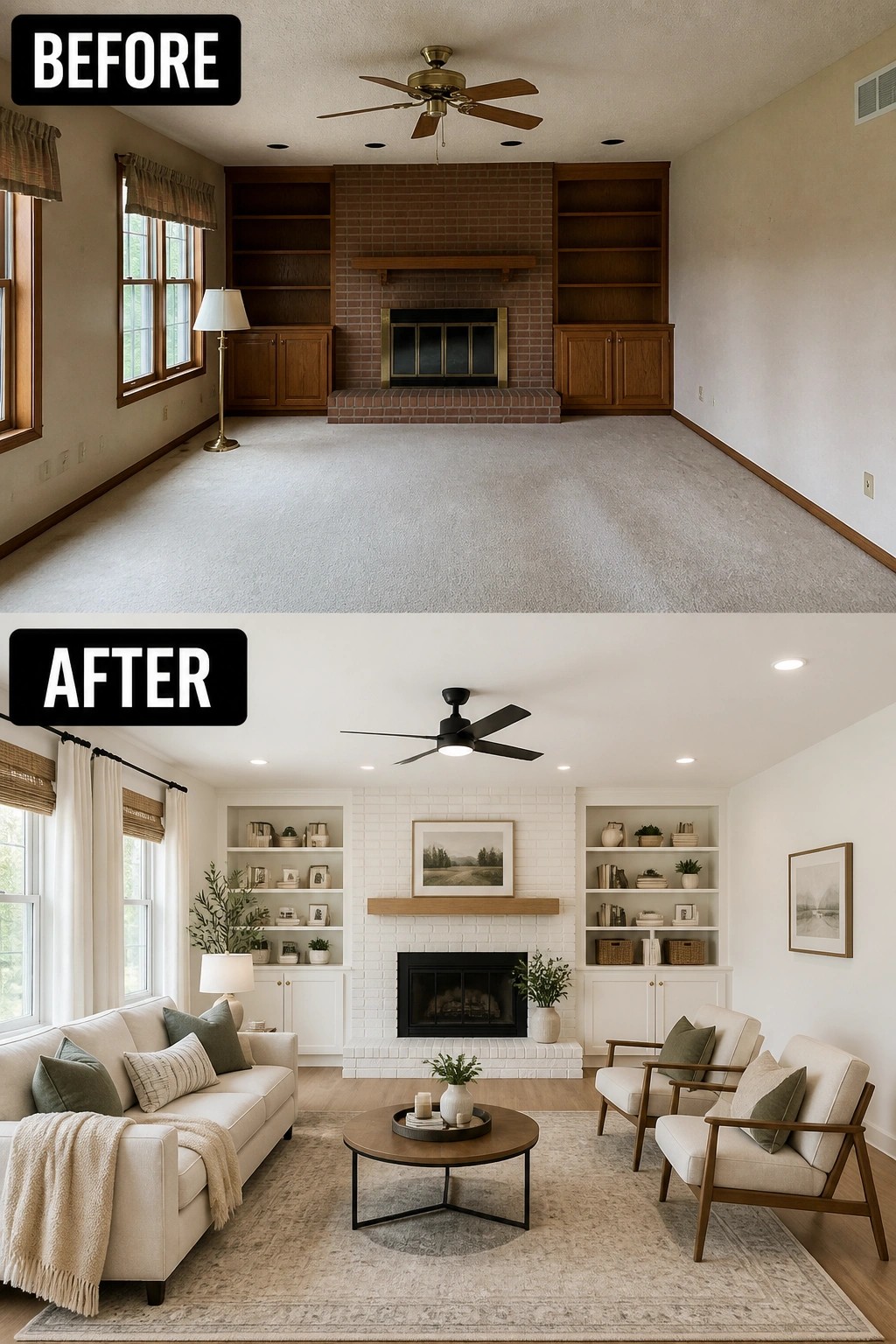
A tired living room becomes purposeful when you treat the fireplace wall as the room’s anchor. In this example the brick was painted a soft white and the flanking cabinets and shelves were lightened and styled, then seating and a rug were arranged to face the new focal point. Those two moves—brightening the masonry and defining a centered seating zone—give the whole space instant cohesion.
To copy it, start small: paint or whitewash the brick (use heat-safe products near the opening) and refresh the built-ins with a matching paint color or new hardware. Add a simple mantel or shelf, place a rug and sofa so people naturally face the fireplace, and keep accessories scaled to the shelf depth so the wall reads calm rather than cluttered. It works for older homes with dated brick and for any room that needs a clear focal point.
Guide Visitors With A Curved Path And Tidy Planting
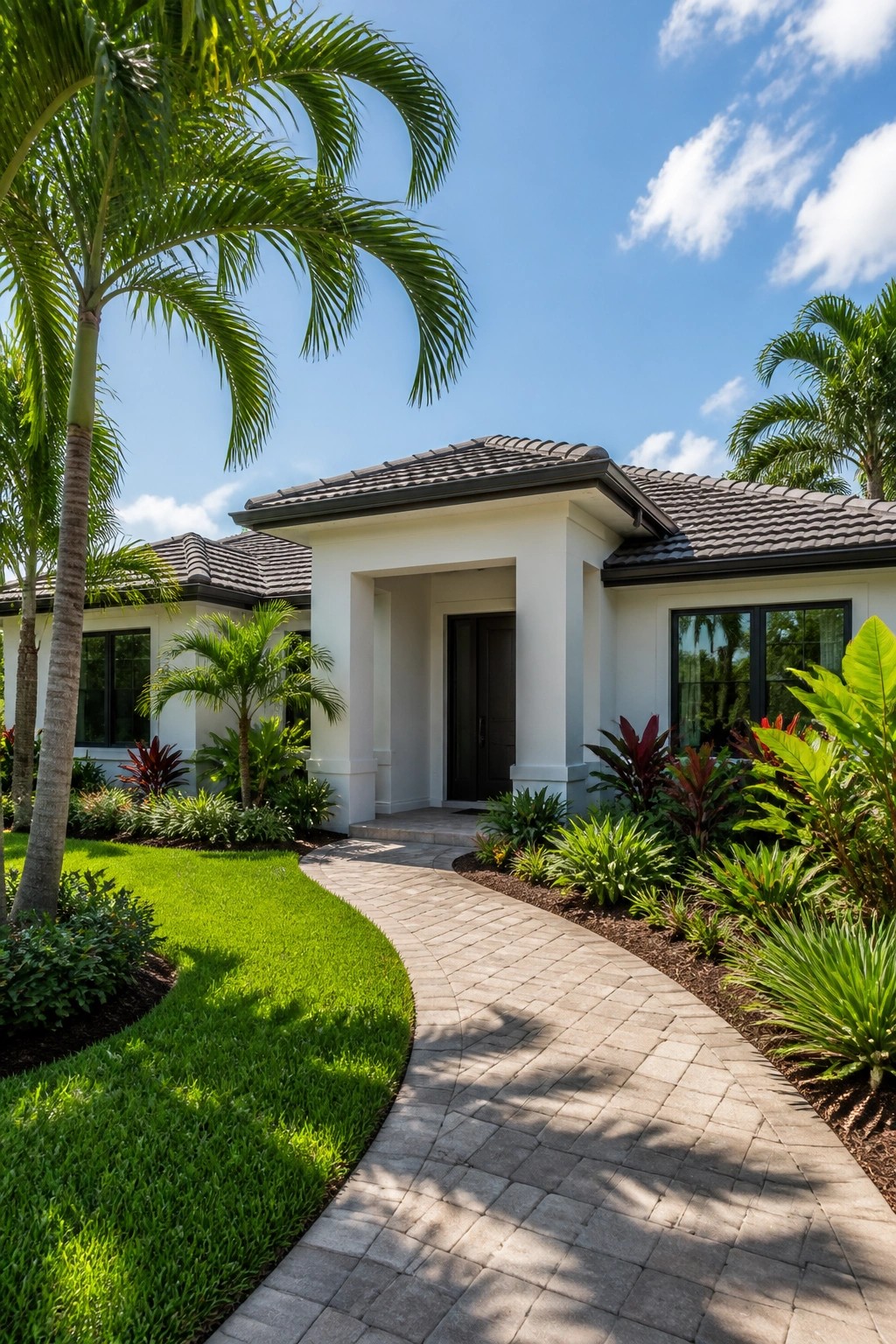
A plain entry becomes useful the moment you give it a clear approach and a frame. Replacing an undefined lawn edge with a curved paver path and tidy planting beds turns the door into a destination, guiding visitors and making the porch feel intentional instead of accidental.
To copy this idea, pick one hardscape material that complements your house and lay a simple path that leads the eye to the door. Define beds with edging and mulch, then layer low plants near the path and slightly taller specimens closer to the porch so the view opens as you approach. Keep plant scale in check so the door stays visible, allow enough room for people to pass, and add a pair of planters or a light or two if you want a little extra polish (start small).
Update Your Front Entry With Color And Pattern
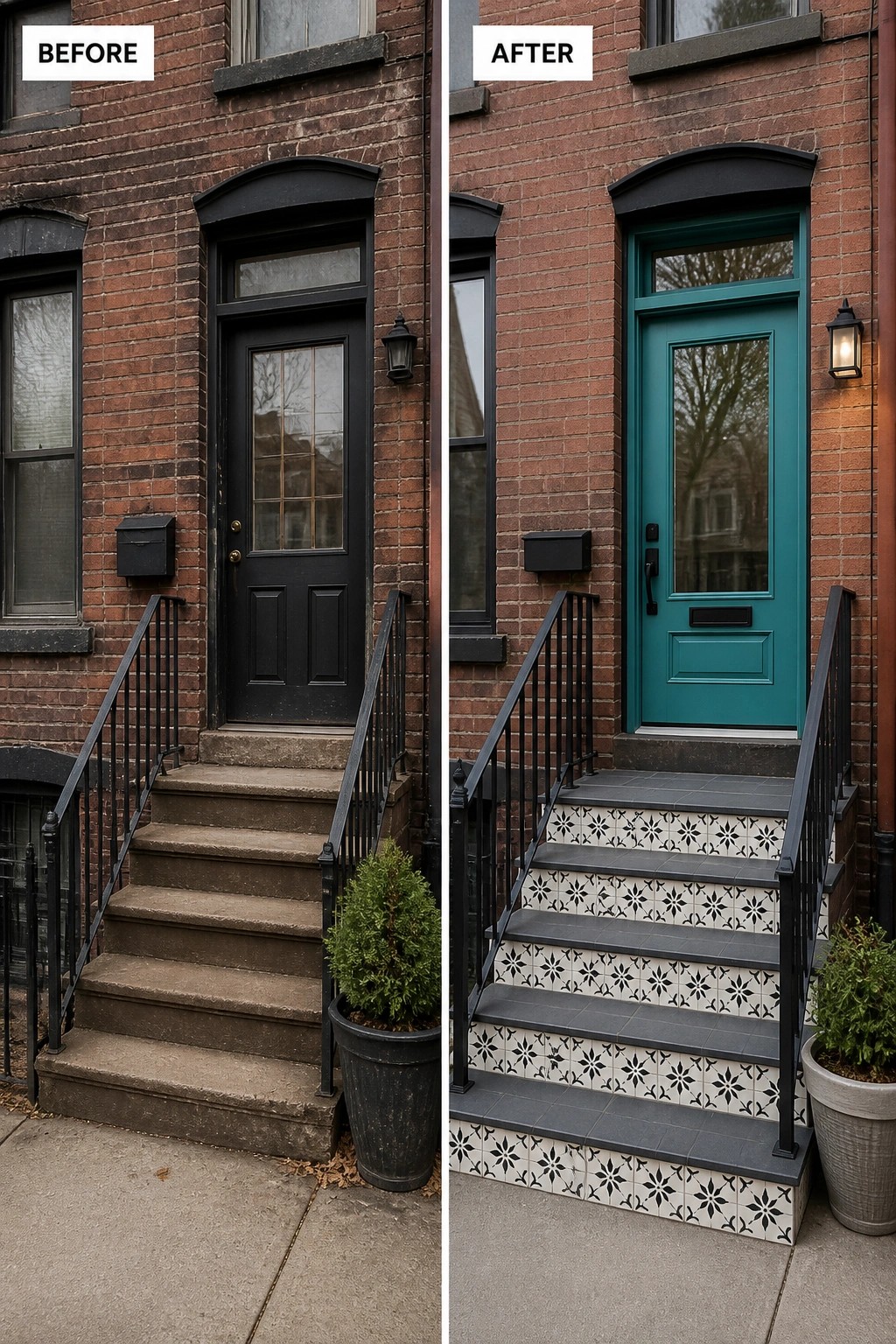
A tired stoop can be turned into a clear focal point simply by adding a bold door color and patterned stair risers. Swapping a plain black door and bare concrete steps for a painted door and tiled risers makes the entry feel deliberate and welcoming without a full renovation. Small change, big impact.
To copy this, pick one main element to change first — the door or the stairs — then match a second detail like hardware, light, or a planter to pull the look together. Use outdoor-grade paint and tiles, choose a slip-resistant finish for steps, and seal grout for weather protection. This approach works well on narrow stoops and older brick facades where you want personality without major construction.
Improve A Narrow Entry With Repairs And Planters
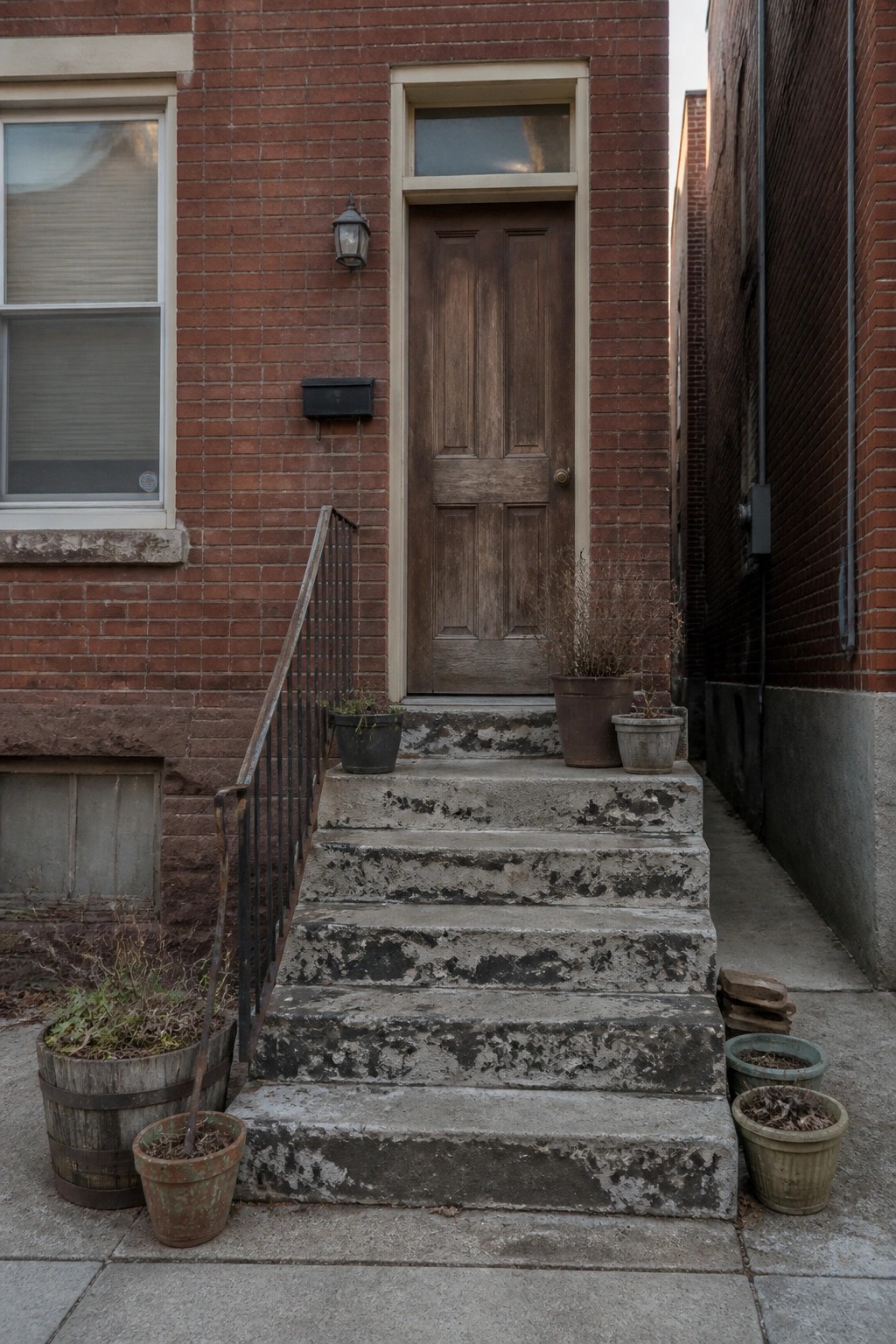
A narrow entry can feel forgotten even on a neat street. Focus on two things that add purpose: fix the worn steps and introduce a pair of scaled planters. When you patch or reseal the concrete and replace ragged pots with healthy, intentionally grouped plants, the porch instantly feels cared for and useful instead of just a set of stairs.
Start with a basic cleanup and the smallest repairs so your styling lasts. Choose two or three pots in the same family of materials and keep them to the sides so the path stays clear. Pick low‑maintenance evergreens or
Make A Small Entry Feel Welcoming
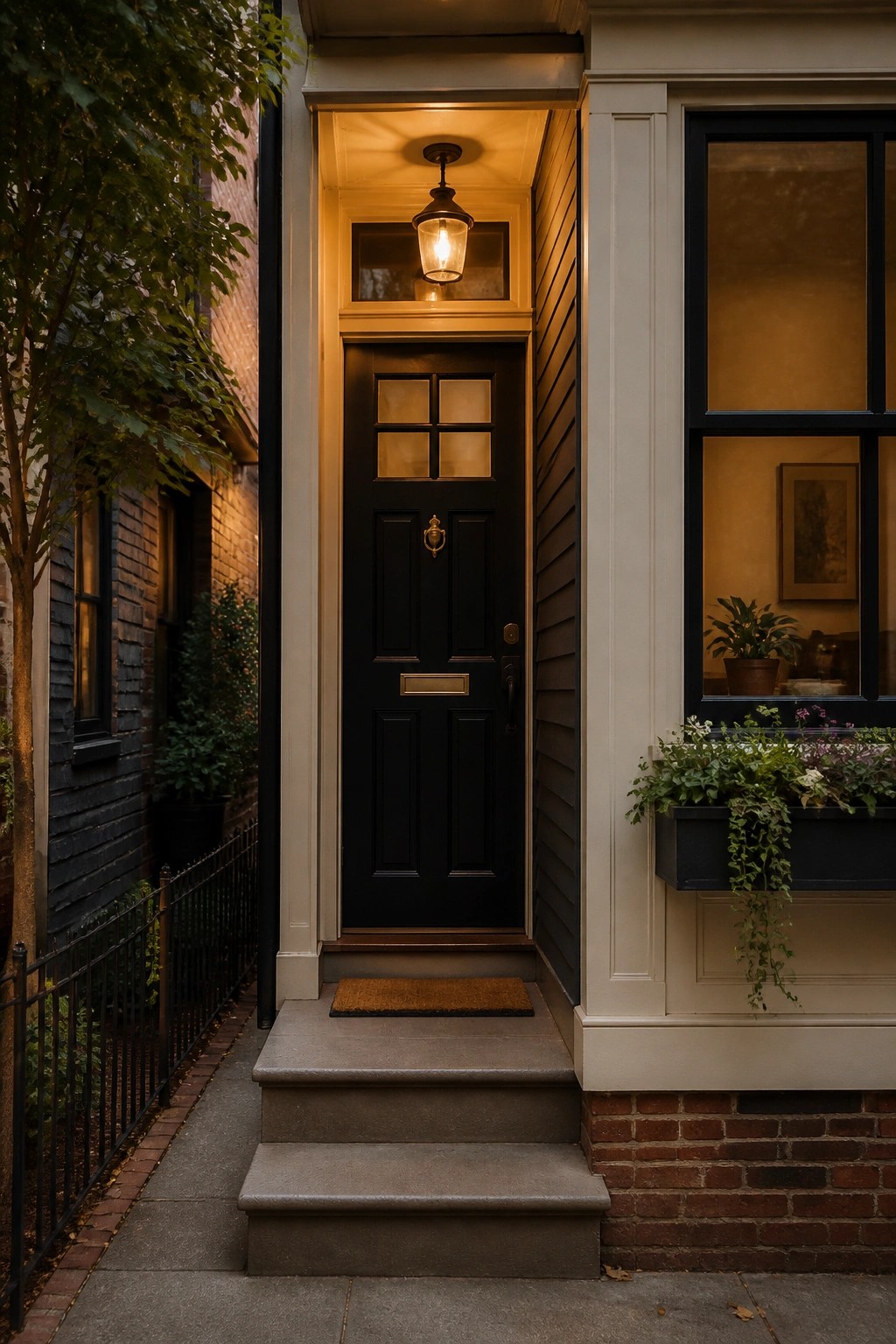
A small front stoop needs one clear purpose: signal arrival. Swapping a plain door for a darker, finished door, adding a single overhead lantern, and placing a neat planter box and doormat instantly reads as an intentional entry instead of an afterthought. That single focal update makes the porch feel cared for and usable without a full renovation.
Use the idea in compact spaces by choosing one or two changes that matter most. Paint or replace the door to give the house personality, fit a scaled pendant or wall lantern so the light lands where people stand, and add a low-maintenance planter and a weatherproof mat for texture and function. Keep hardware finishes matched, avoid overcrowding the step, and pick plants that tolerate porch conditions — simple, repeatable moves that make a small entry work better.
Finish A Plain Bathroom With Simple Vanity Styling

A cluttered vanity can make even a nice bathroom feel unfinished. Clearing countertops, consolidating products into matching pump bottles, and placing a small tray or single decorative item by the sink instantly makes the space read as intentional rather than accidental. In a quick before-and-after you can see how coordinated accessories and tidier surfaces sharpen the look without any major work.
Start by removing everything from the counter and only returning daily essentials. Choose one finish or color for dispensers and a small tray to corral items, and add a single soft touch like a folded hand towel or a small plant for scale. Keep the layout simple so the surface still feels usable—don’t overcrowd the tray—and swap out cheap plastic labels for uniform containers for a clean, lasting update. Small change, big payoff.
Clean Up The Yard Before Adding Defined Garden Beds
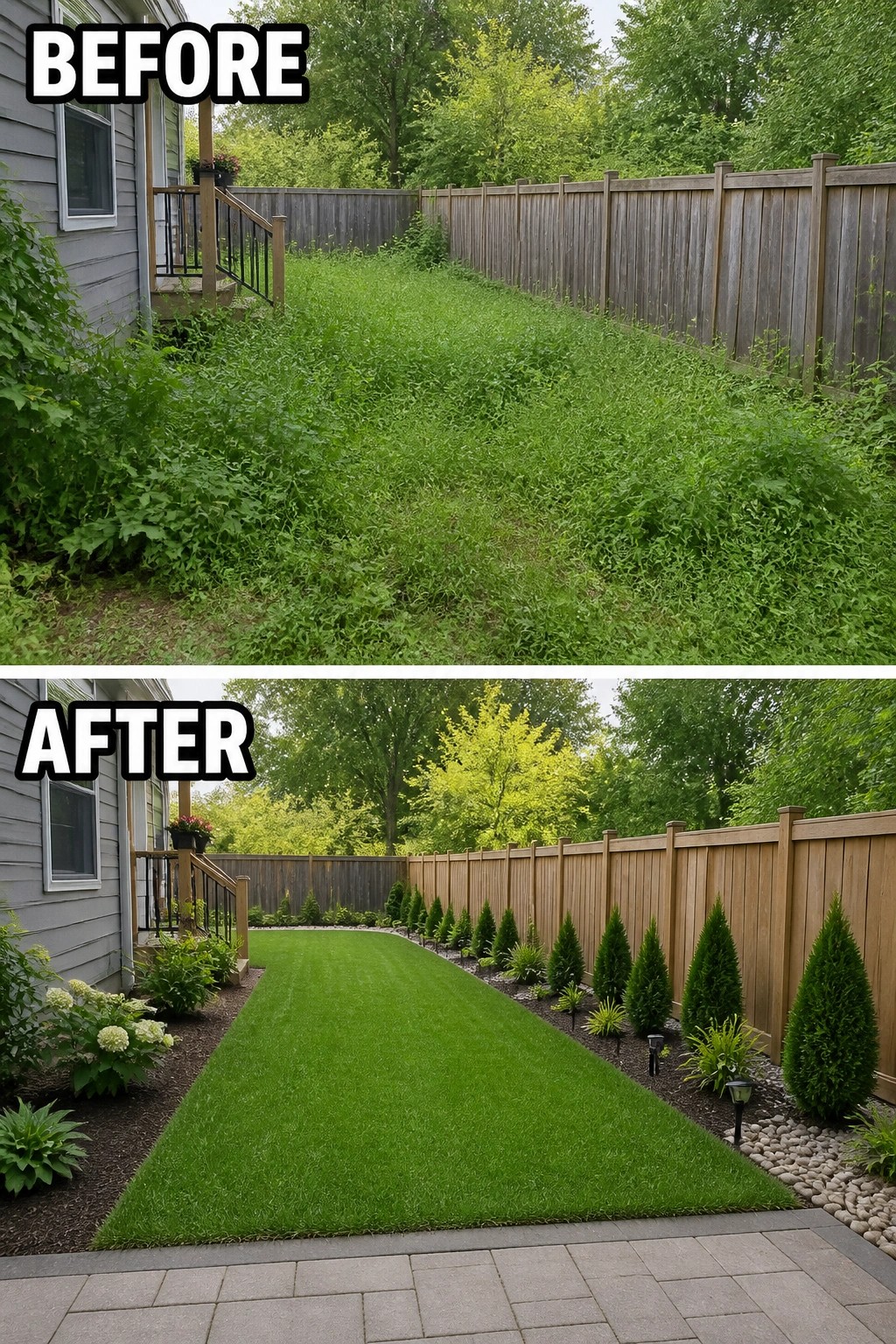
Clearing out overgrown weeds and reclaiming the lawn is the single best first move for a tired side yard. In this example the messy patch was cut back and a crisp strip of lawn was installed with mulched beds and a repeating line of small evergreen shrubs along the fence. That simple shift from chaos to clean gives the space purpose and makes everything else — plants, edging, lights — look intentional.
To copy this at home, start with cleanup: remove weeds, level the soil where needed, and decide on a clear edge between lawn and planting. Keep planting simple and repetitive so a narrow yard reads as one continuous room; choose low-maintenance shrubs or grasses and finish beds with mulch or river rock to reduce upkeep. Small solar lights and a modest path will make the space usable without crowding it.
Replace A Flimsy Awning With A Defined Portico
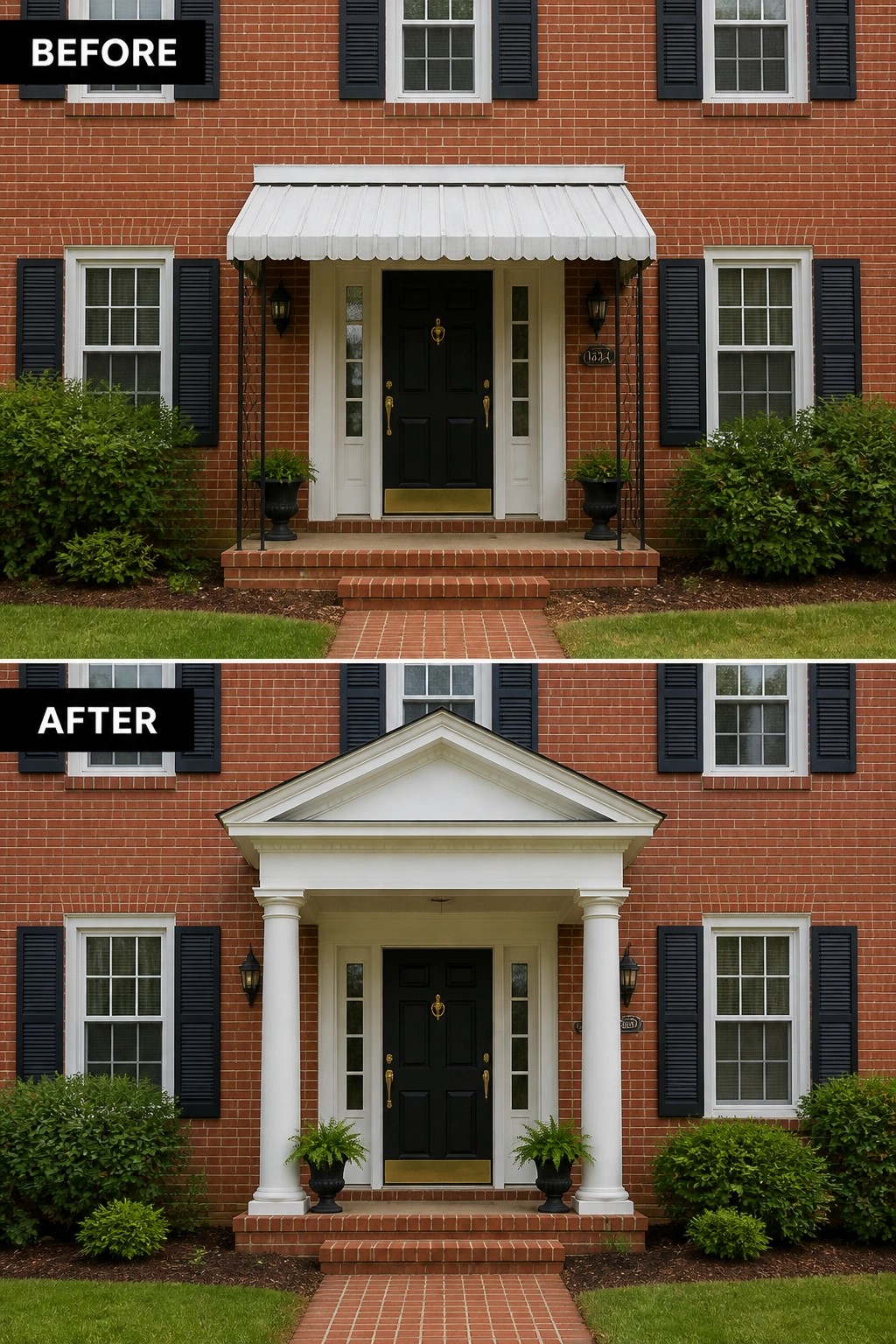
Replacing a flimsy metal awning with a proper portico is a straightforward way to give a plain entry real presence. In this makeover the old awning was swapped for a pediment and full columns, and matching planters frame the door—those few architectural moves turn an afterthought into a defined front entrance that reads as intentional rather than tacked-on.
This idea works best on traditional or symmetrical facades where proportion matters: choose column size to match the doorway and roofline, repeat the trim color for cohesion, and keep simple lighting and planters to reinforce the look. Start by measuring and sketching so the porch feels balanced with the house, and don’t overcrowd a narrow stoop—simple, but effective.
Define The Entry With Stepping Stones And Low Planting
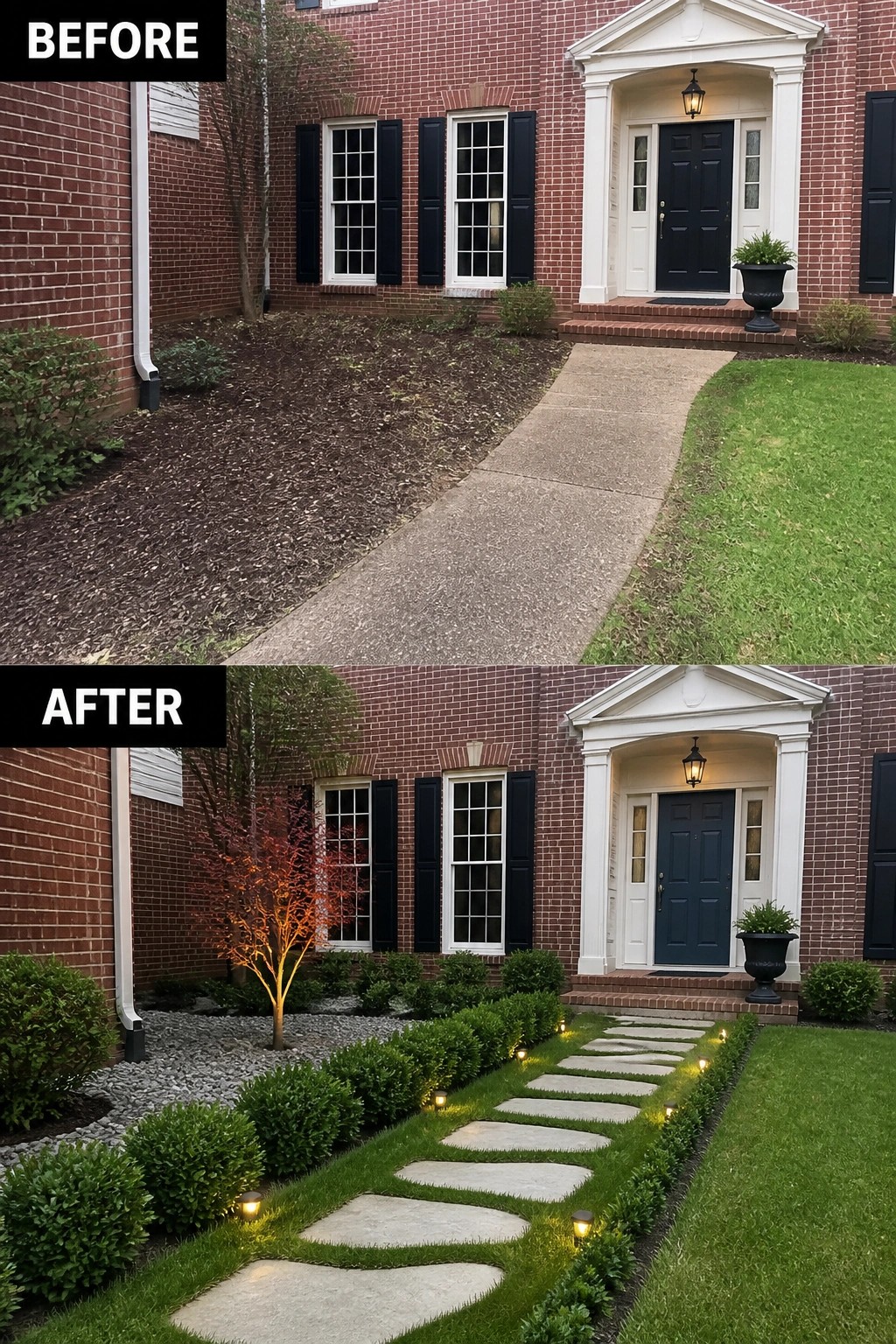
Swap a plain concrete approach and empty mulch bed for irregular stepping stones set in turf, a low clipped hedge, and a small gravel planting under a focal tree. That simple change gives the entry clear edges and a softer path to the door, and the addition of low lights guides visitors after dark.
This works best on suburban front yards where you can trade a narrow strip of lawn for a defined walk and planting border. Use stones sized for a comfortable stride, leave enough room to mow, choose compact evergreens like boxwood for a neat edge, and add small landscape lights for safety and rhythm. Start with clearing out the old bed so you can see exactly how much space you have — then keep it simple.
Warm Up A Brick Row House Entry With Wood Details
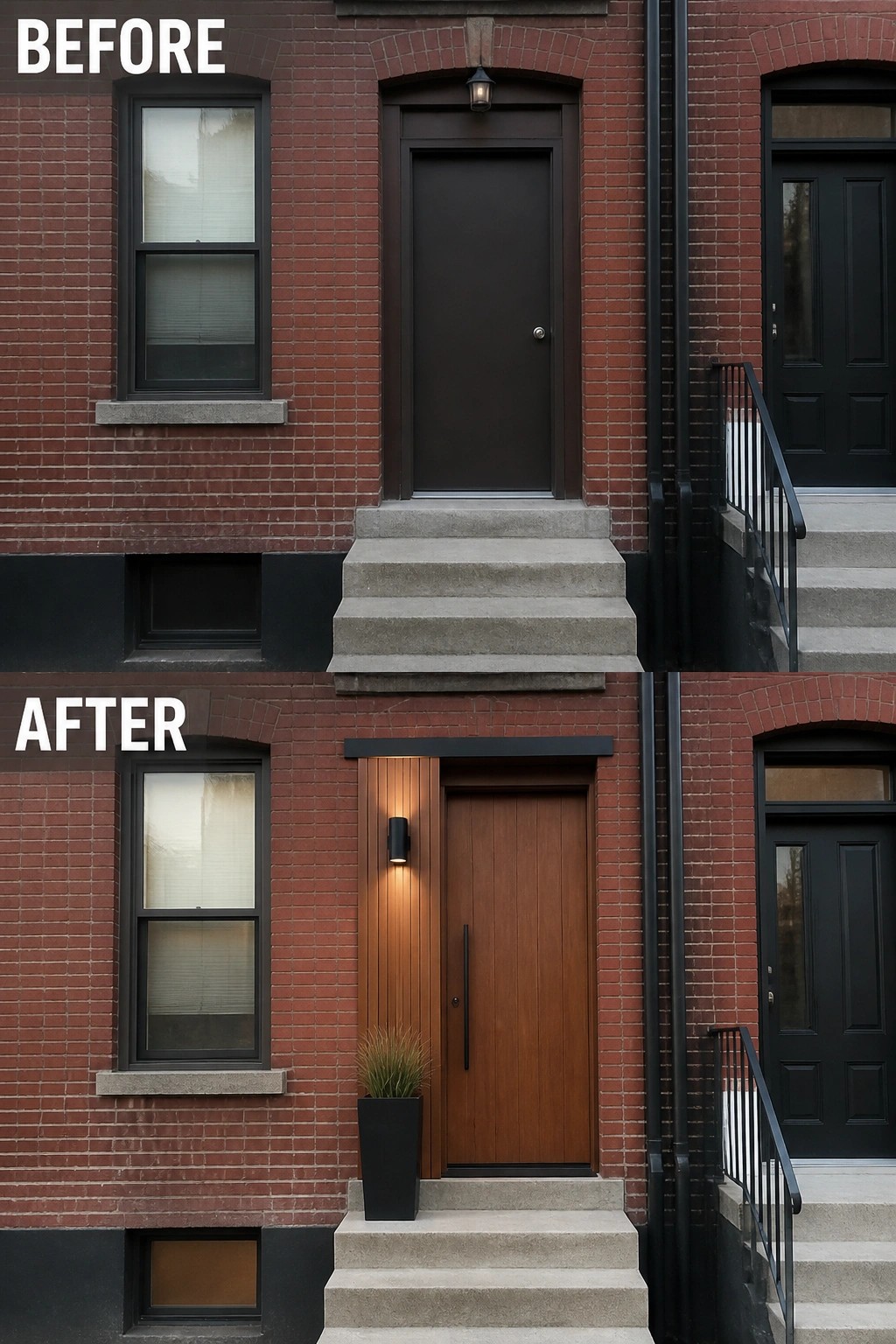
A plain entry can feel anonymous on an otherwise handsome brick row house. Swapping the flat, dark door for a full-height wood door and a narrow vertical cladding strip, then adding a simple wall sconce and a single tall planter, instantly defines the doorway and gives the facade a warmer, richer tone without major construction.
To copy this, pick one bold material or feature and commit to it—think a tall wood door or vertical siding panel that reads from the sidewalk. Keep lighting and accessories minimal but purposeful: one well-placed sconce, a slim handle, and one planter to anchor the steps. Pay attention to scale so the new elements don’t crowd the entry and make sure finishes stand up to weather.
Frequently Asked Questions
Q: What’s the quickest, most affordable porch update that still looks high-impact?
A: Repaint the front door in a confident color and swap the hardware for a fresh set. That one change instantly modernizes the entry and makes the brick feel intentional. Finish with a clean doormat and one pair of potted plants if you want to boost curb appeal.
Q: Can I paint brick without ruining it?
A: Yes, if you use a breathable masonry paint and prep the surface by cleaning and repairing any loose mortar. Breathable paint lets moisture escape so the brick stays healthy. If the brick is very old or crumbling, get a pro to inspect it first.
Q: How do I make a tiny porch feel more welcoming without adding square footage?
A: Keep furnishings scaled down and choose one focal piece, like a small bench or a single comfortable chair. That creates a usable spot without clutter, and a rug or runner pulls everything together visually. Good lighting makes the space feel larger after dark.
Q: Will adding a covered entry mean a lot of red tape and expense?
A: You’ll probably need a permit for any new roofline or load-bearing change, so check your local building office early. Talking to a contractor before you sketch ideas saves surprises and helps you budget for structural ties and flashing.